
Another day, another twist in Donald Trump’s foreign‑policy saga.
The weekend focused on conflict, with Trump insisting Iran had not yet “paid a big enough price.” Tuesday brought Project Freedom, promoted as a sweeping “humanitarian gesture” to free trapped vessels and their crews from the Gulf, yet also intended to undermine Iran’s grip on the Strait of Hormuz.
By the early hours of Wednesday the tone shifted back to peace. The president declared: “Great Progress has been made toward a Complete and Final Agreement,” announcing that Project Freedom would be paused to let negotiations proceed.
The three successive moves share a common thread: each grapples with the same hard realities. Iran’s regime is unlikely to collapse or relinquish its right to enrich uranium, no matter how many strikes are launched; Tehran has demonstrated its ability to shut the Strait of Hormuz; and a total Gulf blockade harms both the U.S. economy and Iran itself.
These facts form the sides of a steel box in which the Trump administration, largely through its own choices, finds itself trapped. The rapid policy swings of recent days reveal him flailing inside that enclosure, bouncing off the walls and seeking an exit that avoids humiliation or an endless war.
It is still premature to judge whether Trump has discovered a way out. His accompanying warning of bombardment “at a much higher level and intensity” if Iran rejects the initial terms betrays his anxiety that the plan may fail.
Details of the proposal clarified over Wednesday. The Axios news site, followed by Reuters, reported that the United States, Iran and their Pakistani mediators were nearing a one‑page “memorandum of understanding” to end hostilities and launch a 30‑day negotiation window on Iran’s nuclear programme, U.S. sanctions and Tehran’s frozen assets. Both sides would lift their parallel blockades of the Strait of Hormuz during the month of talks.
Trump’s announcement drove oil prices down and lifted stock markets, echoing the upbeat messaging he often employs. Yet the situation remained fragile.
Iran’s Islamic Revolutionary Guard Corps said reopening the Strait of Hormuz could be feasible, but gave no clear endorsement of the reported proposal. Tehran insists the blockade must end before any further discussion.
The foreign ministry stated the proposal is under review, while Ebrahim Rezaei, spokesperson for the Iranian parliament’s national security and foreign policy commission, dismissed it as an “American wishlist, not a reality.”
Speculation abounds over whether Iran’s various power centers can unite behind a common stance for serious talks. This proposal could put that conjecture to the test.
Even if the parties reach the negotiating table, thirty days is a brief span to bridge deep divides.
Read next
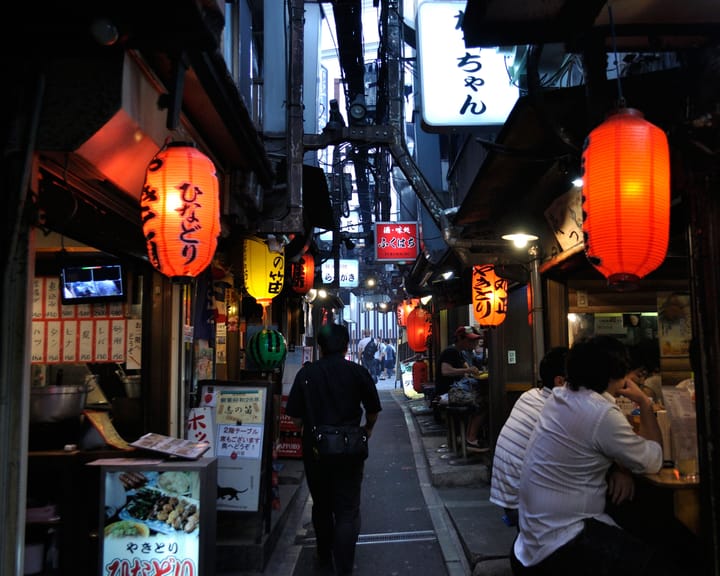
Tokyo tourist hotspot outlaws short-term rentals amid complaint surge
Shinjuku Ward, Tokyo, has moved to ban short-term rental accommodations in residential areas and near schools and important cultural sites, following a slew of complaints about visitor behaviour. The decision, to be enacted through a local ordinance, marks the latest sign that Japan’s patience with mass tourism is
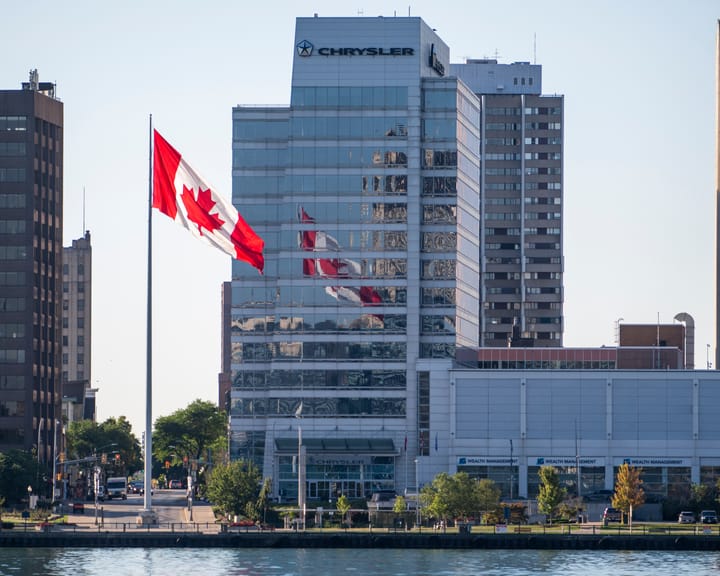
Canada implements retaliatory US tariffs as trade dispute intensifies
Canada’s retaliatory tariffs on about $20 billion worth of American imports took effect at 12.01am on Tuesday, ranging from 15% to 50% and applying to steel, dairy, appliances, agricultural equipment, pulp and paper, and electronics. The measures, a response to the United States’ 50% tariff on $20 billion

Prosecutor general resigns amid political turmoil in Kyiv during Ukraine war
Ukraine’s prosecutor general Ruslan Kravchenko resigned amid corruption accusations after anti-graft officers searched his offices at the weekend. He called the allegations “completely unsubstantiated” and denied wrongdoing. The National Anti-Corruption Bureau (NABu) and Specialised Anti-Corruption Prosecutor’s Office (Sapo) announced Saturday they uncovered a money-laundering