
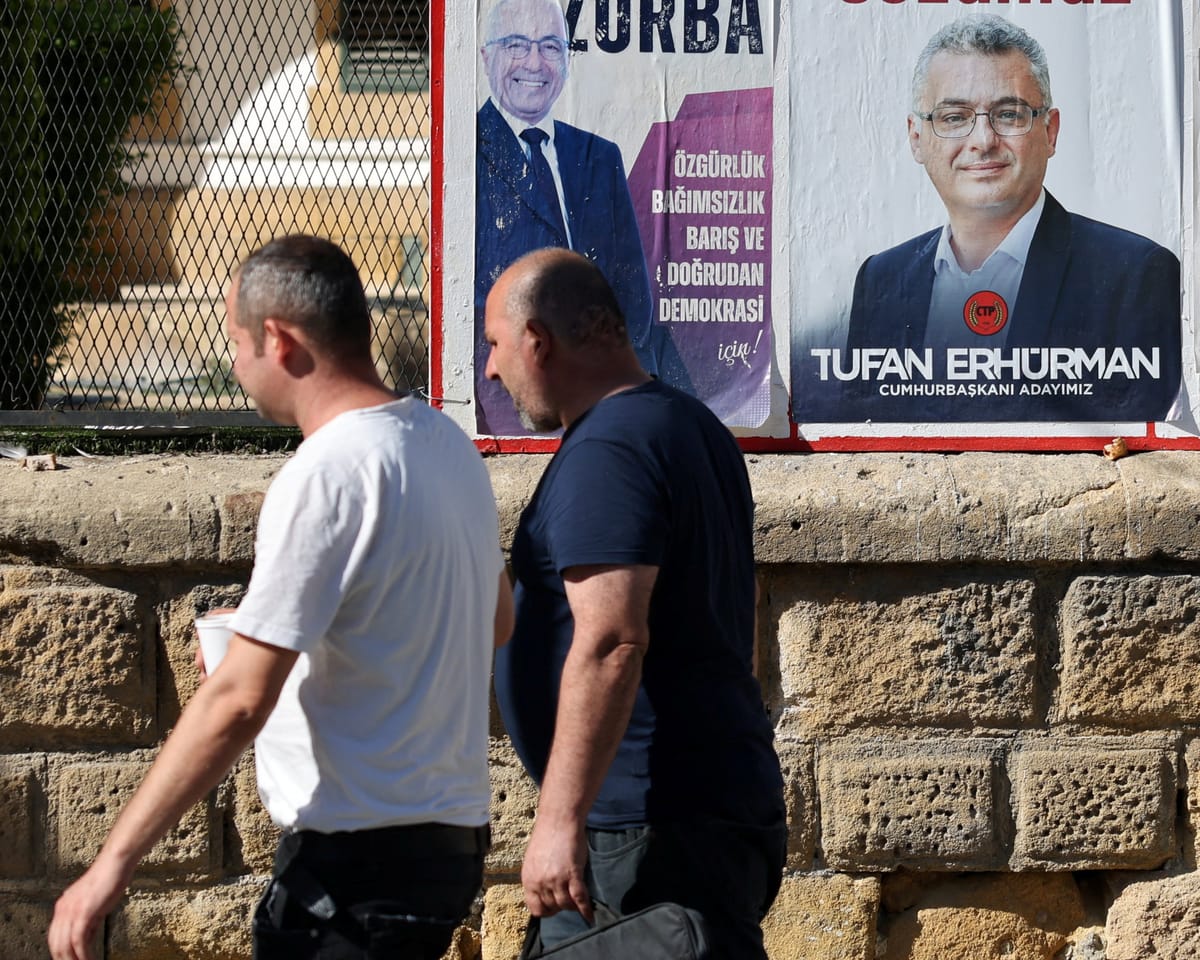
Voters in Turkish-administered northern Cyprus have participated in a presidential election considered crucial for the potential revival of peace talks on the divided island.
The international community closely monitored the vote, in which the 218,000 eligible Turkish Cypriots chose between the nationalist incumbent, Ersin Tatar, who favors a two-state solution to the Cyprus issue, and the leftist candidate, Tufan Erhürman, who supports resuming UN-mediated negotiations.
Tatar’s stance leans toward deeper ties with Turkey, the sole nation recognizing the self-declared state, while Erhürman’s platform rekindles hopes of a bi-zonal, bi-communal federation uniting Greek and Turkish Cypriots.
“This is a decisive election,” former European parliamentarian Niyazi Kizilyürek told CuriosityNews on Sunday.
Though seven candidates competed, observers predicted only Tatar or Erhürman, a 55-year-old academic, could secure the 50% needed to win outright. Should no candidate achieve a majority, a runoff will take place the following Sunday.
Surveys suggested a tight race between the two frontrunners. Votes will be tallied at 777 polling stations across the northern region, with results anticipated after 8 p.m. local time.
Cyprus has been divided since 1974, when a Greece-backed coup led Turkey to intervene and occupy the northern part of the island. The internationally recognized south is predominantly Greek Cypriot, while the north is administered by Turkish Cypriots.
An estimated 45,000 Turkish troops remain stationed there. In 1983, the region declared independence unilaterally, but without resolution, decades of global isolation followed.
On the eve of the election, Tatar, 65, consistently supported by Ankara during his tenure, argued that a federal solution was “a trap” aimed at undermining the Turkish Republic of Northern Cyprus and expelling Turkey from the island while asserting dominance in the eastern Mediterranean.
UN-led talks to reunify Cyprus have stalled since collapsing eight years ago in Crans-Montana, Switzerland—the longest pause in peace efforts.
In the UN-monitored buffer zone dividing Nicosia, Sami Özuslu, a lawmaker from Erhürman’s Republican Turkish Party, called the election pivotal.
“We can’t afford to waste another five years,” he said.
Cyprus entered the European Union in 2004, but without a settlement, membership privileges apply only to the south.
Despite political tensions, interactions between the two communities occur frequently, with many Turkish Cypriots crossing checkpoints daily.
Read next
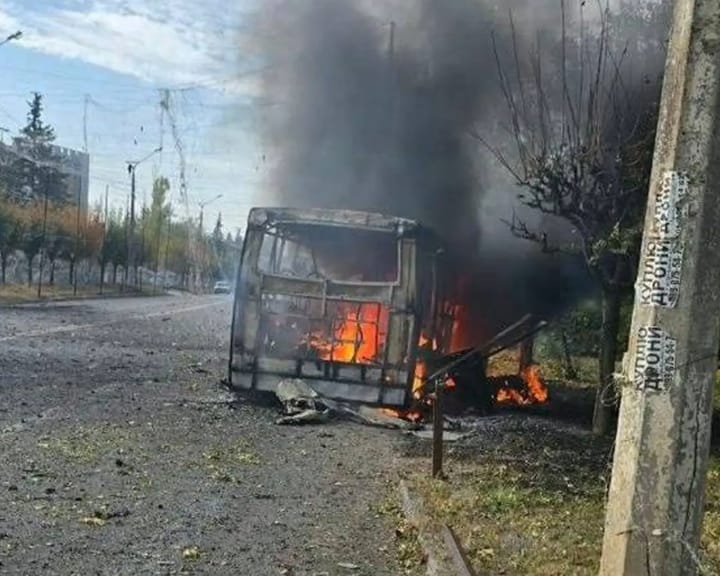
Russian Assault on Buses Near Ukraine Border Results in 30 Deaths
Thirty people have been killed and eighteen injured following an attack by Russia on two passenger buses in Kramatorsk, near the frontline in eastern Ukraine, according to local authorities.
The Donetsk regional prosecutor's office reported that the death toll from the morning attack on the buses had reached
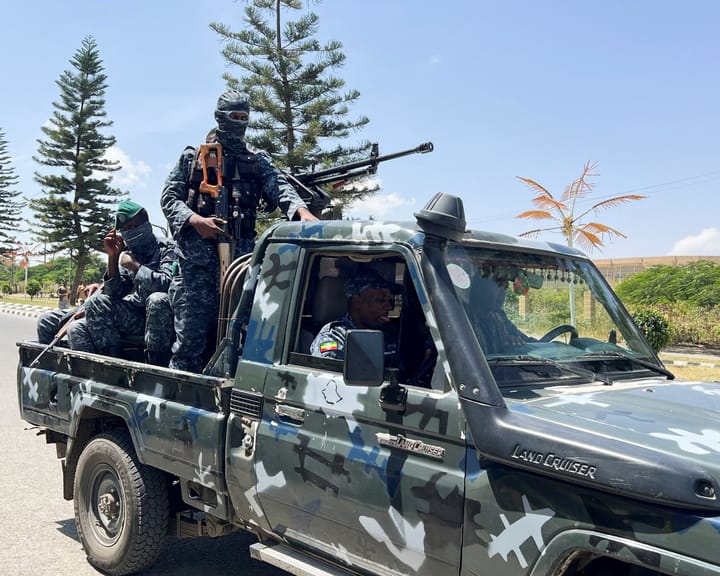
Ethiopia Conducts Drone Strike on Eritrean Forces in Tigray Region
Eritrean forces reportedly crossed into Ethiopia's Tigray region and faced drone attacks from Ethiopian government forces, raising concerns about the potential for a broader regional conflict between the two neighboring countries.
Military vehicles transporting soldiers crossed the southern border of Eritrea into Tigray on Wednesday, reaching Adigrat, approximately

Israel Advances Film Resembling NAZA Documentary
The Israeli government is promoting an online film project designed to counter the findings of the award-winning documentary NAZA, which details Israel’s mass killings of civilians in Gaza. NAZA, directed by Oscar-winning filmmakers Yuval Abraham and Rachel Szor, is currently in cinemas and will be shown in