
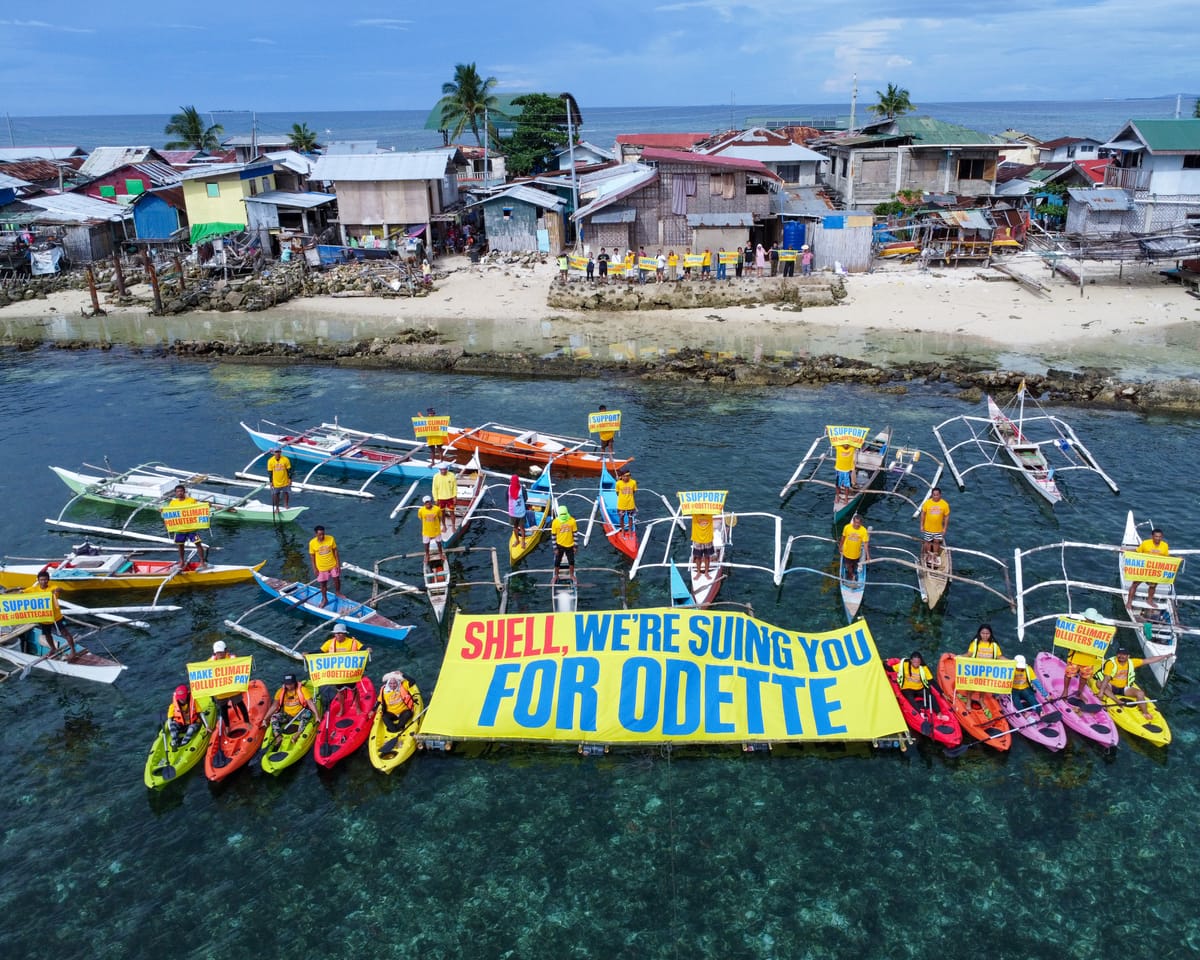
Trixy Elle still cries when recalling how she and her family struggled to survive as Typhoon Rai battered the Philippines just before Christmas four years ago. Within hours, relentless rain and surging floodwaters swallowed their home on Batasan Island in Tubigon, Bohol province.
With their arms linked, Elle, her elderly parents, brother, husband, and two young children swam against the rising waters in the darkness, hoping to make it out alive.
That was only the start of their struggle. "For days, we ate whatever we could find, including dead chickens and pigs. We lost everything—not even a spare set of clothes was left," the 34-year-old said. "I would go to the sea and cry alone so my family wouldn’t see my pain."
Rai, locally named Super Typhoon Odette, was the most powerful storm to strike the Philippines in 2021, claiming over 400 lives, displacing nearly 3.2 million people, and destroying more than a million homes. It devastated communities in Visayas and Mindanao, flattening vast farmlands and disrupting healthcare amid a Covid-19 surge.
For years, Elle felt helpless as the storm upended her family’s life. Now, she is seeking justice.
Alongside 66 other survivors from Philippine island communities, she is taking legal action against the fossil fuel company Shell in UK courts. The lawsuit demands financial redress for the losses they suffered due to Odette. This marks an unprecedented case globally, as it directly ties a polluting corporation to deaths and injuries already experienced in the global south. Previous climate litigation has mostly focused on potential future risks.
On Wednesday, lawyers for the survivors formally notified Shell, headquartered in London, with a letter outlining their claims and requesting a response. If no resolution is reached, the group will file a case in the UK high court by December.
The lawsuit contends that Shell’s operations have fuelled human-induced climate change, worsening the typhoon’s effects. Using Philippine legal principles, it argues that Shell violated the constitutional right to a healthy environment by failing to curb emissions, misleading the public on climate science, and ignoring foreseeable harm. The case also seeks measures to prevent further rights violations.
Documents uncovered from within Shell indicate the company was aware of the severe consequences of fossil fuel use as early as six decades ago, yet expanded its operations and profited heavily.
"Their continued actions despite knowing the risks, along with actively deceiving the public, may constitute violations under Filipino law," said Greg Lascelles, a partner at Haus.
Read next
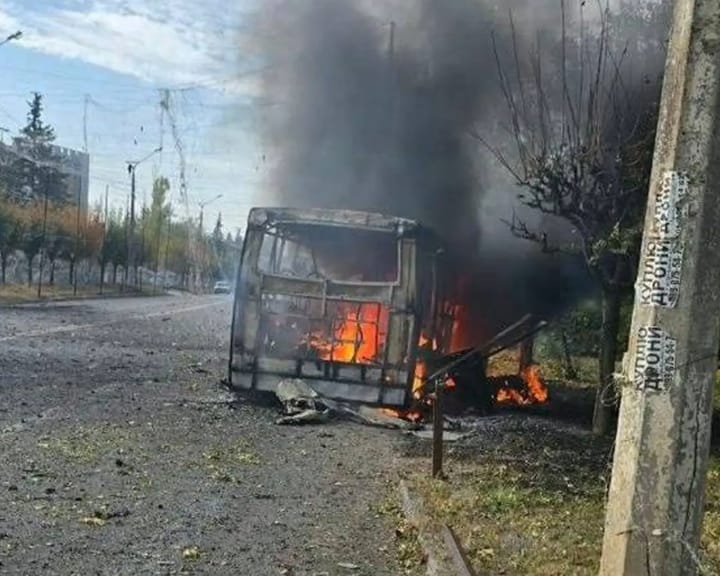
Russian Assault on Buses Near Ukraine Border Results in 30 Deaths
Thirty people have been killed and eighteen injured following an attack by Russia on two passenger buses in Kramatorsk, near the frontline in eastern Ukraine, according to local authorities.
The Donetsk regional prosecutor's office reported that the death toll from the morning attack on the buses had reached
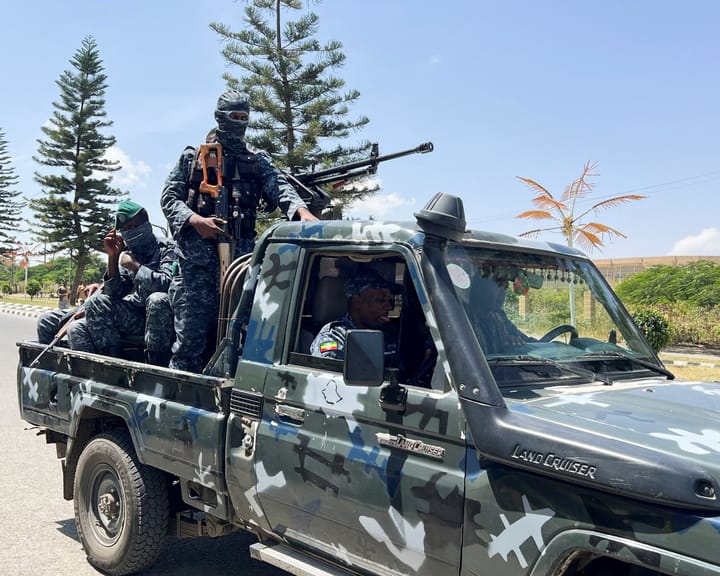
Ethiopia Conducts Drone Strike on Eritrean Forces in Tigray Region
Eritrean forces reportedly crossed into Ethiopia's Tigray region and faced drone attacks from Ethiopian government forces, raising concerns about the potential for a broader regional conflict between the two neighboring countries.
Military vehicles transporting soldiers crossed the southern border of Eritrea into Tigray on Wednesday, reaching Adigrat, approximately

Israel Advances Film Resembling NAZA Documentary
The Israeli government is promoting an online film project designed to counter the findings of the award-winning documentary NAZA, which details Israel’s mass killings of civilians in Gaza. NAZA, directed by Oscar-winning filmmakers Yuval Abraham and Rachel Szor, is currently in cinemas and will be shown in