
Taxi operators competing with Uber will not be required to pay a 20% VAT on earnings outside London after the UK’s highest court ruled that private-hire firms do not establish a direct contract with passengers.
The case originated from a 2021 supreme court decision classifying Uber drivers as workers, affecting Uber’s tax liabilities. Uber later sought a legal clarification that private-hire operators formed contracts with passengers, which the London high court affirmed in 2023.
This initial ruling would have imposed a 20% VAT on operators, but it was overturned last July after Delta Taxis and Veezu contested the decision. Uber then escalated the matter to the supreme court, which rejected its argument unanimously on Tuesday.
In another legal matter, Bolt, an Estonian ride-hailing and delivery service, recently prevailed against an HMRC appeal concerning its VAT obligations. The tax authority had argued for a 20% VAT on the full fare, but a court ruled that Bolt is only liable for VAT on its portion of earnings. HMRC has been permitted to challenge this decision in a higher court.
Read next
US officers worry Meta smart glasses could covertly record them
In January, the NYPD’s counterterrorism unit warned officers about a new security threat: Ray-Ban Meta glasses. A memo directed officers to “conduct thorough inspections of all eyewear permitted within inmate cells,” cautioning that recently arrested individuals could use the devices’ small cameras and microphones to record inside police
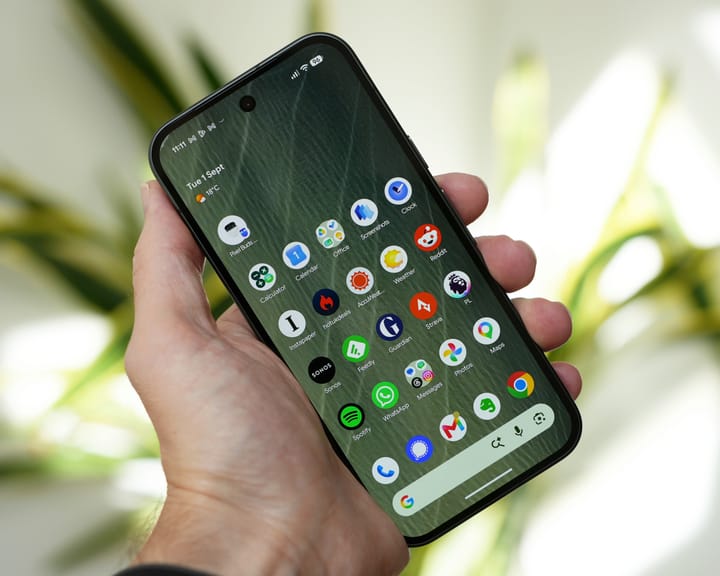
Google's Pixel 11 sets new standard for flagship phones, review finds
Google’s Pixel 11 continues to define what a base flagship phone should deliver, with leading cameras, extended software support and nearly all the features of its pricier siblings.
The standard Pixel 11 is priced at £879 (€999/$899/A$1,499), £80 higher than its previous version, reflecting ongoing

AI Expert Father of Three Shares Essential Insights for Parents on Artificial Intelligence
A father once promised his child they would write a story together called "The Day Nobody Went to Disneyland." The plot imagined a perfect day when the entire world avoided the park, expecting crowds, leaving it completely empty for a father and child to enjoy alone. Three decades