
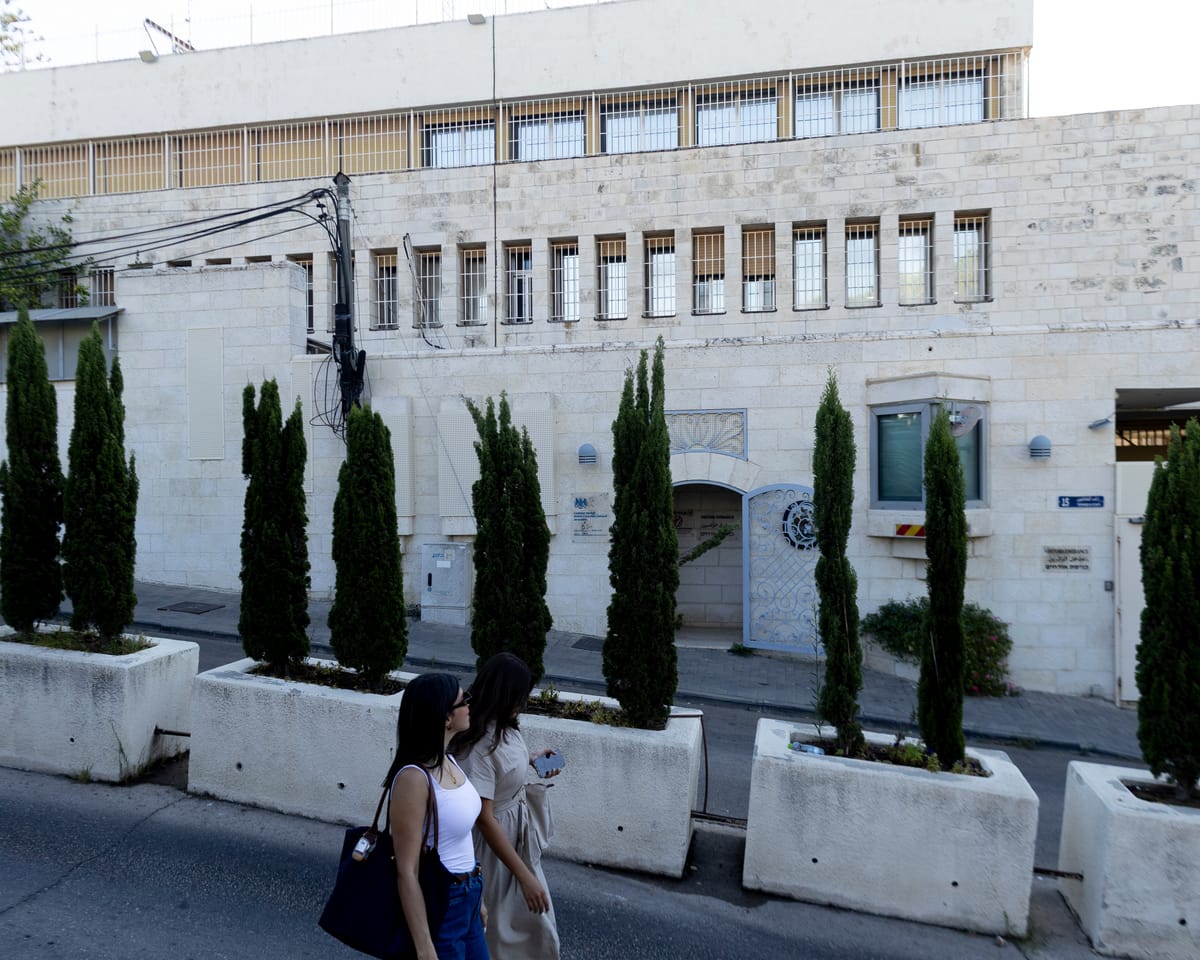
The UK consulate in East Jerusalem displayed few indications of its role in a geopolitical controversy this week. The high-walled building stood mostly empty, except for the occasional flutter of the Union Jack and a car exiting the compound.
The mission is set to close on Thursday after Israel ordered its shutdown in response to a UK ban on trade with settlements in the occupied West Bank and related sanctions. This closure marks a significant low in UK-Israeli relations, with reports suggesting the UK might expel 27 Israeli diplomats from London in retaliation.
Amjad Iraqi, a senior analyst with the International Crisis Group, warned that Palestinians would suffer from the consulate’s closure. The UK consulate in East Jerusalem, separate from the embassy in Tel Aviv, provides vital services to Palestinians in East Jerusalem, the West Bank, and Gaza.
Iraqi noted that Israel's response was primarily about hindering UK support for Palestinians rather than addressing the broader UK-Israeli relations. Israeli Foreign Minister Gideon Sa’ar reportedly viewed the move as low-cost, believing the consequences would mainly affect Palestinians.
Israel has previously restricted the diplomatic activities of the Netherlands, Spain, and Norway in the occupied West Bank.
In Sheikh Jarrah, the East Jerusalem neighborhood where the consulate is located, residents expressed resignation about the closure's impact. Abu Abdo, a 79-year-old former repairman, referenced the Balfour Declaration of 1917, which supported the establishment of a Jewish state in Palestine, as a foundational issue.
The consulate's history in East Jerusalem has been marked by political upheaval since moving to Sheikh Jarrah in 1967. Initially purchased by the UK in 1963 when East Jerusalem was under Jordanian control, the compound was intended as a liaison with the Jordanian-administered regions. However, by 1967, the Six-Day War had shifted control to Israel.
John Henry Lewen assumed his post as consul-general in a newly controlled East Jerusalem. The consulate held a unique position as the UK did not recognize Jerusalem as being under any single country's control. The UK foreign secretary in 1967 clarified that the consul-general in Jerusalem reported directly to the Foreign Office, not to the ambassadors in Tel Aviv or Amman.
Lewen's tenure was marked by political challenges following the Six-Day War and Israel's establishment. In 1969, a bomb damaged the consulate compound, though no one was hurt.
Years later, Palestinians presented grievances to the British consulate, with protests in 2017 marking the Balfour Declaration's centenary. Demonstrators placed flags in consulate windows with messages like "Balfour is a crime," while schoolgirls carried letters from Palestinian students asking Britain to apologize for the declaration.
This week, the neighborhood, home to diplomatic missions and international organizations, remained quiet. Residents expressed disappointment over the perceived lack of international support for Palestinians, noting a disparity between words and actions. Abu Abdo commented on the limited support beyond studies and rhetoric.
Read next
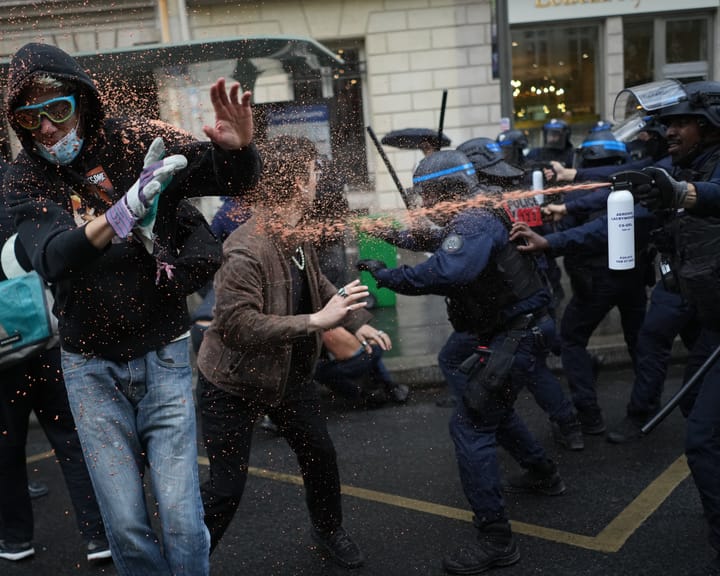
French Minister Refutes Police Brutality Claims Amid Ongoing Student Protests Across France – Europe Live
In recent developments, French Interior Minister Laurent Nuñez has refuted claims of excessive police force during the ongoing student protests in France. He emphasized that police action is only taken in response to violence or property damage. Addressing lawmakers, Nuñez described the protests as "unprecedented" due to the
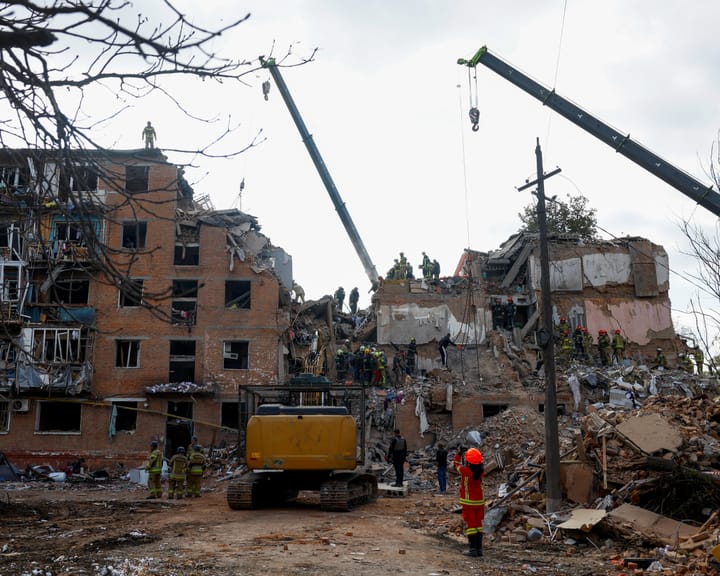
Ukraine Reports Russia Bombed Apartment Building Coinciding with Putin's Birthday
Volodymyr Zelenskyy has accused Russia's military of deliberately targeting civilians and bombing residential buildings as a grim gift for Vladimir Putin, who celebrates his 74th birthday on Wednesday.
Ukraine’s president described Russia’s overnight drone and missile strikes, which killed at least 24 people, as “despicable.” “The

Fears of 'another coup d'état' grow as Flávio Bolsonaro vows to 're-democratise' Brazil
Flávio Bolsonaro, the leading candidate for Brazil's presidency, has promised to "re-democratise" the nation, raising concerns about potential authoritarian governance should he win. Brazil transitioned to democracy in the 1980s after a harsh 21-year dictatorship, a period lauded by Flávio's father, former