
UK inflation remained steady at 3.8% last month, defying predictions of an increase. The news comes as Chancellor Rachel Reeves prepares for her upcoming budget in November.
The Office for National Statistics (ONS) reported that the Consumer Prices Index (CPI) held at the same level in September as in the previous two months. Analysts had anticipated a rise to 4%, but the impact of higher transport costs was balanced by lower food prices and a slowdown in price increases for entertainment, including live music events.
For the 12th consecutive month, CPI inflation stayed above the government’s 2% target.
The figures boosted expectations that the Bank of England may reduce interest rates earlier than expected. Following the data release, financial markets adjusted forecasts, shifting the anticipated first rate cut from March to February next year.
Food prices, which had been a growing concern amid climate-related pressures, fell by 0.2% compared with August—the first monthly drop since May of last year. Annual food inflation also eased to 4.5% from 5.1% in August, marking the first slowdown since March.
The ONS noted weaker price growth in the recreation and culture sector, covering activities such as theater and cinema visits. Prices in this category were unchanged from August, with live music ticket prices declining by 8.6%—a contrast to the 5.8% increase seen a year earlier.
These moderating trends offset higher transportation costs, particularly for fuel and air travel. Transport prices rose by 3.8% compared with last year, up from an annual increase of 2.4% in August.
Traditionally, taxes on alcohol and tobacco, along with rail fares, are adjusted based on September’s Retail Prices Index (RPI) inflation reading, which was reported at 4.5%. However, any decision on adjustments will not be finalized until the budget, and Reeves could opt for smaller increases as part of efforts to curb inflation.
Reeves stated, “These figures are not acceptable. For too long, our economy has been stagnant, leaving people working harder without seeing the benefits. This must change. The entire government is committed to assisting the Bank of England in reducing inflation.”
Last week, the Chancellor said she would introduce measures in her November budget to address rising living costs.
Earlier, the Bank of England highlighted the role of regulated prices—such as energy and transport fees—in pushing up household expenses. Reeves is expected to meet with cabinet ministers to discuss ways different departments can help contain inflation.
Read next
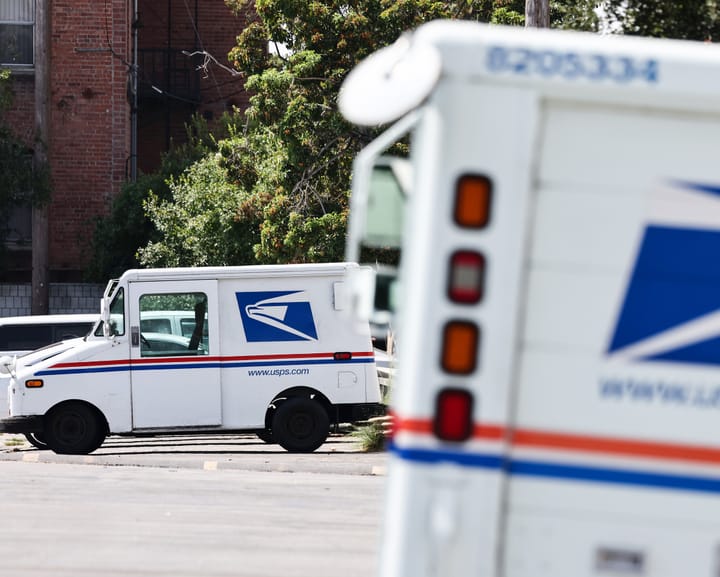
US Postal Service faces cash shortage by Feb 2027, agency chief warns
The United States Postal Service faces a cash shortfall within the next twelve months unless Congress removes the borrowing limit imposed on the agency, the postmaster general warned.
Speaking to the Associated Press, David Steiner said the service – which funds its operations through stamps and fees rather than tax revenue
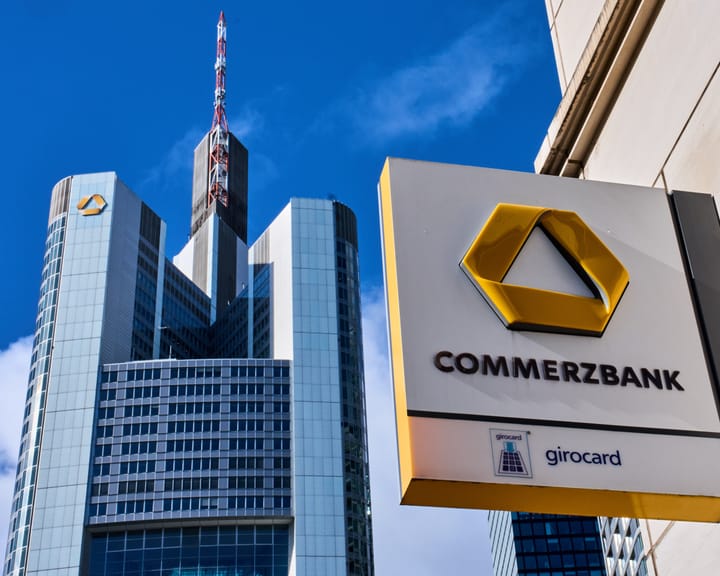
UniCredit launches aggressive bid for Commerzbank as European takeover war intensifies
Two major European banks have entered a €35 billion (£30 billion) takeover contest after Italy’s UniCredit intensified its long‑standing bid for German lender Commerzbank, despite firm resistance from the German government.
UniCredit initially acquired a 9 % stake in Commerzbank in September 2024 and has since increased its holding
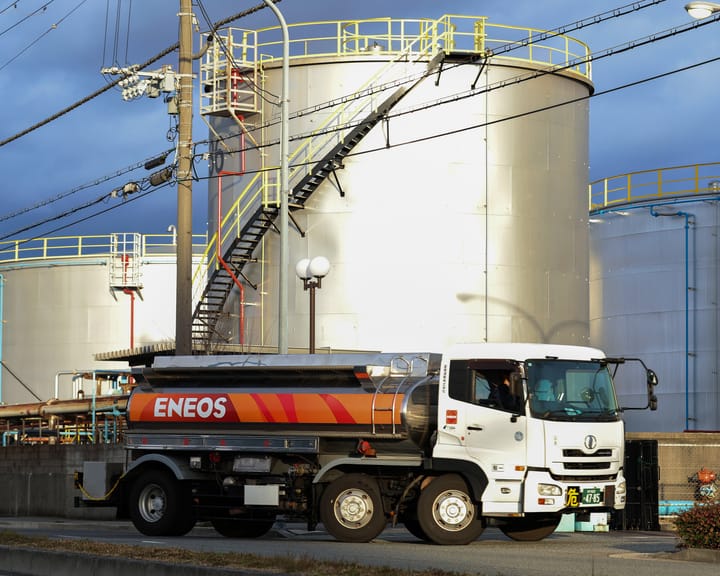
IEA weighs tapping additional oil reserves amid Iran conflict driving up prices
The international energy regulator is weighing another release of emergency crude reserves into the world market to temper climbing oil prices, after cautioning that market recovery will be slow following the ongoing strait of Hormuz crisis.
Fatih Birol, chief of the International Energy Agency, noted that member nations still hold