
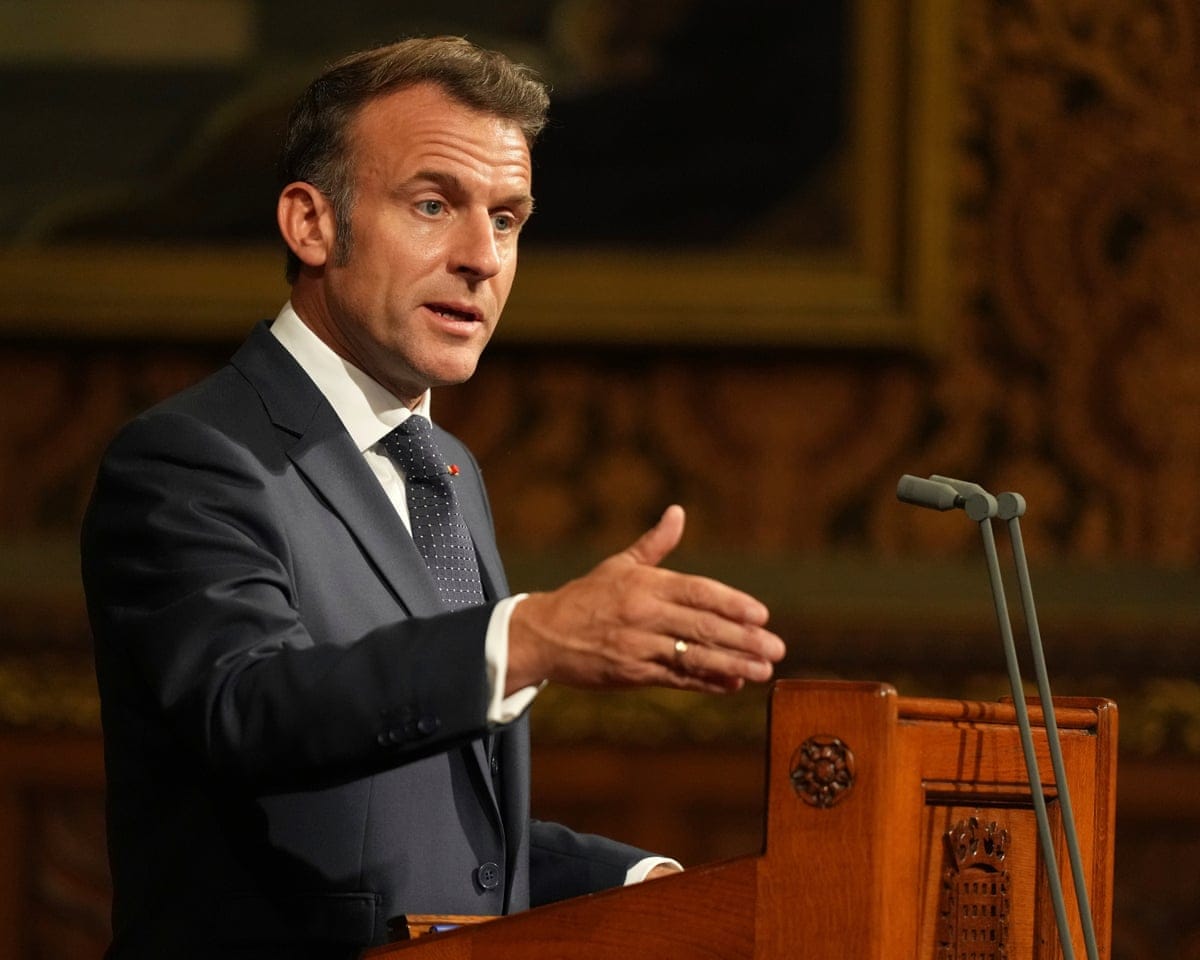
It wasn’t the grandest stage. When foreign dignitaries like the queen, the pope, Nelson Mandela, and Barack Obama were invited to speak before parliament, they were granted Westminster Hall. Yet for Emmanuel Macron’s visit—the first by a European leader since Brexit—the setting was the Royal Gallery. The UK’s stance has shifted considerably since Liz Truss once hesitated to label the French president as either ally or adversary.
That said, the Royal Gallery remains an impressive alternative. If, by some chance, Donald Trump were extended a similar invitation—though many are eager to avoid that prospect by scheduling his visit during a parliamentary break—he might even favor the space. The lavish decor would suit anyone with an appetite for grandeur.
The British have a knack for making visiting leaders feel at home—though perhaps Macron could have done without glancing too closely at the walls. To one side, a vast painting depicted Nelson’s demise at Trafalgar, while on the other, an equally imposing scene showed Wellington and Prussian field marshal Blücher ahead of the Battle of Waterloo. A less than subtle choice.
Well before the event began, the gallery was already half-filled. Previous gatherings in the same space had required staff to scramble for extra attendees when MPs and peers chose not to bother. Not so for Macron—his presence alone drew the crowd.
Among the early arrivals was Priti Patel, seated prominently near the front. The spirit of cooperation didn’t seem to have touched her yet; her thoughts evidently still lingered on other matters. Meanwhile, Kemi Badenoch and Ed Davey found themselves side by side, enduring a long stretch of forced conversation before abandoning politeness altogether in favor of silence. Badenoch soon turned elsewhere, striking up a discussion with Helen Whately.
Theresa May entered as she often does: alone. Content in her solitude, she has never been one for close political friendships, if any at all. Likely lost in reflection—none of it pleasant—she may have still been nursing the lingering unease from past Brexit dealings with the French.
Nigel Farage was notably absent. The leader of Reform UK had expressed outrage that Macron declined to meet with him—an odd stance, given Farage’s long history of disparaging France, its people, and its leader. Even so, nothing barred him from attending the speech—save, perhaps, his own pride. Also missing was James McMurdock, now charting an independent path after legal consultations led him to conclude that silence was the best defense regarding past controversies.
Read next
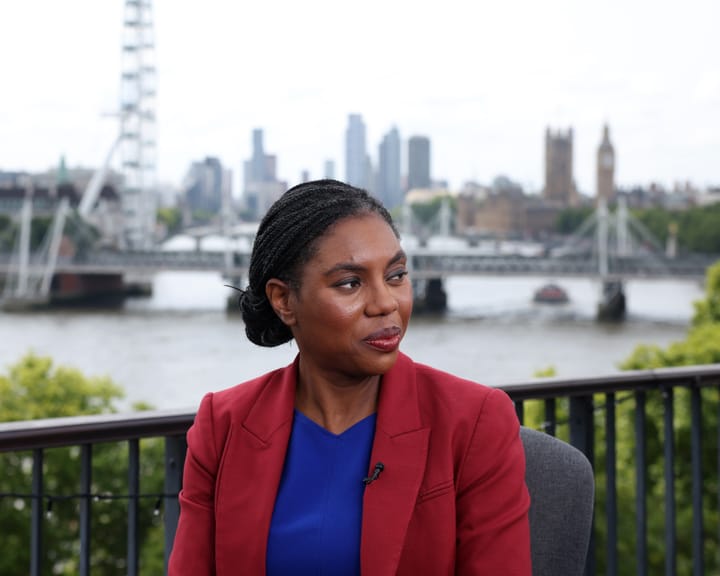
Badenoch returns to Conservative conference, markedly stronger than a year ago
A year ago, Tory MPs feared a fresh leadership revolt against Kemi Badenoch as Tories hit historic 14-16% support; November, after 12 months, was hushed: decisive challenge month. Yet, despite poor polls, “Keminisation” saw her impose style and authority.
More in Common’s Luke Tryl, director, said Badenoch holds
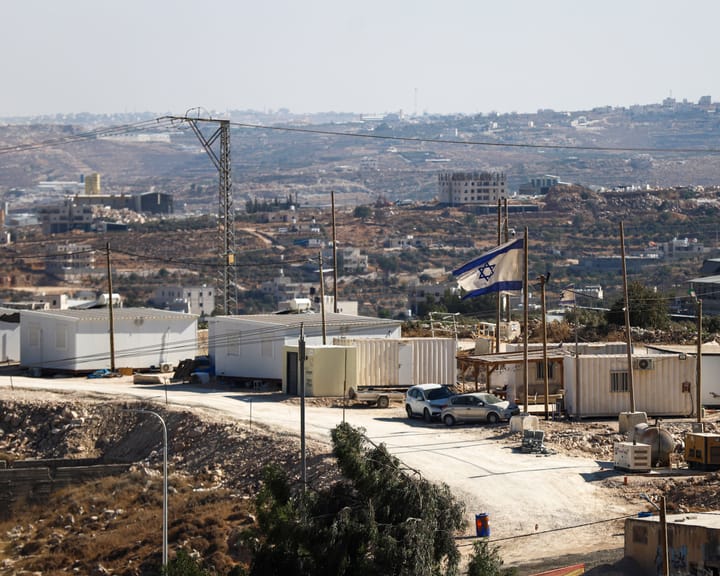
UK sanctions plan on illegal Israeli settlements faces criticism from US, Israel and British MPs
Today, with the agreement of Prime Minister Netanyahu, Israeli officials announced a series of countermeasures in response to new sanctions declared by the British foreign secretary of the Labour government, following a sequence of anti-Israel decisions by the same administration.
The accusations leveled today by the Labour foreign secretary,
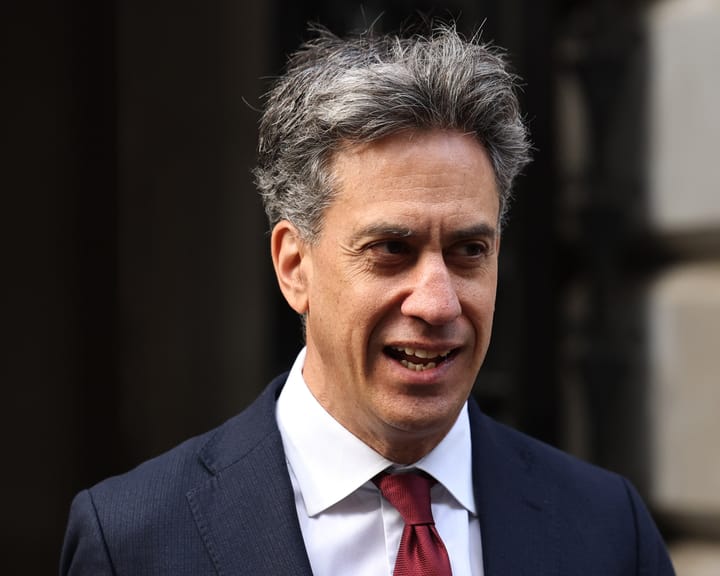
UK announces trade ban on Israeli settlements as tougher stance
Ed Miliband will announce a broad reset of the UK’s relations with Israel on Tuesday, pledging a more active stance in support of the Palestinian cause. In an intervention drawing fierce criticism from the US and Israel, the foreign secretary will impose a ban on trade in goods and