
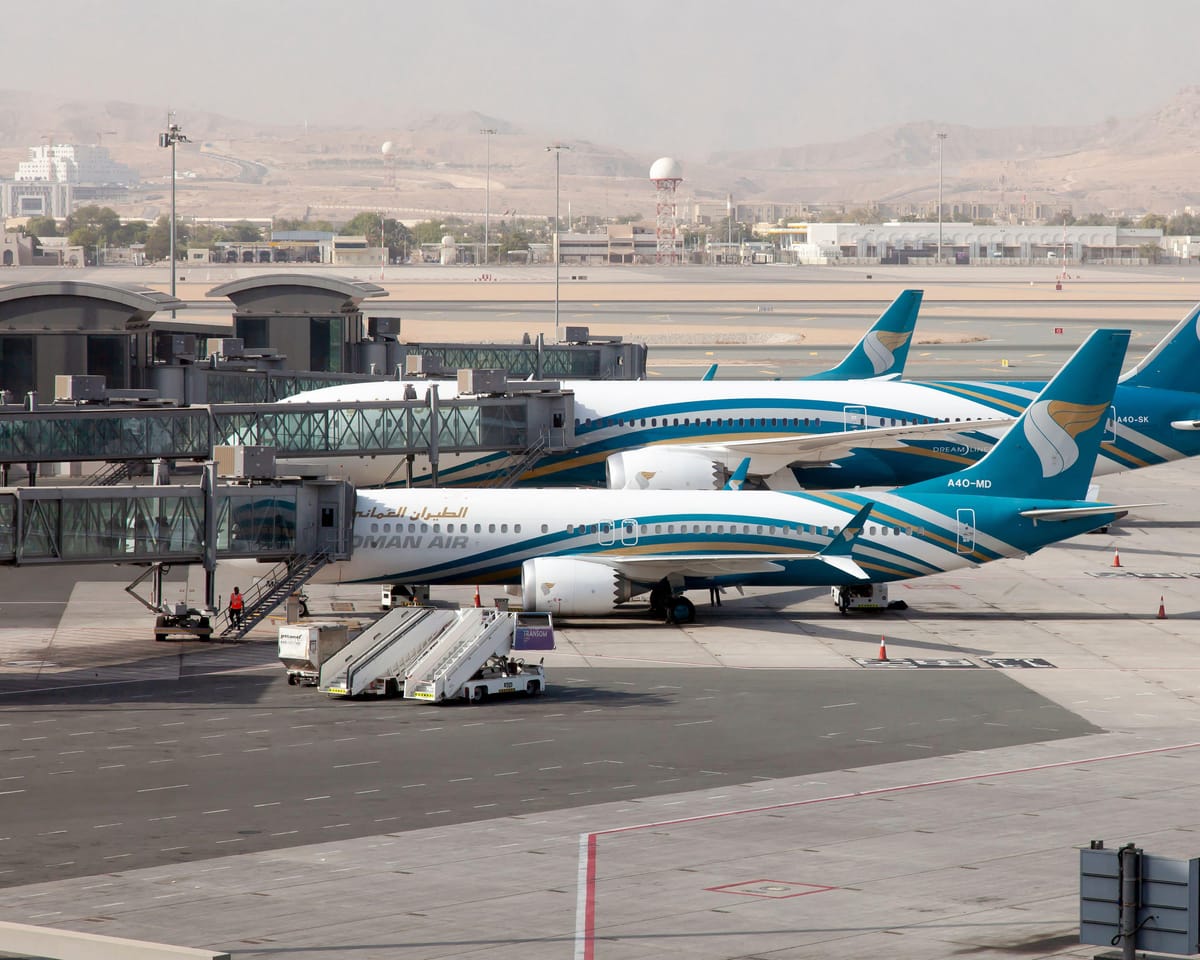
The inaugural charter flight carrying British citizens from the Middle East back to the United Kingdom has departed, with the prime minister describing the ongoing evacuation as one of the largest of its type.
Keir Starmer noted that the postponed aircraft from Oman, which had been slated to leave at 7 p.m. on Wednesday, lifted off moments before he spoke at a Downing Street press briefing.
The removal of British nationals occurs amid ongoing U.S. and Israeli attacks on Iran, while missiles and drones continue to fall on other nations in the region.
Over 2,000 individuals arrived in Britain on Wednesday aboard eight flights from the United Arab Emirates. An additional ten flights from the UAE to the UK are slated for Thursday.
Starmer said on Thursday: “I want to be very clear, this is a huge undertaking. It’s one of the biggest operations of its kind, many times bigger than the evacuation from Afghanistan. It’s not going to happen overnight, but we will not stop until our people are safe.”
Nevertheless, the government has faced mounting criticism from MPs and from British residents in the Middle East, who have questioned the speed and scale of the evacuation.
A passenger on the charter from Muscat, named Mark, described Wednesday night’s situation as a “complete shambles,” citing “numerous problems with check‑in” and “no communication from the aircraft or crew” while stranded on a transfer bus.
In the Commons, the Conservative leader asked the government how long it would take to secure the safety of British nationals, while Labour backbencher and foreign affairs committee chair Emily Thornberry relayed the worries of those stuck at Muscat airport who said they struggled to locate British consular officials.
British Airways announced it will operate a fourth daily service from Muscat to London Heathrow—a route it does not normally fly—departing at 10:30 p.m. on Saturday.
More than 140,000 Britons have registered their presence in the Middle East with the Foreign Office, a minister in the department, Hamish Falconer, told parliament. Returning UK nationals is “an enormous exercise and ministers must be honest about all their actions,” said the shadow foreign secretary, Priti Patel.
Falconer, a former diplomat with frontline experience in previous evacuations, called the situation “a consular challenge on a scale not seen since Covid,” adding that there are “no instant solutions.”
British citizens in Oman will be contacted as soon as further government‑organised flights from Muscat become available, he said, noting that commercial services are likely to be the quickest way back to the UK.
Around 138,000 British nationals in the Gulf—including more than 100,000 in the United Arab Emirates—have registered their presence.
Read next
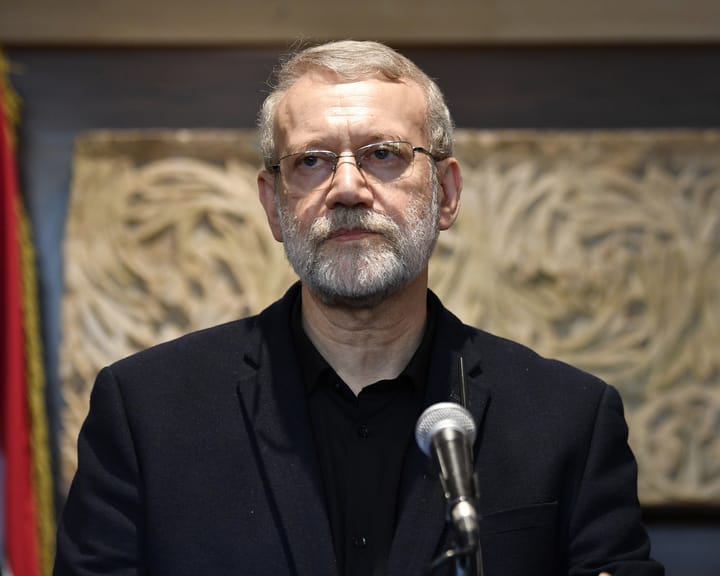
Live Middle East crisis: Iran promises retaliation for security chief's death; Israel hints at imminent strike on Beirut
Iran’s armed forces pledged retaliation for the death of security chief Ali Larijani in an Israeli strike, with the army commander warning of a “decisive and regrettable” response.
Tehran also verified that Basij commander Gholamreza Soleimani was killed, after Israel had earlier asserted that its forces carried out the
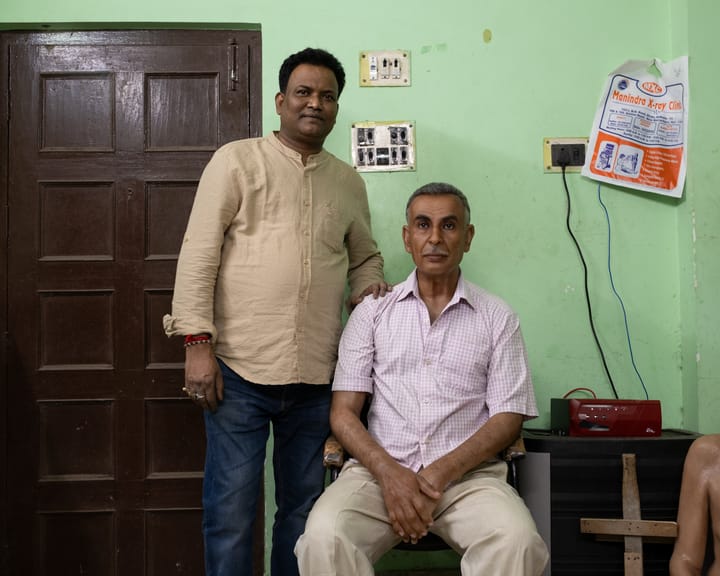
‘Almost human’: life-size replicas of the dead aid broken hearts in India
In northern Kolkata, close to Dum Dum Junction, Subimal Das and a team of about 80 operate out of an aging factory‑warehouse. With clay, fiberglass and silicone they produce life‑size copies of religious deities, cultural personalities, cricketers and film actors.
The workshop also offers a growing service: bespoke
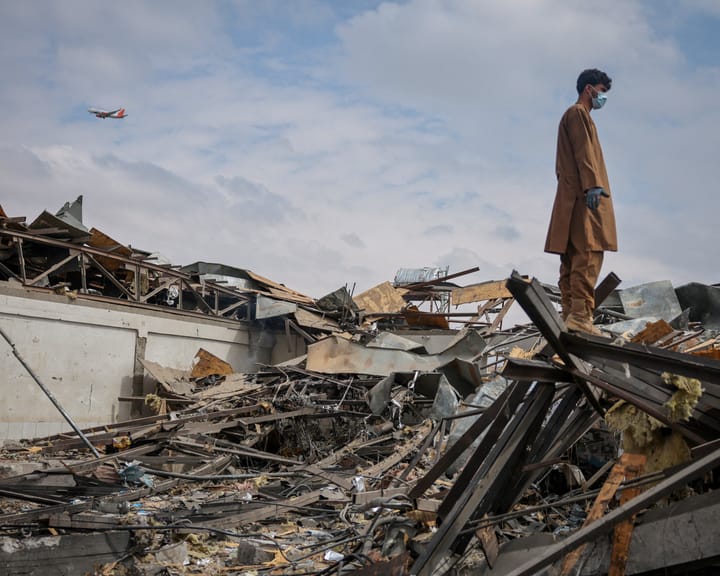
Witnesses say “Everything and people were burning” after strike on Kabul drug rehab centre.
Eyewitnesses and survivors have recounted the dreadful aftermath of a Pakistani air strike that struck a drug‑rehabilitation centre in Kabul, leaving more than 400 people dead, many of whom burned in their beds or were crushed as the structure collapsed.
Afghan rescue teams continued to pull bodies from the