

To prevent border disruptions, the system will be introduced gradually, meaning passport stamping will continue for up to six months until EES is fully operational. Under the new rules, most non-EU or non-EEA travelers will have their fingerprints scanned and be photographed upon arrival in the Schengen zone.
Travelers will need to scan their passports and may also be questioned about accommodation, return tickets, sufficient funds, and travel or medical insurance, though not all borders will enforce these questions strictly.
Numerous scanning machines have been set up at airports and border crossings across Europe, following years of delays—the system was initially expected in 2022.
Major departure points, such as St Pancras International for Eurostar, have spent millions upgrading infrastructure to meet the new requirements. Increased processing times—especially for drivers and passengers who must exit vehicles for registration—have raised concerns about bottlenecks, particularly at Dover’s ferry terminal and, to a lesser extent, the Eurotunnel in Folkestone.
The UK government has prepared overflow sites in Kent to manage potential traffic congestion. However, fears of severe delays have eased as the rollout will be gradual. For the first month, only coaches and HGVs will undergo checks at Eurotunnel and Dover, and until January, only a small number of Eurostar passengers will need to register.
The European Commission stated that once fully operational, the system will make travel "smoother and safer," as databases will automatically flag irregularities for border officials. During the transition, EU nations will decide when and where to implement EES, ensuring smoother adjustments for authorities and travelers.
The UK government is maintaining close coordination with EU officials to monitor the rollout and has launched an awareness campaign for travelers. While individual checks may take up to two minutes, longer waits could occur at Schengen entry points.
Keir Mather, a UK transport minister, emphasized minimizing disruption, stating: “We’re working closely with European partners to keep border crossings running efficiently, especially at key transit points.”
Read next
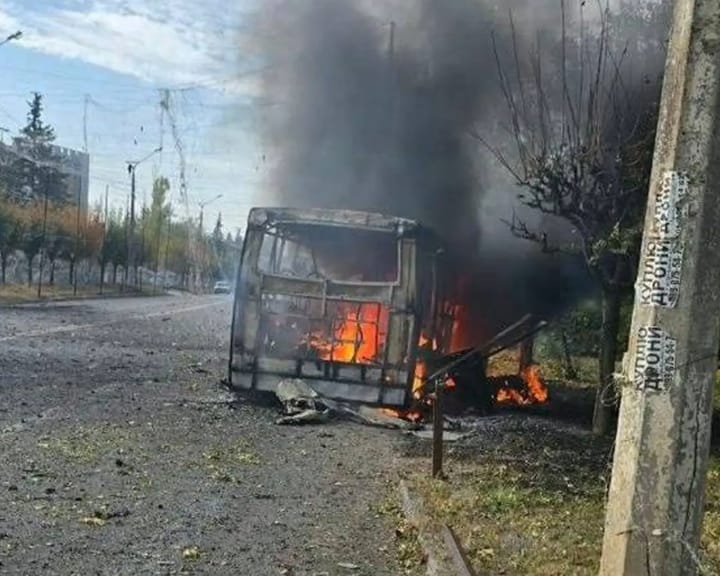
Russian Assault on Buses Near Ukraine Border Results in 30 Deaths
Thirty people have been killed and eighteen injured following an attack by Russia on two passenger buses in Kramatorsk, near the frontline in eastern Ukraine, according to local authorities.
The Donetsk regional prosecutor's office reported that the death toll from the morning attack on the buses had reached
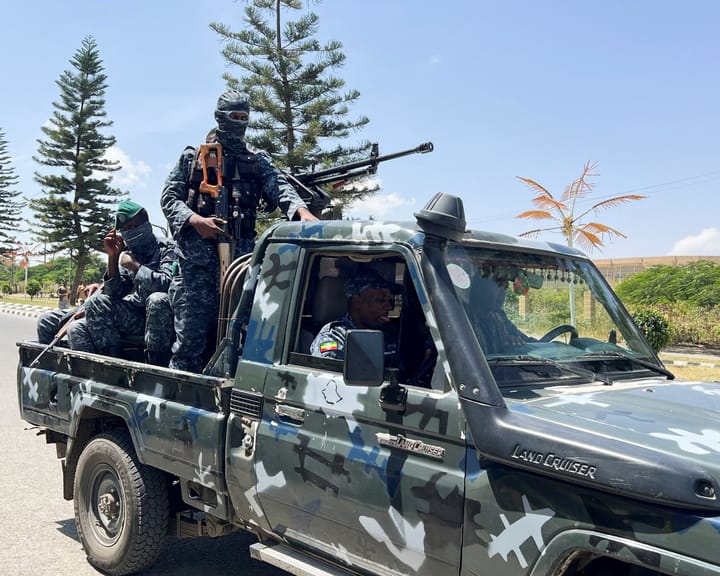
Ethiopia Conducts Drone Strike on Eritrean Forces in Tigray Region
Eritrean forces reportedly crossed into Ethiopia's Tigray region and faced drone attacks from Ethiopian government forces, raising concerns about the potential for a broader regional conflict between the two neighboring countries.
Military vehicles transporting soldiers crossed the southern border of Eritrea into Tigray on Wednesday, reaching Adigrat, approximately

Israel Advances Film Resembling NAZA Documentary
The Israeli government is promoting an online film project designed to counter the findings of the award-winning documentary NAZA, which details Israel’s mass killings of civilians in Gaza. NAZA, directed by Oscar-winning filmmakers Yuval Abraham and Rachel Szor, is currently in cinemas and will be shown in