

Meta Introduces Paid Ad-Free Option for UK Users of Facebook and Instagram
Users of Facebook and Instagram in the UK will soon have the option to pay a monthly fee of up to £3.99 to use the platforms without advertisements.
Meta, led by Mark Zuckerberg, has introduced the subscription-based alternative following regulatory scrutiny over its use of personalized ads, where user data is analyzed to deliver targeted promotions.
Those accessing the platforms via web browsers will pay £2.99 per month, while mobile users will be charged £3.99. If accounts are connected, only one fee will apply.
Meta stated that the change provides UK-based users with a choice between continuing to use the platforms for free with personalized ads or paying to view content without them.
The new service will be introduced in the coming weeks. Those who do not subscribe will still encounter ads based on their personal information.
A similar model was launched by Meta in the EU, where it was found to violate the Digital Markets Act—a regulation aimed at limiting the dominance of major tech firms. The European Commission, the bloc’s executive body, fined Meta €200 million earlier this year, arguing that the company should have provided a free option with less intrusive data collection for ads, using only basic information like age, gender, and location.
The UK’s Information Commissioner’s Office approved of the shift. A spokesperson noted, "This change means Meta is no longer enforcing ad targeting as a default requirement for using Facebook and Instagram, which we’ve previously stated does not comply with UK regulations."
Read next

US officers worry Meta smart glasses could covertly record them
In January, the NYPD’s counterterrorism unit warned officers about a new security threat: Ray-Ban Meta glasses. A memo directed officers to “conduct thorough inspections of all eyewear permitted within inmate cells,” cautioning that recently arrested individuals could use the devices’ small cameras and microphones to record inside police
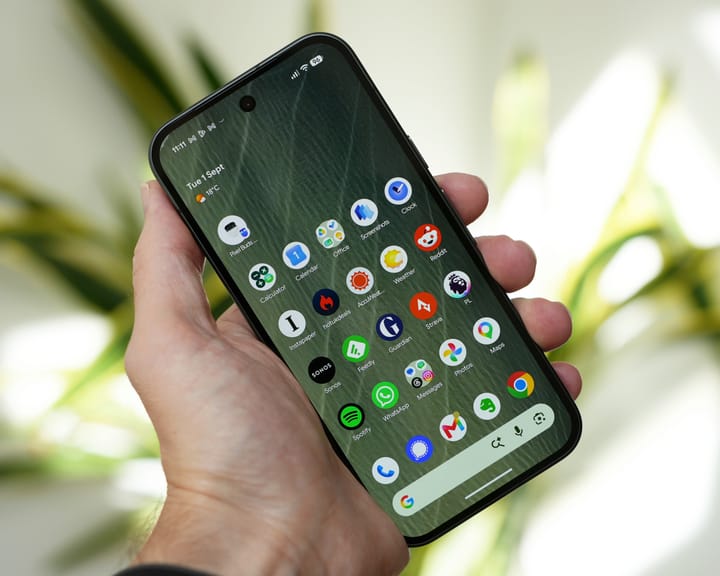
Google's Pixel 11 sets new standard for flagship phones, review finds
Google’s Pixel 11 continues to define what a base flagship phone should deliver, with leading cameras, extended software support and nearly all the features of its pricier siblings.
The standard Pixel 11 is priced at £879 (€999/$899/A$1,499), £80 higher than its previous version, reflecting ongoing

AI Expert Father of Three Shares Essential Insights for Parents on Artificial Intelligence
A father once promised his child they would write a story together called "The Day Nobody Went to Disneyland." The plot imagined a perfect day when the entire world avoided the park, expecting crowds, leaving it completely empty for a father and child to enjoy alone. Three decades