
As Donald Trump prepared to meet Vladimir Putin in Alaska in August, Russian forces initiated an attack in eastern Ukraine. Small units moved forward near Dobropillia and, encountering minimal opposition, advanced 15 to 20 km, capturing several villages.
Though a relatively small area, this territorial shift shaped recent perceptions of the conflict. At the time of the Alaska summit, it was interpreted as evidence of Russia's tactical momentum. However, Ukraine's subsequent recapture of these zones—despite Russian advances elsewhere—might have reinforced Trump's earlier remarks dismissing Moscow's military capabilities as overstated.
After Russia’s initial August gains, a Ukrainian platoon was deployed to reclaim the settlements of Hruzike and Vesele—the latter proving particularly challenging. These villages lay at the tip of a newly formed Russian-controlled wedge, resembling a pair of "rabbit ears" on frontline maps due to their shape.
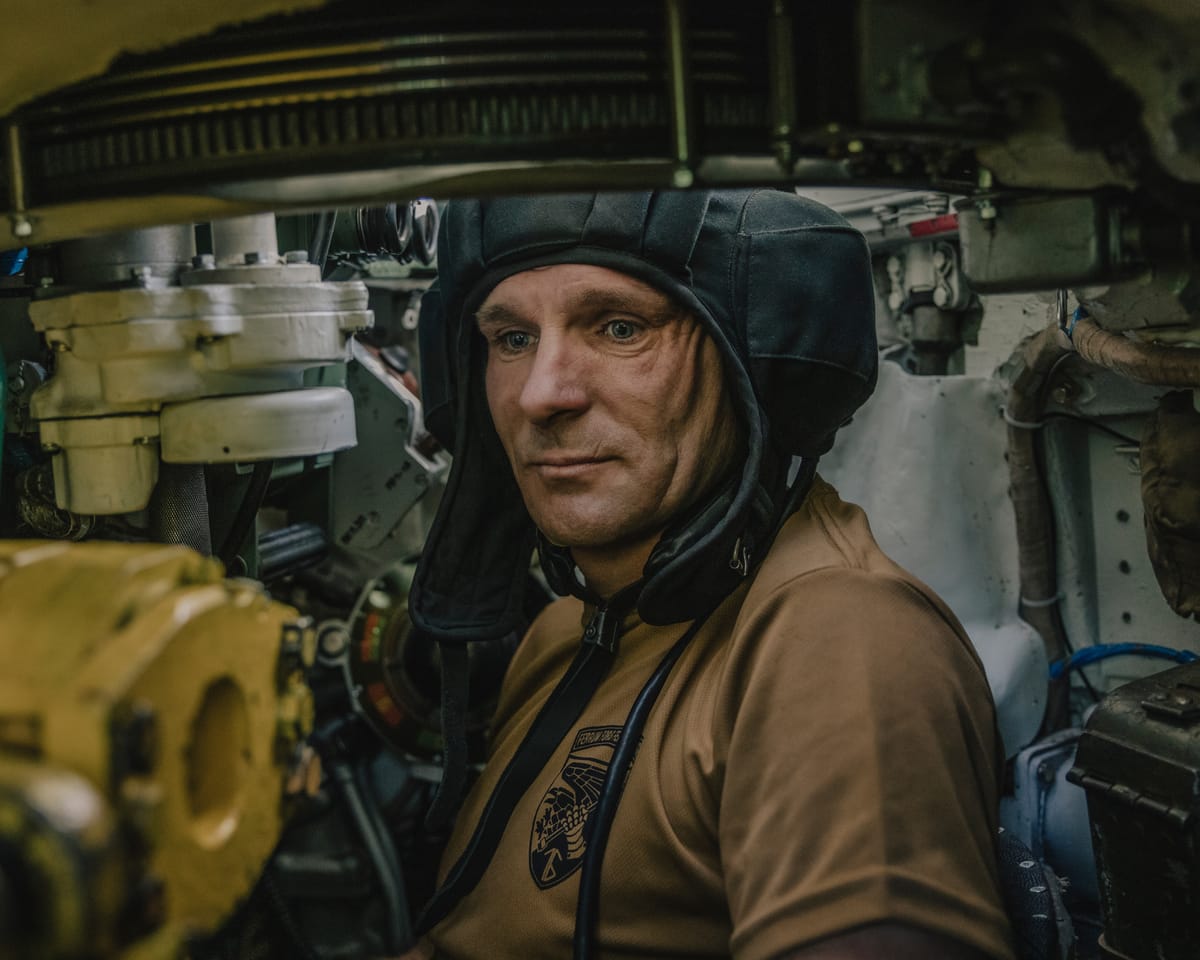
The Ukrainian offensive began with ground drones armed with machine guns advancing, firing toward concealed enemy positions while loudspeakers called for surrender. Two tanks soon joined, shelling buildings, including a school adorned with a mural. The impact shook trees and rattled the sign at Vesele’s bus stop. "After that, we moved in to clear the area—every structure, bush, and basement," said the platoon's commander, whose call sign was Tarantino.
Hruzike was retaken with little difficulty, with several disoriented Russian soldiers surrendering without resistance. Vesele, however, saw fiercer combat. After moving along the main road past damaged homes, Tarantino’s eight-person unit reached two final buildings. From a cellar in one, Russian troops opened fire. "A bullet struck my helmet like a punch," he recalled. "I survived—my helmet saved me. I rolled away as our team returned fire."
Another round hit Tarantino’s backpack, igniting a power bank. He discarded it and continued fighting. "Our drones arrived and eliminated the enemy. This was our first major operation of this scale. There was adrenaline, but we had trained for it," he said. Ten Russian soldiers were killed; Ukrainian forces suffered no losses.
Since the recapture of Vesele on 14 August, Moscow has lost roughly half its recently seized territory. Ukraine’s top military commander, Oleksandr Syrskyi, stated that his forces had freed 330 sq km (127 sq miles), with over 170 sq km fully secured. Russian casualties reached 3,520, with 1,988 killed. Some Russian units were encircled, Syrskyi added, with ongoing operations to neutralize them.
Ukraine’s limited counteroffensive highlights shifting perceptions of the war. During their controversial February meeting, Trump suggested to Ukrainian President Volodymyr Zelenskyy that Russia’s success was inevitable...
Read next
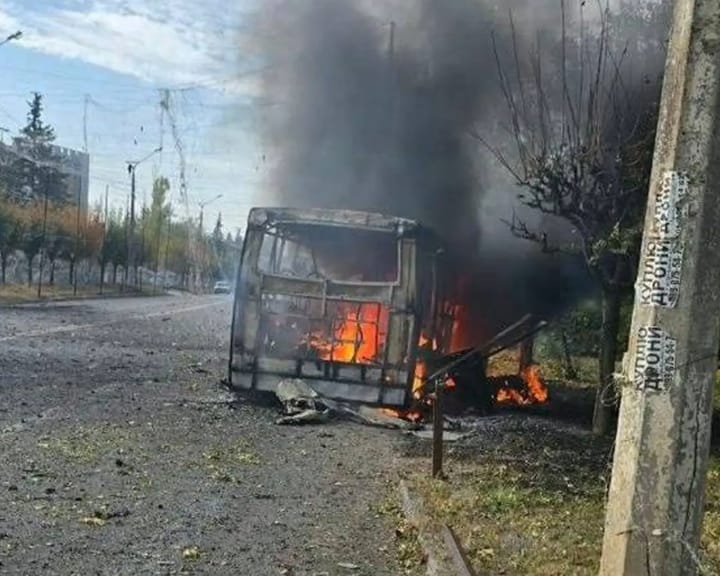
Russian Assault on Buses Near Ukraine Border Results in 30 Deaths
Thirty people have been killed and eighteen injured following an attack by Russia on two passenger buses in Kramatorsk, near the frontline in eastern Ukraine, according to local authorities.
The Donetsk regional prosecutor's office reported that the death toll from the morning attack on the buses had reached
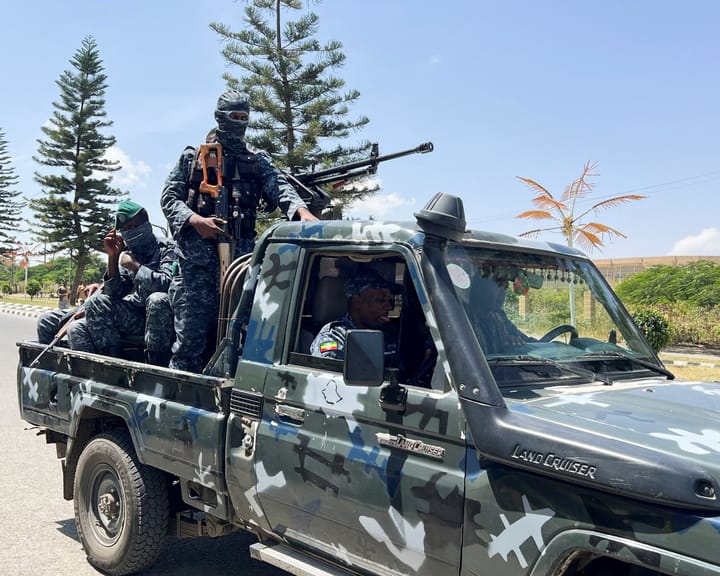
Ethiopia Conducts Drone Strike on Eritrean Forces in Tigray Region
Eritrean forces reportedly crossed into Ethiopia's Tigray region and faced drone attacks from Ethiopian government forces, raising concerns about the potential for a broader regional conflict between the two neighboring countries.
Military vehicles transporting soldiers crossed the southern border of Eritrea into Tigray on Wednesday, reaching Adigrat, approximately
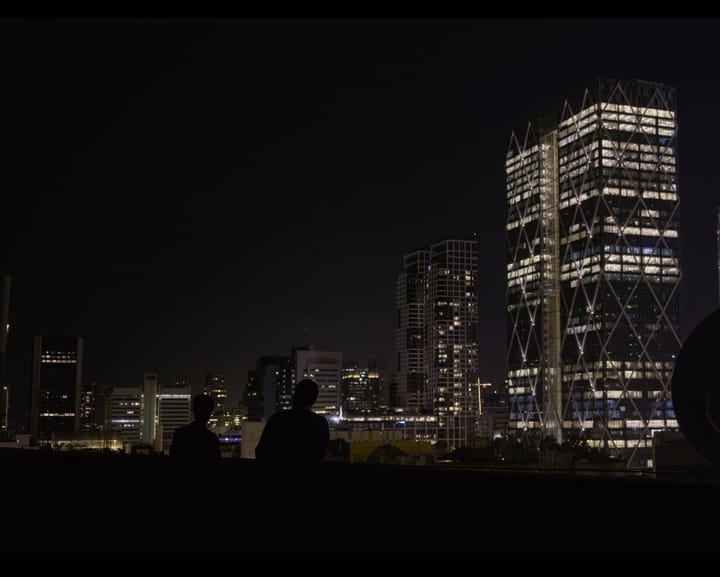
Israel Advances Film Resembling NAZA Documentary
The Israeli government is promoting an online film project designed to counter the findings of the award-winning documentary NAZA, which details Israel’s mass killings of civilians in Gaza. NAZA, directed by Oscar-winning filmmakers Yuval Abraham and Rachel Szor, is currently in cinemas and will be shown in