
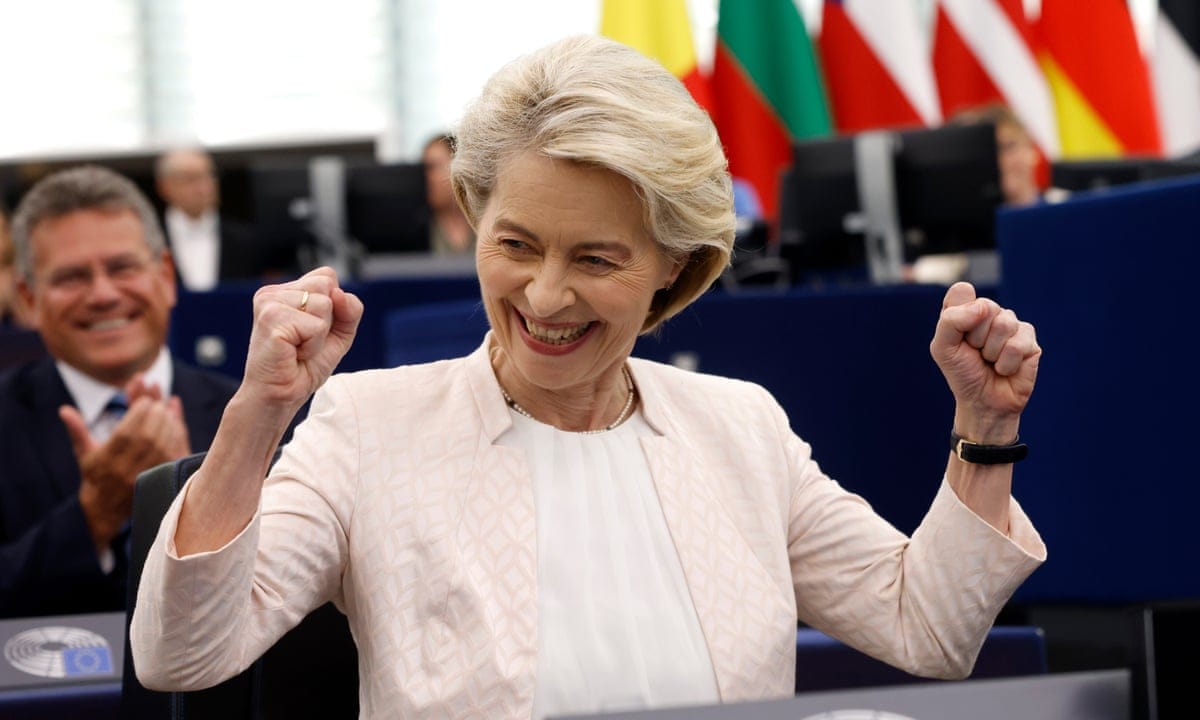
Ursula von der Leyen secured a second term as European Commission president, with the backing of mainstream parties in the European parliament and against anti-EU factions.
The chamber in Strasbourg erupted into applause when it became apparent that von der Leyen, the first woman to head the EU executive body, had won by 41 votes – a more convincing result than her initial election in 2019.
As the German Christian Democrat will lead the EU's lawmaking and enforcement institution until 2029, von der Leyen appealed for support from "all democratic forces" within the chamber earlier on Thursday. She outlined her priorities for her subsequent term, emphasizing that she would not tolerate societal polarization or those who seek to undermine European values and unity.
With a changing political landscape reflected in recent elections, von der Leyen's re-election garnered more support than the previous election cycle. A total of 401 MEPs voted for her, while 284 were against; five abstained from voting, and seven ballots did not count as valid votes. She required at least 360 affirmative votes to succeed in securing a new term.
This outcome should provide relief to EU leaders who had nominated von der Leyen for another term following the European elections that saw power shift towards right-leaning parties within the parliament.
Key political groups, including the European People's Party (EPP), Socialists and Democrats, and Renew group, declared their intention to support her candidacy, although individual members had previously indicated opposition. The Greens also expressed reluctance in 2019 but decided to back von der Leyen this time with an aim of thwarting the far right from gaining power.
The European Conservatives and Reformists faction, encompassing groups like Giorgia Meloni's Brothers of Italy party and Poland's Law and Justice, revealed a divided stance within their ranks, suggesting that although they would vote against von der Leyen as a group, the final decision rested with individual members.
European People’s Party leader, Manfred Weber, urged his colleagues to back von der Leyen, framing it as an act of defending democratic values and not merely choosing another EU Commissioner. Von der Leyen also addressed her own EPP faction, emphasizing the importance of reducing burdensome EU regulations to support small businesses, while committing herself to advancing Europe's competitiveness and prosperity in her first 100 days as commission president.
Additionally, von der Leyen aligned with Greens and Socialists on climate change initiatives, promising a focus on creating clean industrial projects that would drive investment in decarbonizing manufacturing and green technology. She also touched upon Macron's vision for European defense cooperation and suggested the formation of a joint military project to safeguard shared airspace.
Von der Leyen pledged support for Ukraine and criticized Viktor Orbán, Hungary's prime minister, for his recent trip to Moscow. She also promised increased funding for EU border security personnel while condemning Russia's attempts to exploit the plight of Yemeni refugees seeking entry into Europe.
Furthermore, she vowed a comprehensive approach towards housing issues and committed herself to addressing challenges in migration and asylum processes within the European Union.
With her second term underway, von der Leyen demonstrated commitment not only to strengthening the EU but also advocating for unity among member states on crucial international issues.
Read next
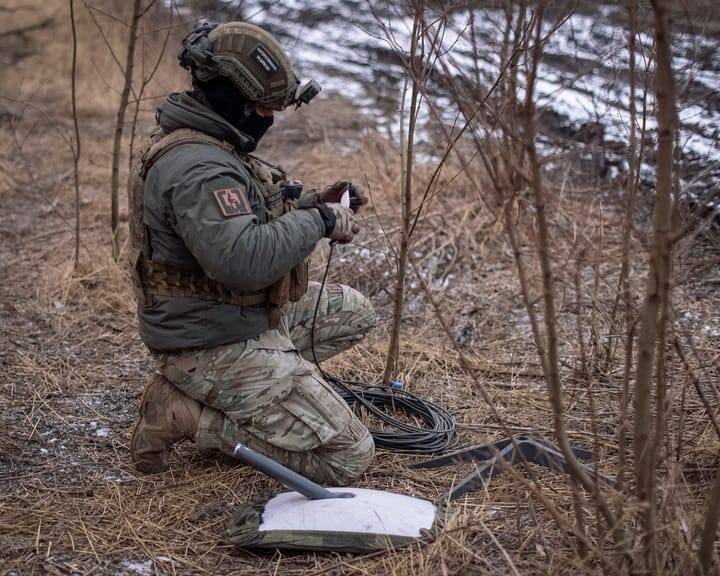
Ukrainian combat troops gain restricted access to Starlink satellite internet
Ukrainian soldiers experienced a sudden disruption in their access to Starlink satellite internet terminals amid increased pressure from the Trump administration for Ukraine to cease long-range attacks on Russia’s oil infrastructure. These terminals, managed by Elon Musk’s SpaceX, are vital for Ukraine's military operations. The

Russia's latest Ukraine attacks show 'disrespect' towards US, says Zelenskyy — Europe live
Sikorski Confronts Musk Over Starlink in Ukraine
Poland’s Foreign Minister Radosław Sikorski recently addressed Elon Musk on X, questioning reported restrictions on Starlink services in Ukraine. Poland contributes significantly to Ukraine’s funding of Starlink, which is crucial for maintaining internet connectivity in Kyiv and its military operations, with
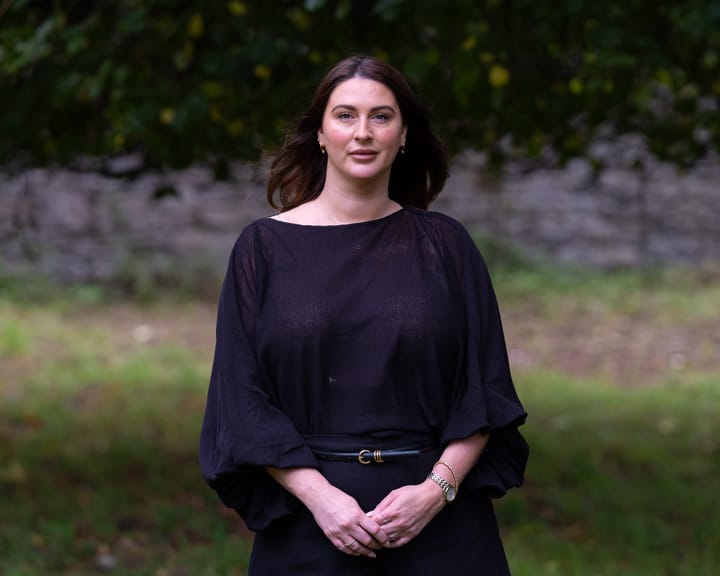
"Breaking Stigma: Nikita Jager's Triumph in Civil Rape Case Against Conor McGregor"
Nikita Hand faced a challenging decision when considering a civil case against Conor McGregor following a 2018 assault. Despite her personal reservations about being an "imperfect victim" due to alcohol and drug use on the night of the incident, she chose to proceed. This decision stemmed from her