
Israel and the United States have initiated hostilities against Iran, with former President Donald Trump announcing the commencement of “major combat operations” and urging Iranians to revolt against their regime.
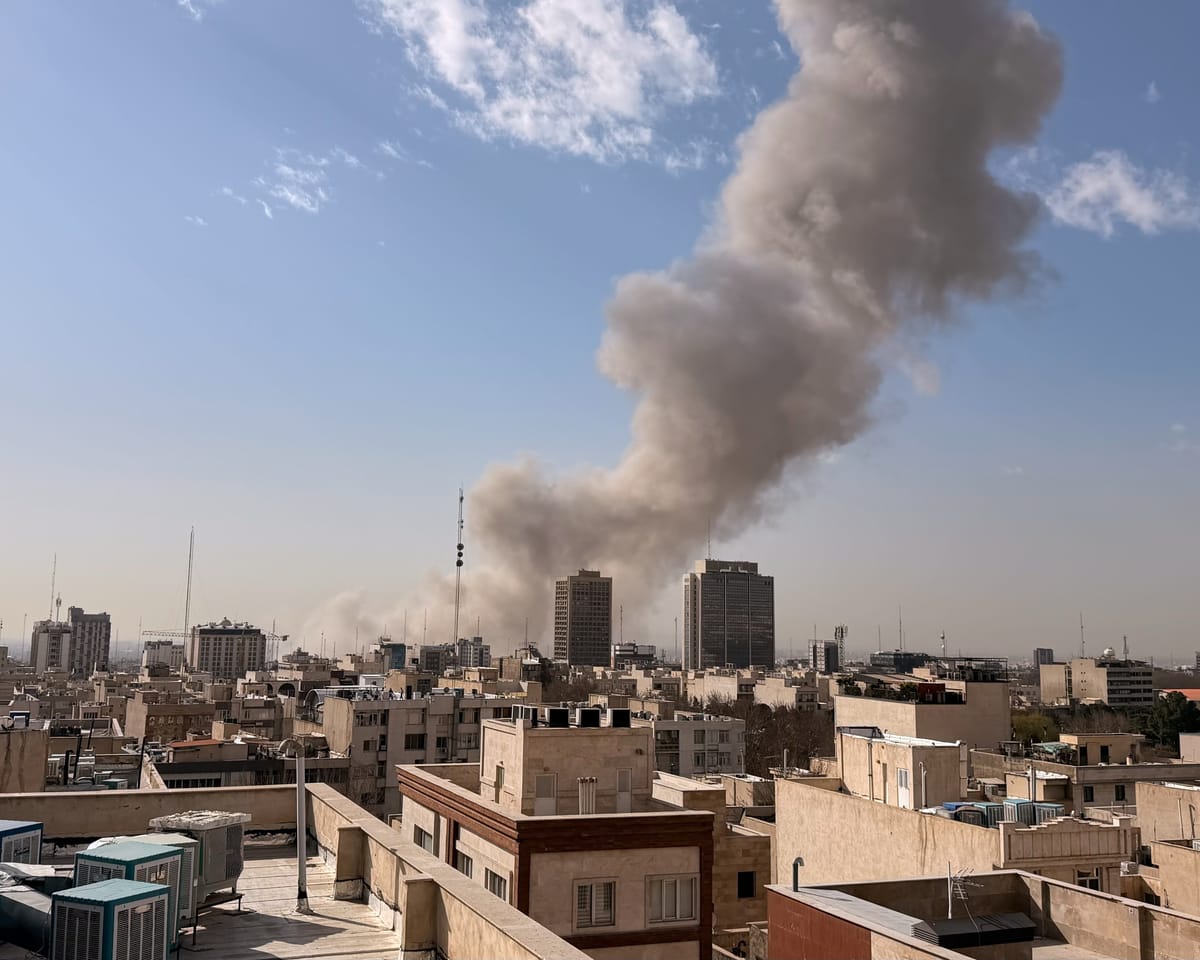
Trump’s remarks arrived shortly after detonations were reported throughout central Tehran.
One apparent blast struck close to the offices of Supreme Leader Ayatollah Ali Khamenei.
An Iranian official told Reuters that Tehran is preparing a “decisive retaliation.”
Iran responded with a barrage of missiles and drones aimed at sites in Israel and at U.S. military installations throughout the Middle East.
Explosions were heard in Israel, Bahrain—the base of the U.S. fleet in the region—Abu Dhabi and Dubai in the United Arab Emirates, Kuwait and Riyadh in Saudi Arabia.
Earlier, Israel declared a state of emergency, advising civilians to remain near air‑raid shelters in anticipation of Iranian drone and missile attacks.
Both Iran and Israel suspended civilian flights over their airspace.
The strike on Iran occurred hours after Trump expressed dissatisfaction with the latest talks with Tehran over its nuclear program.
In recent weeks the United States had amassed a sizable force in the area, including two aircraft‑carrier strike groups, in preparation for action.
The United States and Israel both called for regime change in Iran and appealed for a popular uprising following Saturday’s assaults.
In a video posted to his Truth Social platform, Trump urged the Iranian populace to “take over your government.”
He promised the Iranian armed forces “immunity” if they laid down arms, or “certain death” if they did not, telling Iranians that “the hour of your freedom is at hand” and urging them to rise and seize control.
Israel addressed Iranians directly in a Persian‑language message posted on a dedicated Telegram channel.
“Our Iranian brothers and sisters, you are not alone!” the message read, inviting Iranians to share photos and video of anti‑regime demonstrations. “Together we will restore Iran to its glorious days.”
Trump and the Israeli military characterized their actions as a pre‑emptive strike against Iranian threats.
The initial wave of attacks, dubbed Operation Epic Fury by the Pentagon, primarily targeted Iranian officials.
An Israeli source said that both Khamenei and Iran’s president, Masoud Pezeshkian, were among the intended targets, though the outcome remained unclear.
A knowledgeable source had earlier informed Reuters that Khamenei was not in Tehran at the time and had been moved to a secure location.
An Iranian insider close to the establishment told Reuters that several political figures and senior commanders of the Revolutionary Guard had been killed.
By late morning the breadth of Iran’s retaliatory strikes across the region was becoming evident, as Revolutionary Guard commanders asserted that no red lines or protected targets existed.
Reports of explosions in Bahrain, Abu Dhabi and Kuwait indicated that Iran had set in motion a plan to strike as many U.S. bases in the area as possible.
Read next
French Minister Refutes Police Brutality Claims Amid Ongoing Student Protests Across France – Europe Live
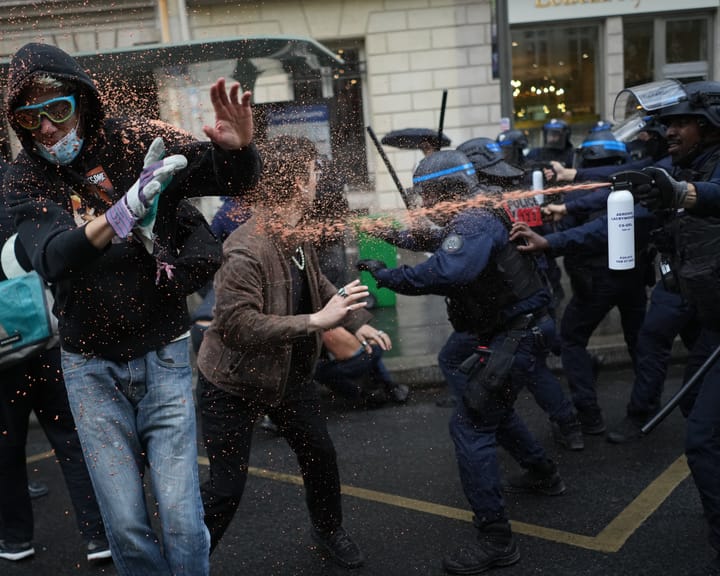
In recent developments, French Interior Minister Laurent Nuñez has refuted claims of excessive police force during the ongoing student protests in France. He emphasized that police action is only taken in response to violence or property damage. Addressing lawmakers, Nuñez described the protests as "unprecedented" due to the
Ukraine Reports Russia Bombed Apartment Building Coinciding with Putin's Birthday
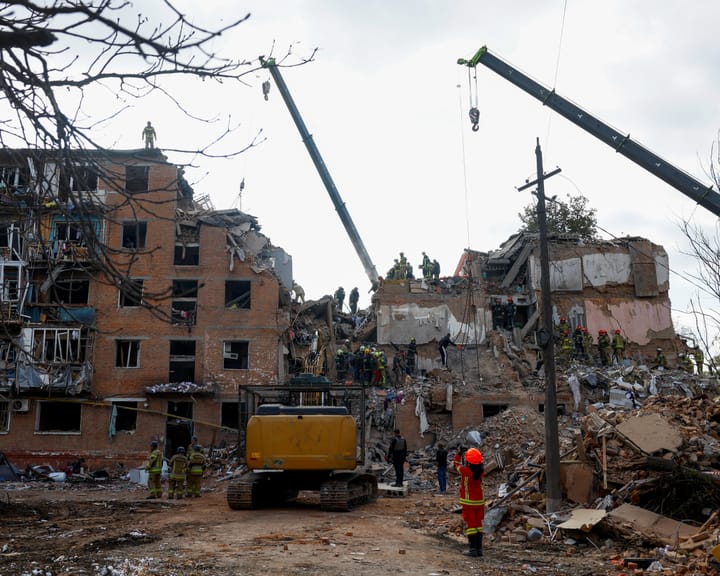
Volodymyr Zelenskyy has accused Russia's military of deliberately targeting civilians and bombing residential buildings as a grim gift for Vladimir Putin, who celebrates his 74th birthday on Wednesday.
Ukraine’s president described Russia’s overnight drone and missile strikes, which killed at least 24 people, as “despicable.” “The
Fears of 'another coup d'état' grow as Flávio Bolsonaro vows to 're-democratise' Brazil
Flávio Bolsonaro, the leading candidate for Brazil's presidency, has promised to "re-democratise" the nation, raising concerns about potential authoritarian governance should he win. Brazil transitioned to democracy in the 1980s after a harsh 21-year dictatorship, a period lauded by Flávio's father, former