

The White House has characterized Hamas' latest ceasefire proposal for Gaza as a significant development, laying out the groundwork for potential hostage exchanges. Nonetheless, intricate discussions remain ahead concerning the application of this agreement.
A high-ranking US official disclosed that the Biden administration received Hamas' most recent proposition "a couple of days ago" and is presently examining it in anticipation of a brief call between Joe Biden and Benjamin Netanyahu on Thursday.
During their discussion, which lasted approximately 30 minutes, both leaders delved into the text of the proposal, engaging in thorough and optimistic dialogue while also acknowledging the tasks that lie ahead to finalize this agreement and begin its execution.
Netanyahu was scheduled to convene a strategic meeting with his security cabinet on Thursday evening to deliberate on Hamas's proposition, and he will be sending a negotiation team to Qatar for further talks with US, Egyptian, and Qatari representatives over the next few days.
According to Israeli officials, this delegation would consist of David Barnea, head of Israel's intelligence agency, Mossad, as usual.
The White House anticipates that discussions in Doha could commence by Friday. The proposal from Hamas aligns with the three-stage peace initiative announced by Biden on May 31st and has been formally accepted by the Israeli government as well as endorsed by the UN Security Council.
US officials had previously mentioned that an earlier response from Hamas included both negotiable and non-negotiable elements. The White House's reaction to this new proposal was notably more positive, considering it a significant adjustment to previous positions.
"A framework has now been established, but we still have work ahead of us in determining the implementation steps," said an official from the US administration. "We received what appears to be a substantial revision to Hamas's original stance, which is encouraging news."
However, it was emphasized that this agreement remains unfinalized; there are considerable tasks ahead in the process of finalizing its details and implementation steps.
The primary challenge in negotiations until recently had been differing perspectives on transitioning from the initial phase to the subsequent one of the proposed peace deal. The first stage involves Hamas releasing elderly, ailing, or female hostages during a six-week ceasefire period, Israeli withdrawal from Gazan cities, and the release of Palestinian detainees held by Israel.
The second phase encompasses the subsequent release of all remaining hostages along with bodies of those who lost their lives in conflict, an end to ongoing hostilities, and a complete Israeli withdrawal from the Gaza Strip. The third phase would mark the beginning of reconstruction efforts in Gaza.
The progression from stage one to stage two had been contentious until this week when it was considered that significant progress needed to be made concerning how the agreement moves forward.
Hamas's insistence on stronger guarantees for the transition from phase one to phase two, and its reluctance regarding conditions placed before a permanent ceasefire has led to stumbling blocks in negotiations.
However, Netanyahu had expressed doubt about reaching such an agreement, vowing continued efforts towards dismantling Hamas's presence in Gaza, which it has governed for almost two decades and initiated surprise attacks on southern Israel in October.
"Crucial issues regarding the shift from stage one to phase two have been a significant point of contention," said the senior US official without providing specific details about Hamas's proposal. "Despite these challenges, we believe there is considerable progress made during this discussion."
Read next
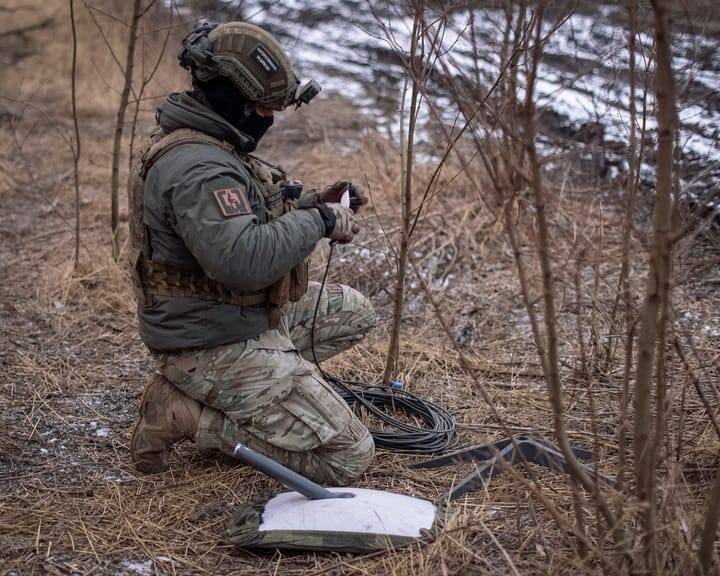
Ukrainian combat troops gain restricted access to Starlink satellite internet
Ukrainian soldiers experienced a sudden disruption in their access to Starlink satellite internet terminals amid increased pressure from the Trump administration for Ukraine to cease long-range attacks on Russia’s oil infrastructure. These terminals, managed by Elon Musk’s SpaceX, are vital for Ukraine's military operations. The
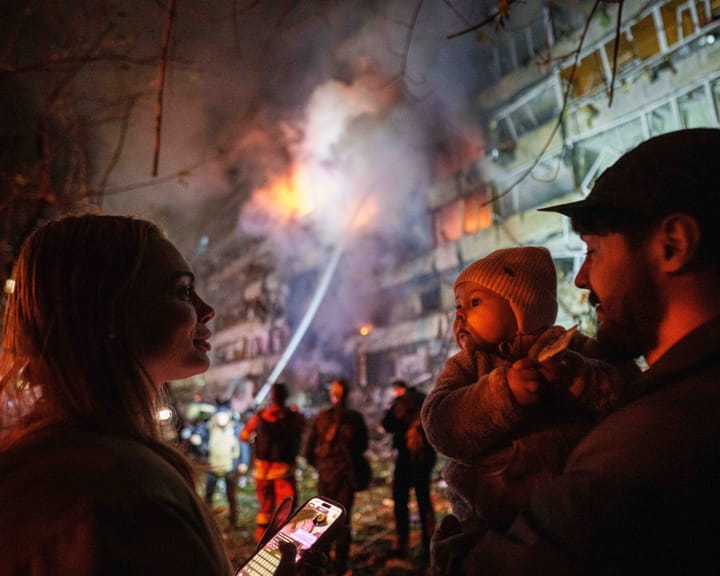
Russia's latest Ukraine attacks show 'disrespect' towards US, says Zelenskyy — Europe live
Sikorski Confronts Musk Over Starlink in Ukraine
Poland’s Foreign Minister Radosław Sikorski recently addressed Elon Musk on X, questioning reported restrictions on Starlink services in Ukraine. Poland contributes significantly to Ukraine’s funding of Starlink, which is crucial for maintaining internet connectivity in Kyiv and its military operations, with

"Breaking Stigma: Nikita Jager's Triumph in Civil Rape Case Against Conor McGregor"
Nikita Hand faced a challenging decision when considering a civil case against Conor McGregor following a 2018 assault. Despite her personal reservations about being an "imperfect victim" due to alcohol and drug use on the night of the incident, she chose to proceed. This decision stemmed from her