
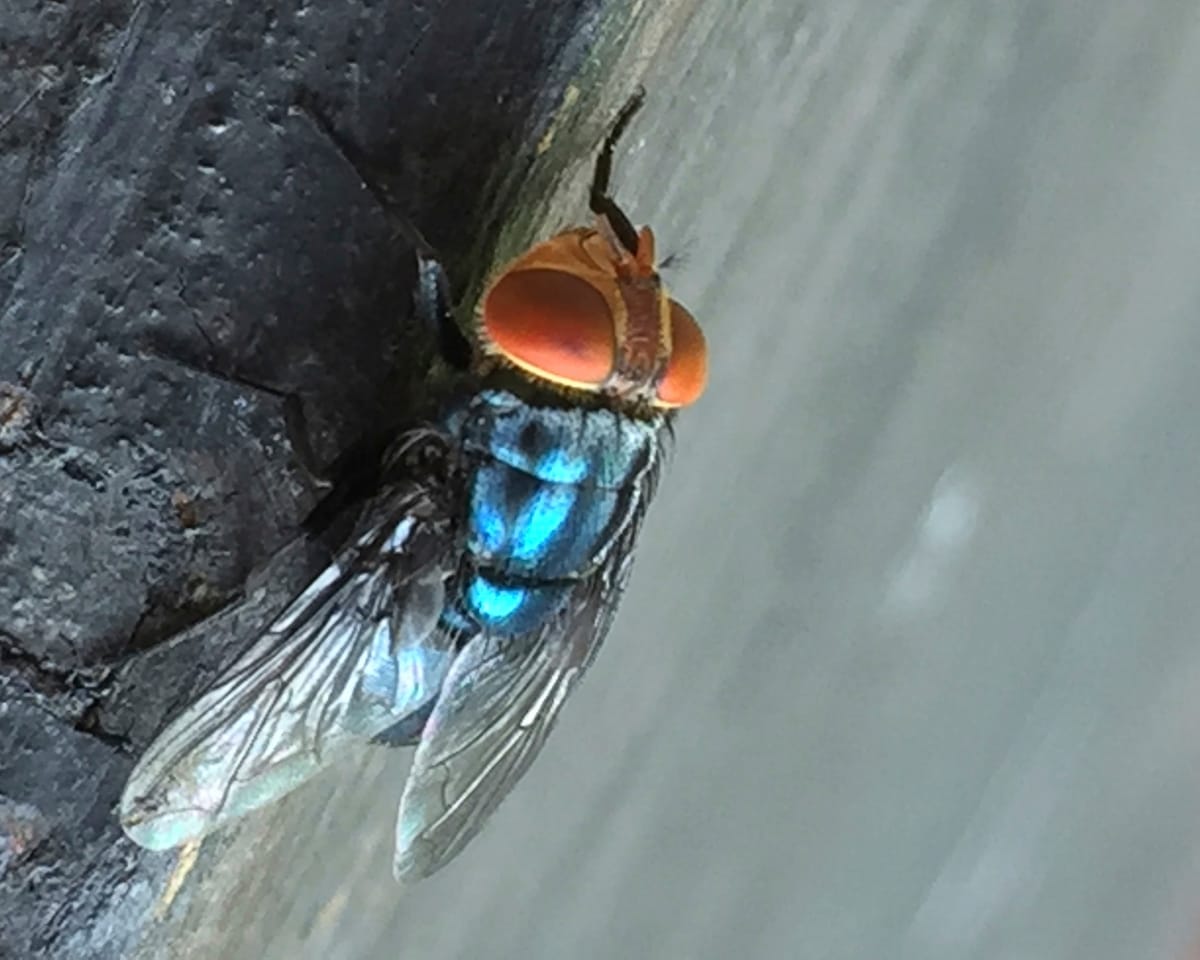
A patient in Maryland was found to have New World screwworm, a parasitic fly, in August after traveling to El Salvador. Medical and veterinary experts say the case poses minimal risk to public health in the US, but it follows a rise in cases across South and Central America and the Caribbean in recent years. It also underscores the need for global cooperation in research and prevention.
For decades, efforts against the screwworm were a success story of scientific progress and international collaboration. Devastating outbreaks in the US in the early 20th century were contained after a large-scale program pushed the parasite south, as far as Panama.
However, that progress is now at risk, with resurgences reported near the US border. Recent reductions in funding for scientific research and international aid could further hinder efforts to combat the screwworm.
The US Department of Health and Human Services stated on 18 August that the New World screwworm "has significant potential to cause a public health crisis that could impact national security."
The declaration allowed officials to assess whether existing treatments, such as ivermectin, are effective in controlling the parasite in animals.
No other established methods, like vaccines or medications, exist to manage screwworm infestations, and the HHS announcement does not include treatments for humans.
The Maryland case was identified before the insect could fully develop, reducing the chances of further spread.
"This is not a sudden infestation," said Heather Walden, an associate professor of parasitology at the University of Florida College of Veterinary Medicine. "It takes time—unlike bacteria or viruses that spread quickly."
In regions where the screwworm is prevalent, including parts of South and Central America and the Caribbean, "there are only a few hundred cases combined in those countries, so human transmission is not rapid," said Timothy Schell, acting director of the Center for Veterinary Medicine at the US Food and Drug Administration (FDA).
"The focus is primarily on livestock protection," added Marty Makary, the FDA chief.
"I had to learn a lot about it," Makary said of the parasite. "First, it looks extremely unpleasant."
Cases like this can act as "warning signals," indicating potential spread in the country where the infection originated, said Patrick Hickey, a tropical medicine specialist and chair of pediatrics at Uniformed Services University.
"It likely isn’t a major threat to the general public or agriculture. But the larger concern is what’s currently happening with livestock movements near the border."
Female flies deposit eggs in wounds on warm-blooded animals. When the eggs hatch, hundreds of larvae use their sharp mouths to feed.
Read next

Badenoch returns to Conservative conference, markedly stronger than a year ago
A year ago, Tory MPs feared a fresh leadership revolt against Kemi Badenoch as Tories hit historic 14-16% support; November, after 12 months, was hushed: decisive challenge month. Yet, despite poor polls, “Keminisation” saw her impose style and authority.
More in Common’s Luke Tryl, director, said Badenoch holds

UK sanctions plan on illegal Israeli settlements faces criticism from US, Israel and British MPs
Today, with the agreement of Prime Minister Netanyahu, Israeli officials announced a series of countermeasures in response to new sanctions declared by the British foreign secretary of the Labour government, following a sequence of anti-Israel decisions by the same administration.
The accusations leveled today by the Labour foreign secretary,

UK announces trade ban on Israeli settlements as tougher stance
Ed Miliband will announce a broad reset of the UK’s relations with Israel on Tuesday, pledging a more active stance in support of the Palestinian cause. In an intervention drawing fierce criticism from the US and Israel, the foreign secretary will impose a ban on trade in goods and