
U.S. Auto Safety Regulators Probe 2.88M Tesla Vehicles Over Traffic Violations
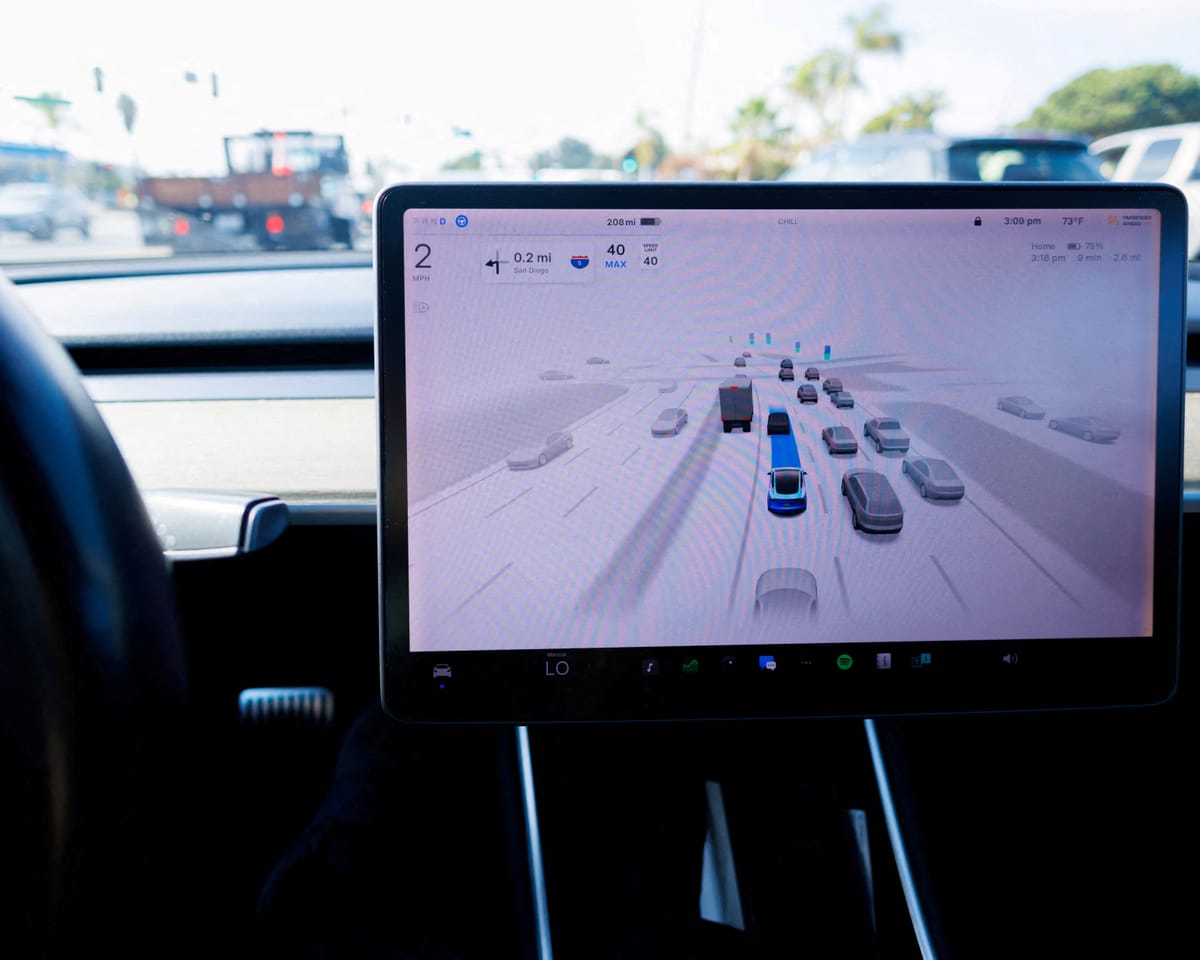
U.S. automobile safety officials have launched an investigation into 2.88 million Tesla vehicles equipped with the company's Full Self-Driving (FSD) technology following reports of traffic safety violations linked to crashes.
The National Highway Traffic Safety Administration (NHTSA) stated that Tesla’s FSD system, which requires driver supervision, had "prompted vehicle actions that breached traffic safety laws."
The preliminary evaluation by the NHTSA is the initial phase that could lead to a vehicle recall if regulators determine the technology presents a safety risk.
The agency cited instances where Tesla vehicles, operating with the FSD system engaged, reportedly ran red lights or moved against the correct lane direction during changes.
According to NHTSA, six reports described Tesla vehicles with FSD active "entering intersections against red lights and subsequently colliding with other vehicles." Four of these incidents resulted in injuries. Tesla has not yet commented on the matter.
The NHTSA also noted 18 complaints and one media report alleging that FSD-equipped Teslas failed to stop properly at red lights or incorrectly identified traffic signal states on the vehicle's display.
Some drivers reported that the system did not provide sufficient warnings before proceeding through red signals.
Tesla’s FSD, a more advanced system than its Autopilot feature, has been under NHTSA review for the past year.
In October 2024, the agency initiated an investigation into 2.4 million FSD-equipped vehicles following four collisions in low-visibility conditions, including sun glare, fog, and dust. One fatal crash occurred in 2023.
Tesla’s website states that FSD "requires an attentive driver, hands on the wheel, ready to intervene. While improvements are ongoing, the current features do not make the vehicle fully autonomous."
Read next
US officers worry Meta smart glasses could covertly record them
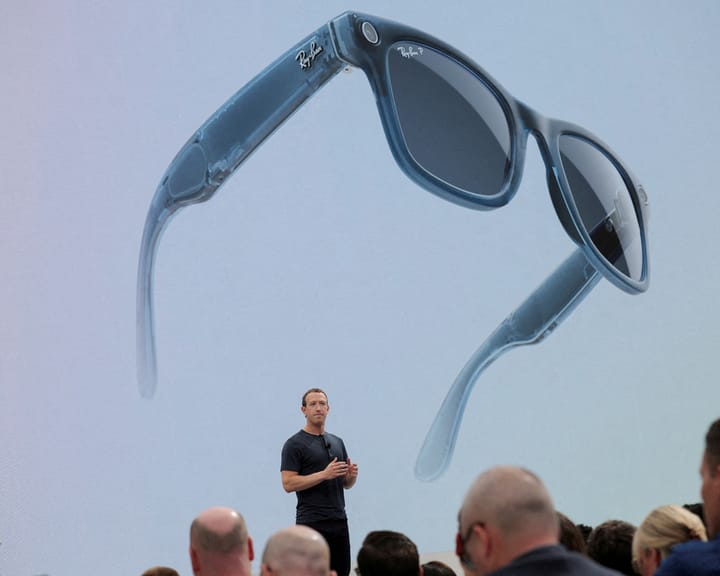
In January, the NYPD’s counterterrorism unit warned officers about a new security threat: Ray-Ban Meta glasses. A memo directed officers to “conduct thorough inspections of all eyewear permitted within inmate cells,” cautioning that recently arrested individuals could use the devices’ small cameras and microphones to record inside police
Google's Pixel 11 sets new standard for flagship phones, review finds
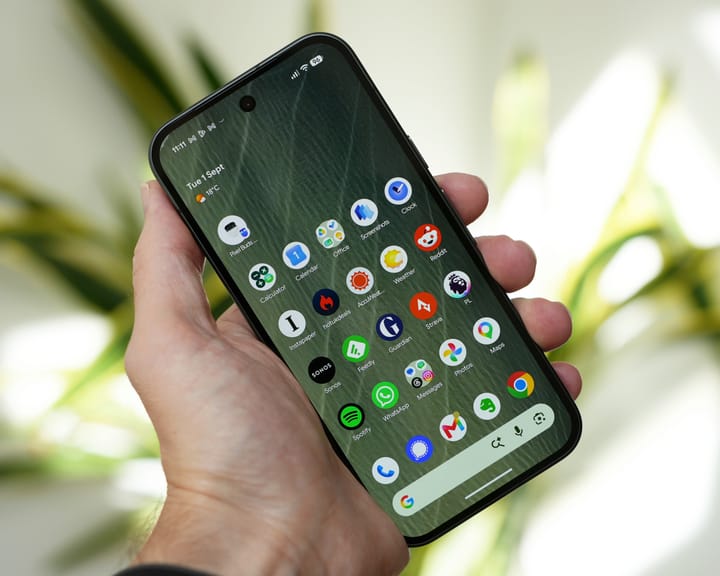
Google’s Pixel 11 continues to define what a base flagship phone should deliver, with leading cameras, extended software support and nearly all the features of its pricier siblings.
The standard Pixel 11 is priced at £879 (€999/$899/A$1,499), £80 higher than its previous version, reflecting ongoing
AI Expert Father of Three Shares Essential Insights for Parents on Artificial Intelligence
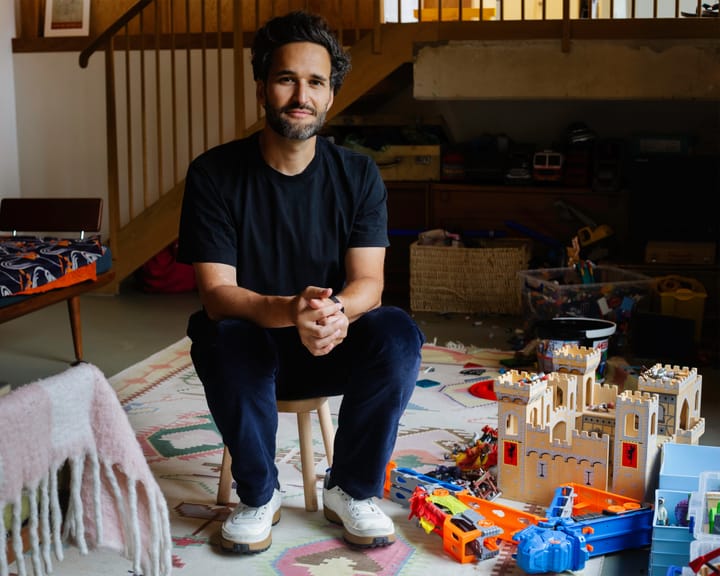
A father once promised his child they would write a story together called "The Day Nobody Went to Disneyland." The plot imagined a perfect day when the entire world avoided the park, expecting crowds, leaving it completely empty for a father and child to enjoy alone. Three decades