

Neo-Fascist Fight Clubs Draw Scrutiny as Security Threat
Groups associated with far-right extremism, known as "active clubs," have become a growing concern for intelligence agencies in Western nations, according to analysts and official documents reviewed by CuriosityNews.
These clubs, which promote an ideology rooted in neo-Nazi beliefs while operating under the guise of mixed martial arts training, have been observed expanding beyond national borders. The fact that security services—typically focused on monitoring banned terrorist organizations such as Islamic State—are now tracking them indicates their escalating threat.
“Authorities aim to identify extremist networks within their countries,” said Joshua Fisher-Birch, a terrorism expert at the Counter Extremism Project, “assessing their current or future capacity for violence and their connections to other groups or individuals, both locally and internationally.”
Recent incidents have highlighted this cross-border cooperation.
In August, a Canadian-based group called Nationalist-13 shared a video on Telegram documenting a gathering of its members. The footage, typical of the low-budget propaganda associated with these groups, showed participants weightlifting and sparring, with faces obscured and synth music playing. The video also displayed logos of affiliated chapters—including two from the U.S. and one linked to Patriot Front, a known ultranationalist organization.
“Canada needs all [white] men of good character,” the group stated in its post.
The growing influence of this movement—originating from a disbanded neo-Nazi faction tied to the 2017 Charlottesville rally—has not escaped official notice.
A classified report from Canada’s intelligence service, CSIS, obtained through a public records request, acknowledged the rising cross-border collaboration among these groups and their potential to strengthen extremist ties. CSIS, part of the Five Eyes intelligence alliance that includes the U.S. and the U.K., noted the risk posed by such alliances.
“Some individuals in Canada have traveled to the U.S. to attend extremist-affiliated gatherings, likely to solidify connections with likeminded people,” the report stated.
“Members of these groups frequently move between countries to train and build international networks.”
While the exact number of participants involved in such exchanges remains uncertain, the report warned that such travel could facilitate the sharing of resources and tactics, potentially leading to violence.
Using platforms like Telegram to maintain international ties, these groups continue to spread their ideology while evading scrutiny.
Read next
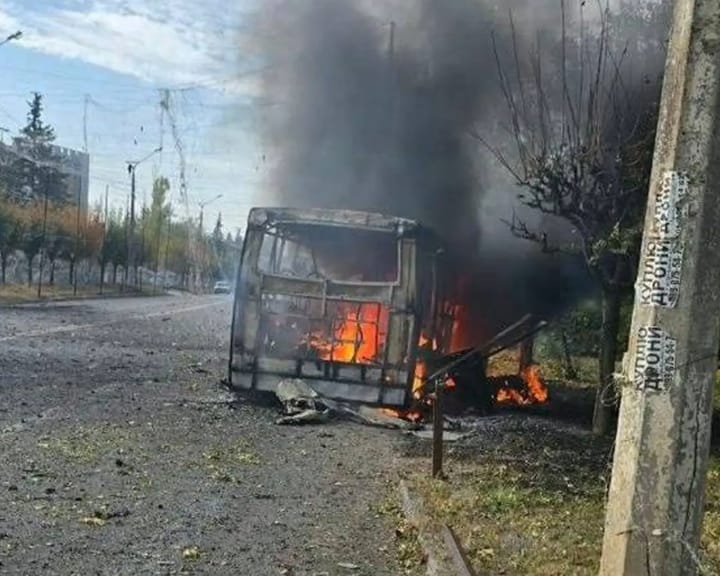
Russian Assault on Buses Near Ukraine Border Results in 30 Deaths
Thirty people have been killed and eighteen injured following an attack by Russia on two passenger buses in Kramatorsk, near the frontline in eastern Ukraine, according to local authorities.
The Donetsk regional prosecutor's office reported that the death toll from the morning attack on the buses had reached
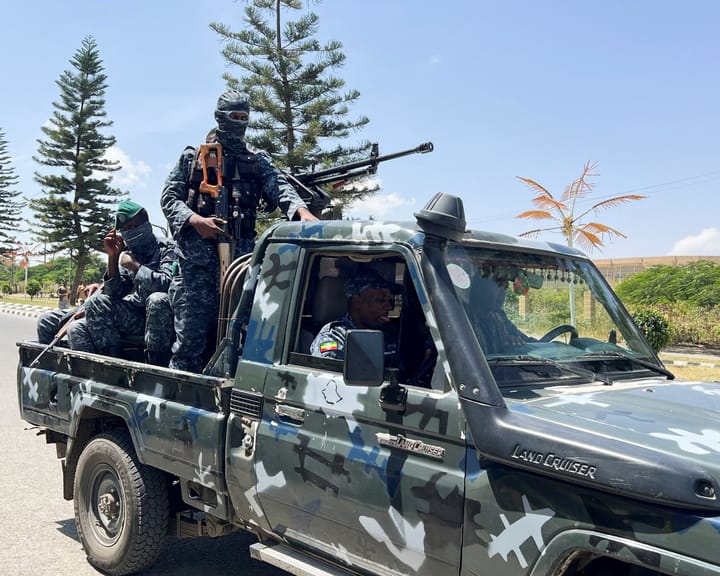
Ethiopia Conducts Drone Strike on Eritrean Forces in Tigray Region
Eritrean forces reportedly crossed into Ethiopia's Tigray region and faced drone attacks from Ethiopian government forces, raising concerns about the potential for a broader regional conflict between the two neighboring countries.
Military vehicles transporting soldiers crossed the southern border of Eritrea into Tigray on Wednesday, reaching Adigrat, approximately

Israel Advances Film Resembling NAZA Documentary
The Israeli government is promoting an online film project designed to counter the findings of the award-winning documentary NAZA, which details Israel’s mass killings of civilians in Gaza. NAZA, directed by Oscar-winning filmmakers Yuval Abraham and Rachel Szor, is currently in cinemas and will be shown in