
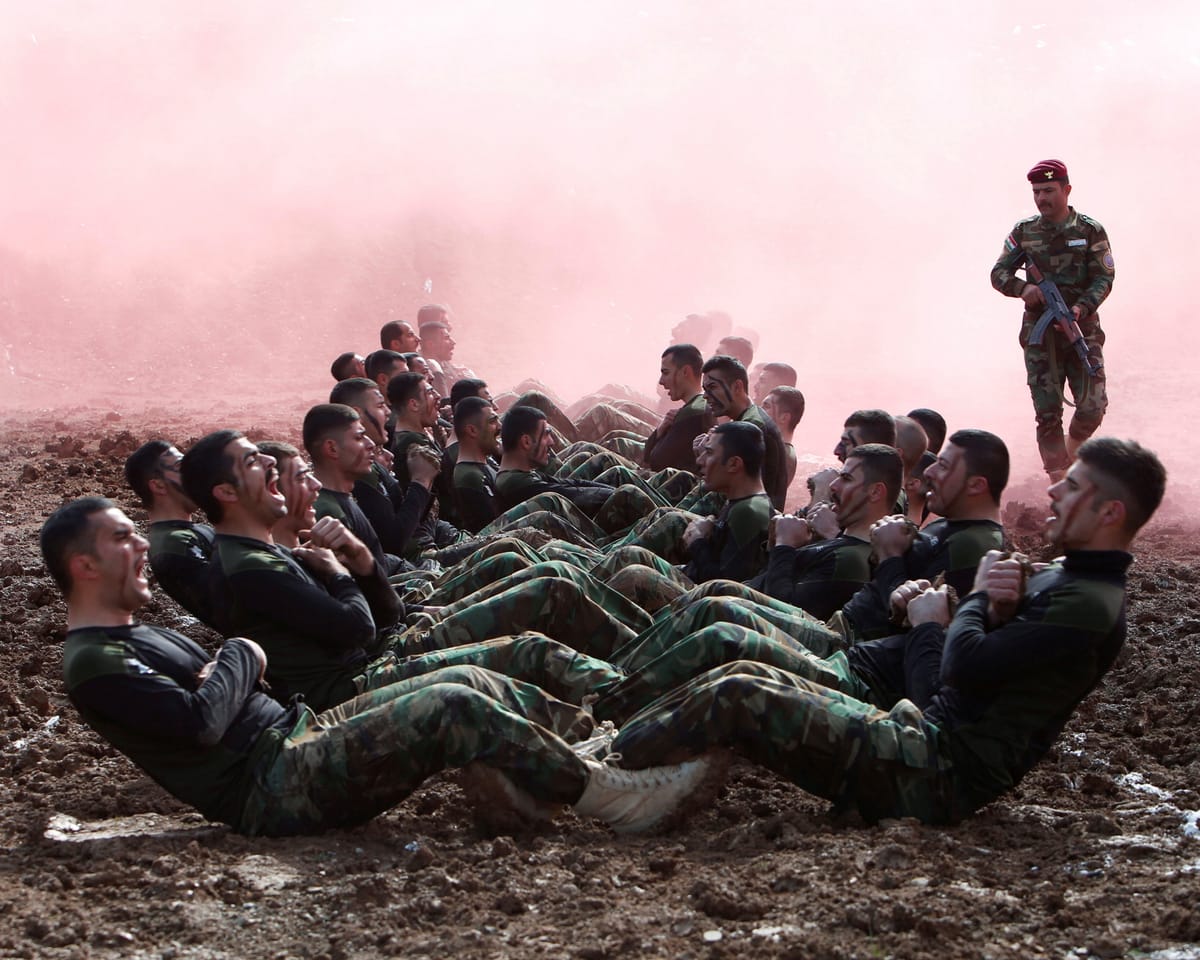
The Kurds constitute one of the largest peoples on the planet without a sovereign state. With a population estimated at 30‑40 million, most reside in the rugged terrain that straddles the frontiers of Armenia, Iraq, Iran, Syria and Turkey.
Kurds trace their origins to the Medes, an ancient civilization of the Near East. They became a stateless community about a hundred years ago as the modern borders of the Middle East were drawn from the ruins of the Ottoman Empire. Frequently caught in the violent power struggles of a turbulent region and often compelled to depend on their indigenous militia, the peshmerga, for protection, the Kurds claim that their harsh and often bloody past has taught them that “the mountains are their only friends.”
Although varied, Kurdish society shares a distinct culture: a language related to Persian with numerous dialects, its own music, cuisine and sense of identity. Kurdish nationalism emerged in the late‑19th century, yet aspirations for a homeland have been repeatedly thwarted, and pledges made over the past century by former colonial powers such as Britain and later the United States to back Kurdish statehood have never materialised. The majority are Sunni Muslims, alongside sizable religious minorities.
Since World War II, successive authoritarian regimes in the region have violently suppressed Kurdish populations, displacing and killing whole communities. External powers have repeatedly tried to manipulate the Kurds for strategic advantage, sowing division and rivalry, often with disastrous consequences for Kurdish towns and villages.
In Turkey, a protracted clash between security forces and the PKK—a left‑wing group that initially pursued an independent Kurdish state and later sought autonomy—has claimed more than 40 000 lives and displaced countless others in the country’s southeast.
In Iraq, Saddam Hussein deployed chemical weapons against Kurdish civilians in the north; after the 1991 Gulf War, the Kurds managed to carve out a semi‑autonomous region that they have administered ever since.
In Syria, attempts during the last decade’s civil war to establish a comparable enclave collapsed, despite the Kurds’ pivotal role as ground troops in the US‑led coalition that defeated the Islamic State in both Syria and Iraq.
That campaign, which cost many Kurdish lives, cemented the reputation of the peshmerga—literally “those who seek death”—as capable fighters whose knowledge of the terrain, mobility and resolve offset their modest armaments even against formidable foes. Their cooperation with US officials and military advisers also refined tactics that could be employed in the near future, should the current administration decide to enlist fighters from Iranian Kurdish opposition groups to challenge Tehran’s leadership.
With aerial backing and US advisers on the ground, the peshmerga could cross into Iran and hold territory in Kurdish‑populated zones, though any expectation of a deep advance beyond those areas remains doubtful.
Read next
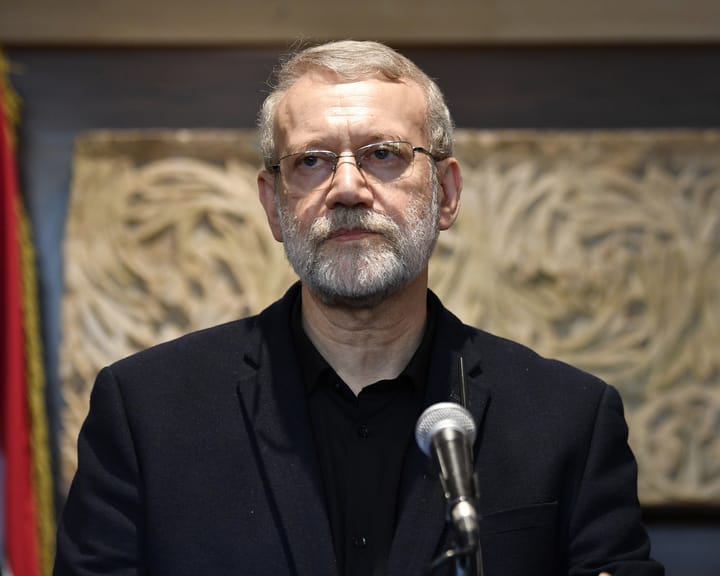
Live Middle East crisis: Iran promises retaliation for security chief's death; Israel hints at imminent strike on Beirut
Iran’s armed forces pledged retaliation for the death of security chief Ali Larijani in an Israeli strike, with the army commander warning of a “decisive and regrettable” response.
Tehran also verified that Basij commander Gholamreza Soleimani was killed, after Israel had earlier asserted that its forces carried out the
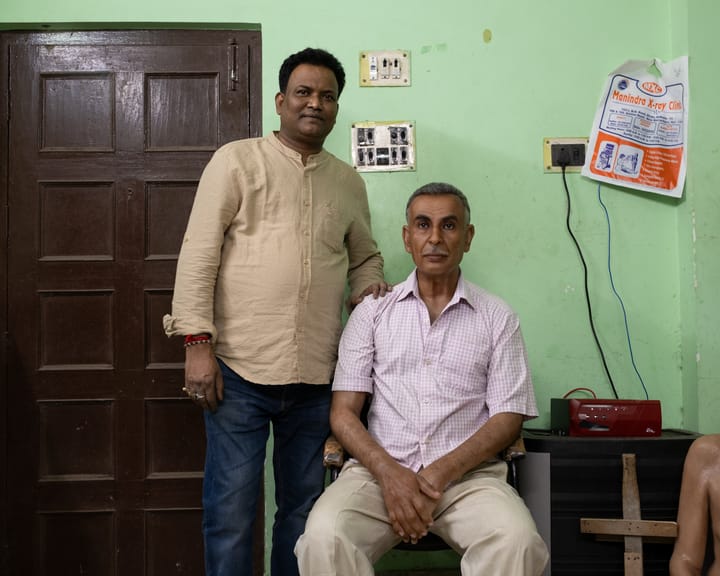
‘Almost human’: life-size replicas of the dead aid broken hearts in India
In northern Kolkata, close to Dum Dum Junction, Subimal Das and a team of about 80 operate out of an aging factory‑warehouse. With clay, fiberglass and silicone they produce life‑size copies of religious deities, cultural personalities, cricketers and film actors.
The workshop also offers a growing service: bespoke
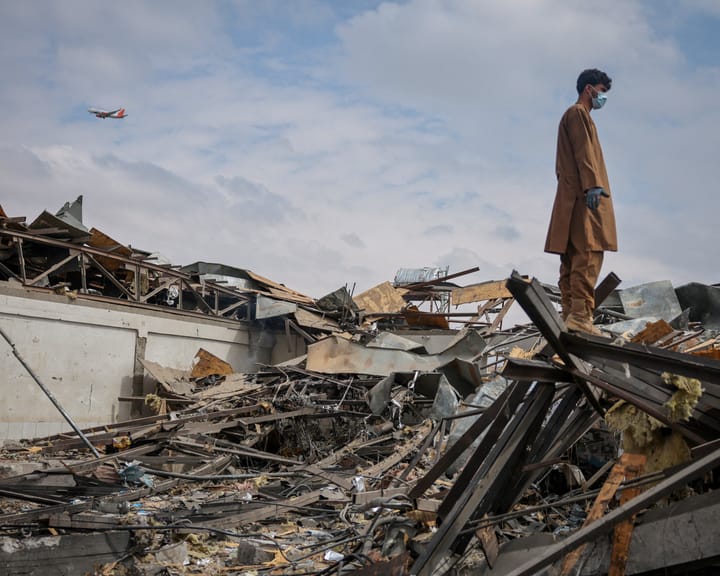
Witnesses say “Everything and people were burning” after strike on Kabul drug rehab centre.
Eyewitnesses and survivors have recounted the dreadful aftermath of a Pakistani air strike that struck a drug‑rehabilitation centre in Kabul, leaving more than 400 people dead, many of whom burned in their beds or were crushed as the structure collapsed.
Afghan rescue teams continued to pull bodies from the