
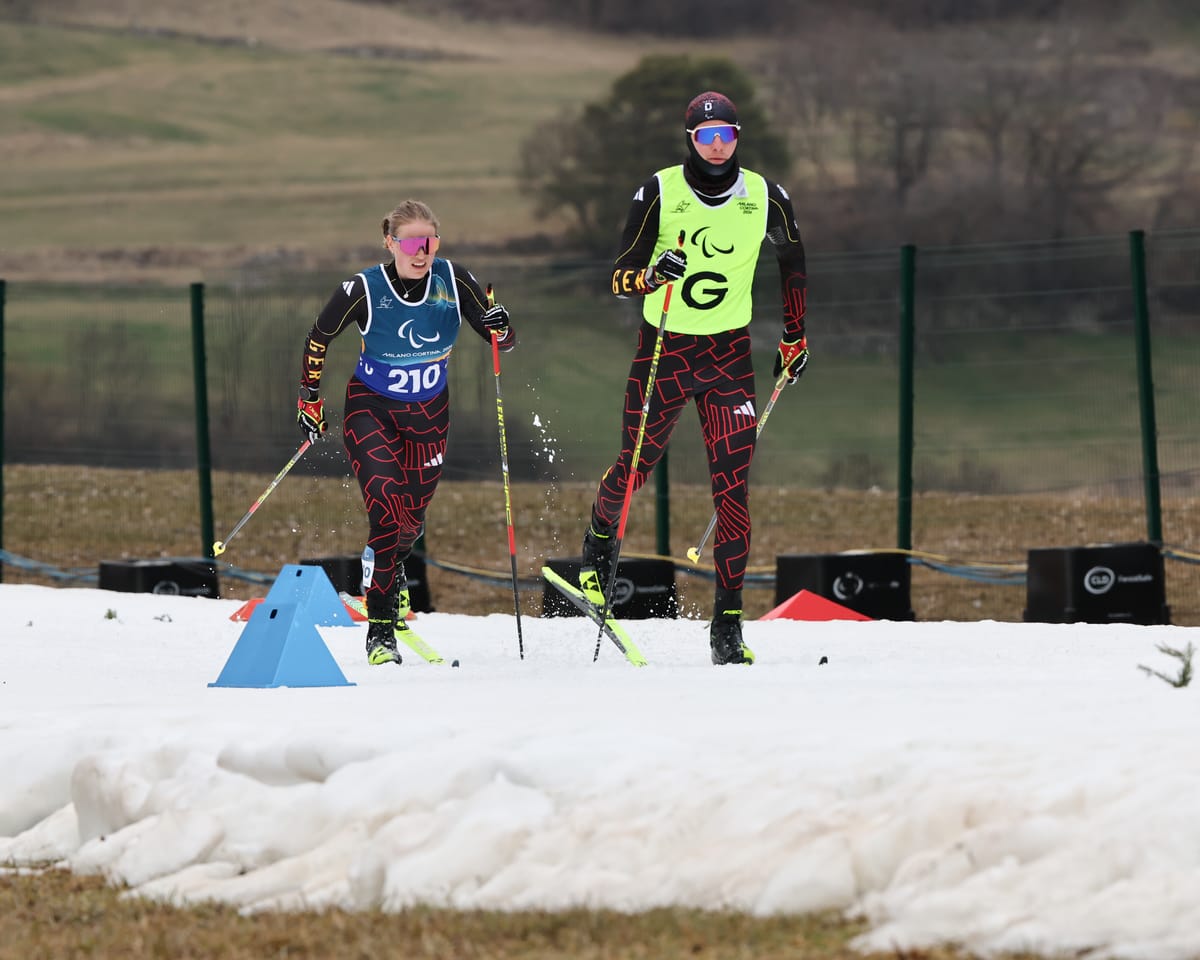
In Cortina d’Ampezzo, the thaw has arrived. Daytime temperatures are climbing into the double‑digit Celsius range, causing snow to melt from the slopes and the “torrenti” of runoff to begin flowing again.
Usually a period when snowfall can be at its peak, the region has seen none since the Winter Paralympics started, and the Games have felt the impact.
Last weekend the course at the Cortina snowboard park, situated about 1,450 m above sea level, had to be altered the night before competition because it became hazardous in training as snow melted and then refroze into ice. The changes did not prevent a series of crashes the next day, and British competitor Davy Zyw was among those taken to hospital with broken ribs.
In the men’s seated downhill on Monday, 11 of the 23 starters did not finish, with the surface described overall as “slush”. In a social‑media post, U.S. para‑snowboarder Amy Purdy echoed a sentiment shared by many athletes: “I don’t believe that the Paralympics should be happening right now,” she said.
The Winter Paralympics have never been held earlier than the first half of March in this century. The schedule has not shifted; the climate has.
Data from the U.S. nonprofit Climate Central show that the average March temperature in Cortina has risen by about 2.5 °C over the past 50 years since the Winter Paralympic Games were first hosted there.
The organization estimates that, of 93 locations once considered suitable for the Winter Olympics, 52 would still be viable by 2050, but only 22 would meet the requirements for March. The long‑forecasted pressure on winter sports from rising global temperatures is now evident, and the Paralympics are among the first to feel it.
When asked whether future editions might be moved to the colder months of January or February, the International Paralympic Committee said such a shift would be difficult. “We know climate change is affecting the world, and that’s why we are organising, committing ourselves and increasing our sustainability efforts. But changing the winter‑sport calendar is easier said than done,” a spokesperson explained.
“If we moved the Olympic Games forward, the Paralympics would follow, but those months are when winter‑sport federations hold their major competitions—World Cups, world championships and the like. Some broadcasters that carry these events also have other high‑profile sport finals around that time,” the spokesperson added.
Snow‑making machines now line the slopes as a routine part of modern winter sport, and both athletes and organisers have praised the course preparation here. Ironically, the amount of artificial snow produced at Milano Cortina fell short of earlier forecasts because of the heavy natural snowfall that arrived before and during the Games. Nevertheless, 1.8 million cubic metres of snow were required for the two events, compared with the 2.4 million cubic metres originally projected.
Read next
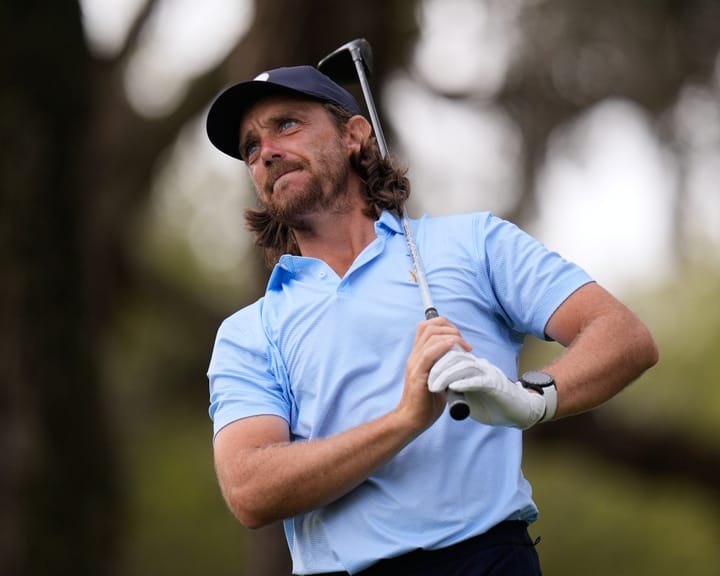
Tommy Fleetwood relieved as his family departs Dubai for the UK amid conflict
Tommy Fleetwood said he felt a wave of relief after his family managed to fly back to England from Dubai despite the turmoil in the Middle East. The world No. 3 has been playing in Florida while his wife, son and two stepsons tried to leave the home they have
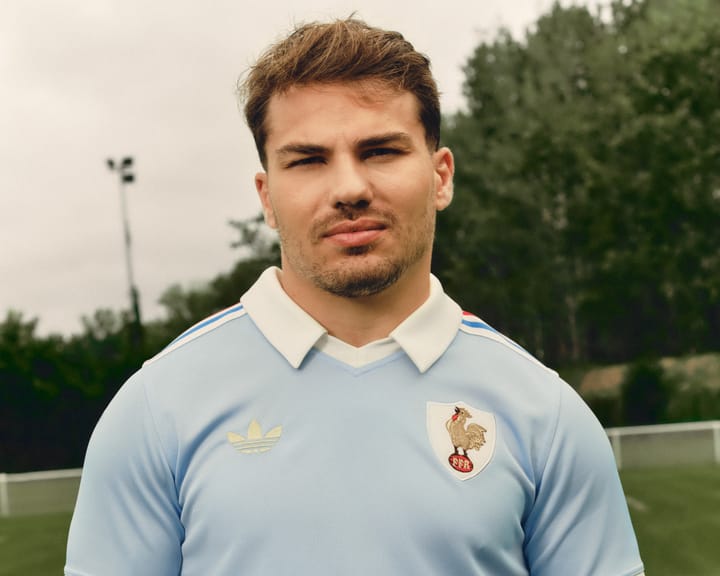
France to don pale blue kit in England clash amid looming kit dispute
England’s Six Nations showdown in Paris on Saturday might turn into a comedy of errors as France prepare to sport a commemorative pale‑blue jersey that could conflict with the white uniform worn by Steve Borthwick’s team.
Fabian Galthié’s side has announced it will wear the anniversary
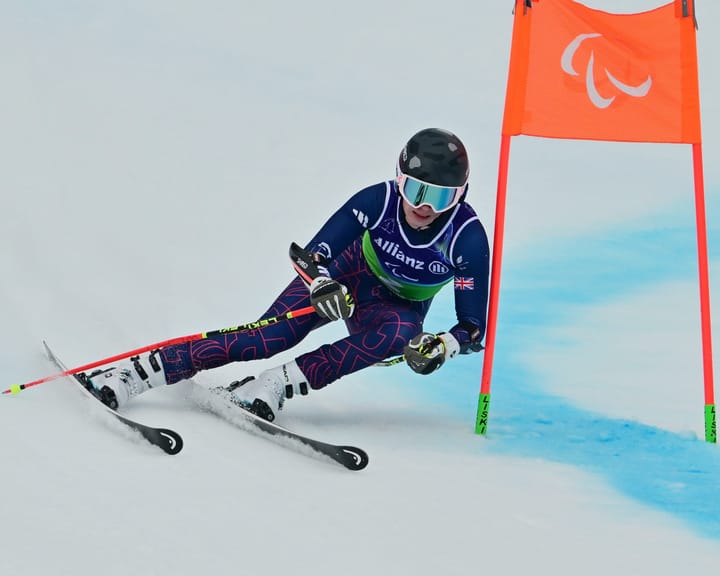
Speeding Trust: Bluetooth Link Guides Skier Neil Simpson to Victory
Neil Simpson and his guide Robert Poth captured silver on Tuesday at the Winter Paralympics, delivering Great Britain its inaugural medal of the competition. Yet watching visually‑impaired alpine skiers tear down the Dolomite slopes at speeds approaching 100 km/h serves as a stark reminder that every competitor deserves