
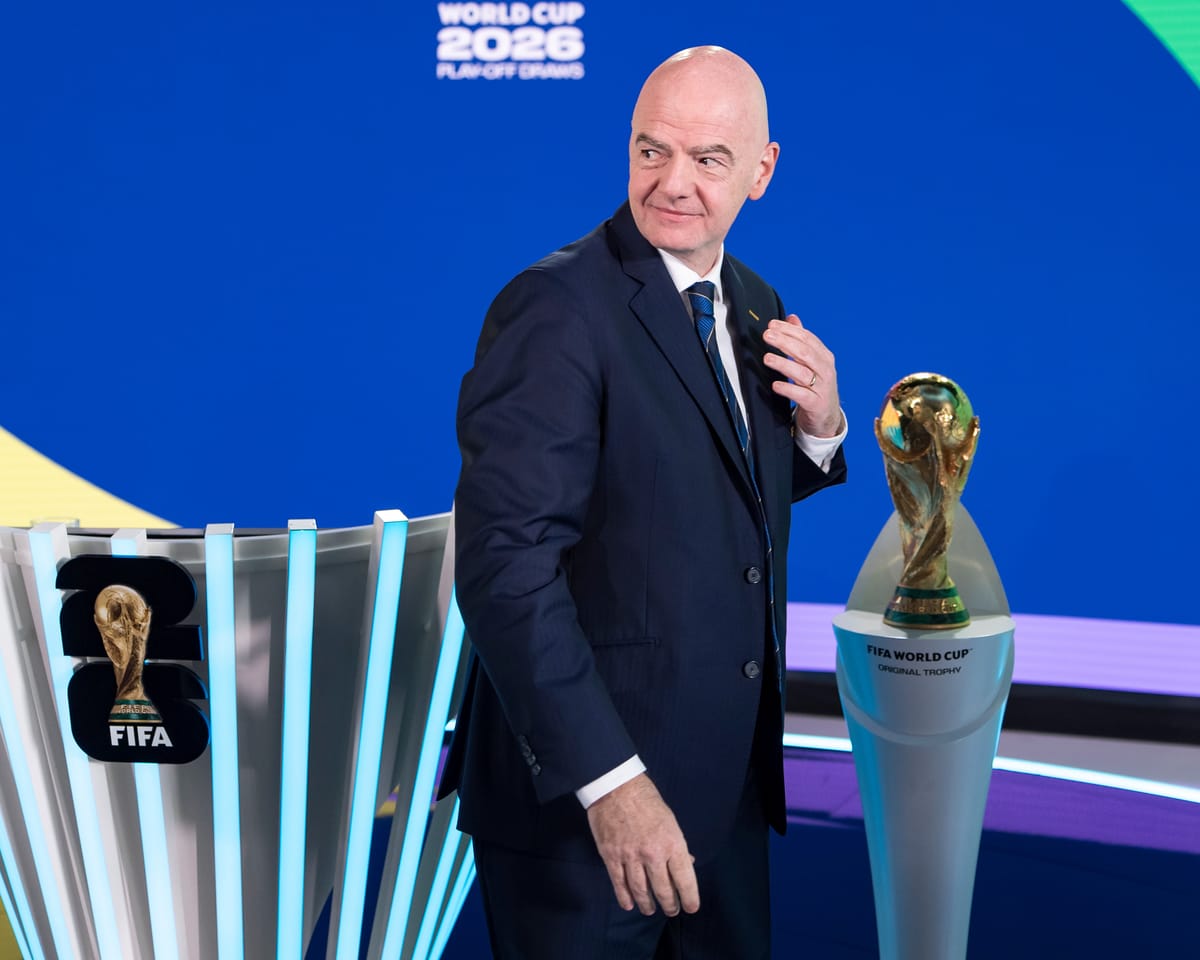
The ritual unfolds with plastic spheres rolling in glass containers, evoking a sense of destiny. Ominous music swells, creating a moment when universal mysteries seem briefly unveiled—as if destiny itself might materialize, deciding fates with threads and shears.
A World Cup draw represents flawless possibility, an untouched vision before real-world complications arise. Every player is fit; every nation embodies its ideal form, free from injuries, disputes, or distractions. It’s football at its purest potential. Friday’s draw will sharpen focus on next summer’s tournament, making distant dates suddenly tangible.
Beyond revealing matchups, the event offers early clues about the host’s ambitions. When the U.S. last hosted in 1994, it embraced spectacle and national flair, staging the draw in Las Vegas—a city synonymous with chance.
Pelé, still one of few globally recognized football figures in America then, was absent after accusing FIFA’s then-leader, João Havelange, of misconduct. Celebrities like Faye Dunaway, Robin Williams, Beau Bridges, gymnast Mary Lou Retton, and boxer Evander Holyfield joined legends Franz Beckenbauer, Eusébio, and Bobby Charlton in hosting, aiming to captivate skeptics through star power alone.
The strategy partially succeeded, even as Germany’s opening 1-0 victory over Bolivia was eclipsed by O.J. Simpson’s televised car chase.
Jules Rimet, the FIFA president instrumental in creating the World Cup, grasped the ritual’s symbolic weight. Disturbed by the fascist spectacle of Italy’s 1934 tournament, he skillfully secured France as the 1938 host over Nazi Germany, preventing the event from mirroring Berlin’s 1936 Olympic propaganda.
To underscore purity, Rimet deployed his six-year-old grandson Yves at Paris’s Quai d’Orsay. The boy, hair neatly combed, wore formal attire and knee socks while cheerfully extracting balls from a vase like sweets from a jar.
Later decades saw FIFA officials stiffly presiding before departure-board-like displays, long before celebrity hosts like David Beckham, Gary Lineker, Charlize Theron, or Fernanda Lima became fixtures.
The 1982 draw marked a peak, blending globalist pomp with borderless enthusiasm. Havelange loomed, imposing and sharp-featured—a figure fit for intrigue...
Read next
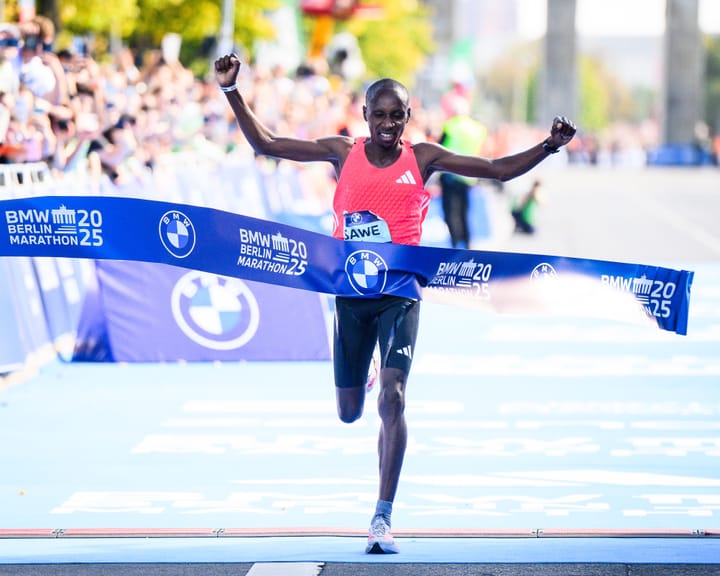
Marathoner Sebastian Sawe Pushes for Frequent Doping Tests
Kenyan Runner Calls for Rigorous Doping Scrutiny Amid National Crisis
When elite marathon athlete Sabastian Sawe recently declared doping “a cancer,” his conviction carried uncommon weight. Not only did he affirm his own integrity, but he also proactively requested intensified testing by the Athletics Integrity Unit (AIU) ahead of Berlin’
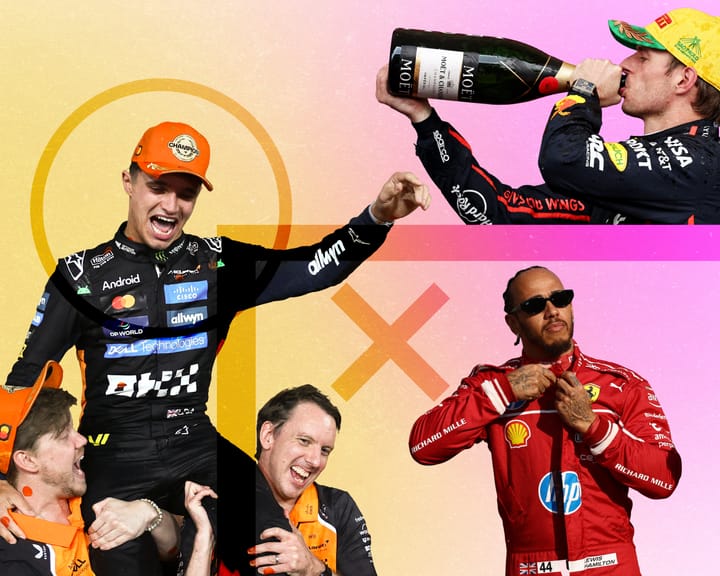
Lando Norris Claims F1 2025 Honors After Hard-Fought Three-Way Battle
Lando Norris entered the season as the anticipated leader and ultimately prevailed after an intense competition. Claiming his first championship proved challenging, given the fierce challenge from McLaren teammate Oscar Piastri and Red Bull’s Max Verstappen. His final victory reflected a driver who held composure and belief even when
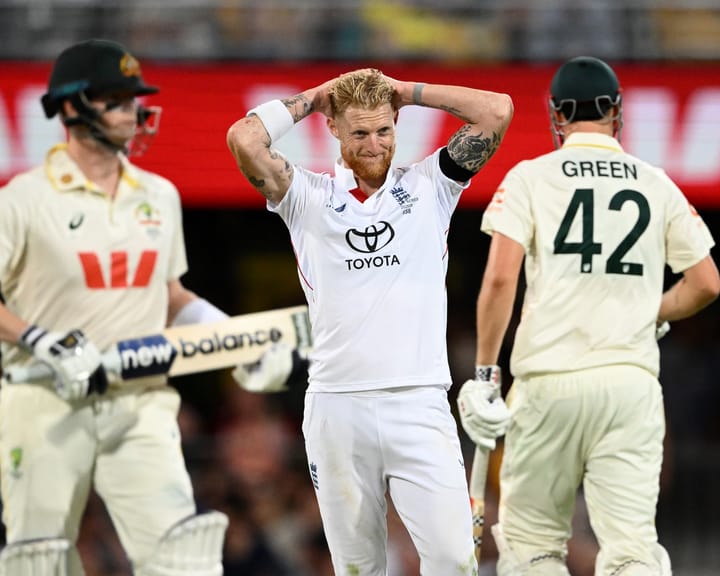
Dropped chances cost England as Australia builds lead in second Ashes Test
The ball was pink and the intervals unconventional, but much of the second day in this crucial day-night Test saw England’s supporters endure a drearily familiar spectacle at the Gabba.
The celebration following Joe Root’s century 24 hours earlier faded, replaced by growing unease. England’s bowlers frequently