

The conflict in the Middle East has thrown financial markets into disarray for a second consecutive day, with oil and gas prices climbing, global equity markets sliding and the odds of a UK interest‑rate cut later this month sinking.
London’s share market has plunged deep into the red, casting a bleak shadow over the chancellor’s spring outlook at 12.30 pm GMT. The FTSE 100 shed roughly 280 points on Tuesday morning, slipping to 10,501 – a 2.6 % fall – and positioning it for its poorest session in 11 months, since the “liberation day” tariff shock of April 2025. Nearly every share declined.
In Asia, equity markets also slumped, with Japan’s Nikkei down 3.1 % and South Korea’s Kospi tumbling 7.2 %.
Brent crude, the world’s oil benchmark, rose another 5.5 % to $82.02 a barrel on Tuesday. The forward‑looking UK gas price jumped 30 % to 148 pence per therm, adding to Monday’s 44 % surge and pushing it close to double last week’s level – a three‑year peak.
Escalating global energy costs threaten Rachel Reeves’s strategy to tame inflation and revive sluggish UK growth, economists caution.
The pound has slipped to its weakest level against the US dollar in almost three months. Sterling is down 0.8 % against the dollar, roughly one cent, to $1.33 on Tuesday morning.
Bitcoin dropped 2.5 %, while gold – which had risen on Monday amid a rush to safe‑haven assets – fell 1.1 % to $5,266 an ounce.
UK government borrowing costs also climbed on Tuesday morning. The yield on two‑year gilts rose 13.5 basis points, the 10‑year yield jumped 11 bps and 30‑year yields were up 9 bps. The City now sees a rate cut as far less probable, given concerns over a possible inflation spike.
As the hostilities, ignited by US‑Israeli airstrikes on Iran since Saturday, have spread across the region, with Israel launching fresh attacks on Tehran and Beirut on Tuesday, money markets now assign only a 29 % chance that the Bank of England will lower rates at its next meeting on 19 March – down from 80 % a week earlier.
This will disappoint borrowers hoping for cheaper financing and deals a blow to Reeves, who has claimed credit for the six rate cuts since August 2024 and pledged to address the cost‑of‑living squeeze.
Higher oil and gas prices are expected to push UK inflation upward, after it fell to 3 % in January from 3.4 % in December.
Jess Ralston, head of energy at the Energy and Climate Intelligence Unit, said: “The energy crisis commission warned that the UK remains dangerously under‑prepared for another energy emergency. No one can predict exactly how the coming weeks will unfold, but with households and firms still coping with the debt and fallout from the last gas crisis, concerns are understandable.”
Markets also foresee fewer US rate cuts this year. At the close of last week, swaps markets priced in 61 basis points of cuts by the US central bank; that expectation has slipped to 46 basis points.
Read next

McDonald’s CEO’s clumsy taste test draws online ridicule, with critics quipping “His aura screams kale salad.”
Business executives are increasingly appearing on camera to seem more approachable to an audience that lives on social media. When the effort succeeds, it can generate a lot of attention; when it fails, it can invite online mockery.
That is the situation facing Chris Kempczinski, the chief executive of McDonald’
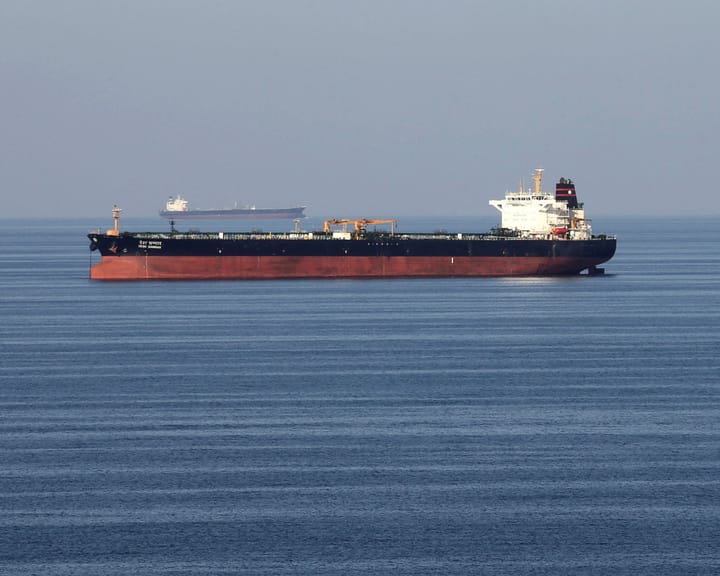
Maritime insurers drop war‑risk coverage in Gulf amid Iran conflict disrupting shipping
Leading maritime insurers have withdrawn war‑risk coverage for vessels sailing in the Gulf as the intensifying Iran conflict has disrupted shipping and driven up freight rates.
At least 150 ships, including oil and liquefied natural gas tankers, have anchored in the Strait of Hormuz and nearby waters.
The crucial
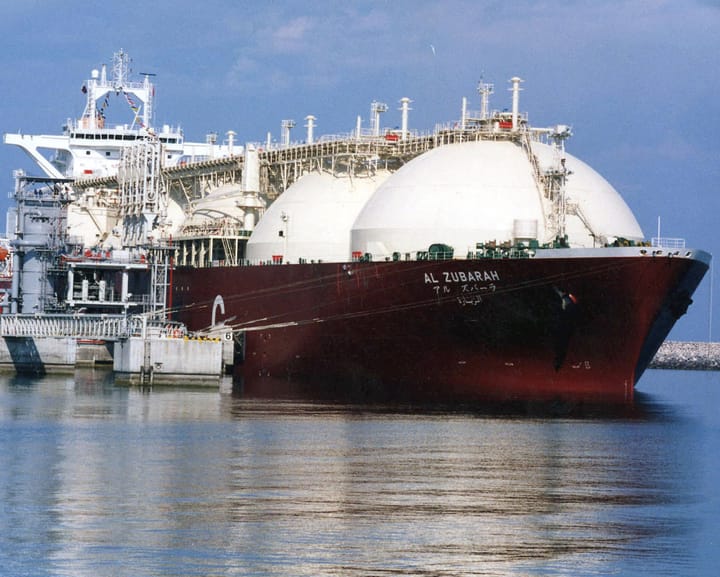
Iran war's gas shock—rather than oil—appears more dangerous
Oil prices dominate the energy discussion during Middle‑East conflicts for obvious reasons: the commodity still powers the global economy, and analysts have fairly dependable models linking each $10‑per‑barrel rise to slower growth and higher inflation.
Consequently, we are far from entering “oil‑shock” territory. Monday’s climb