
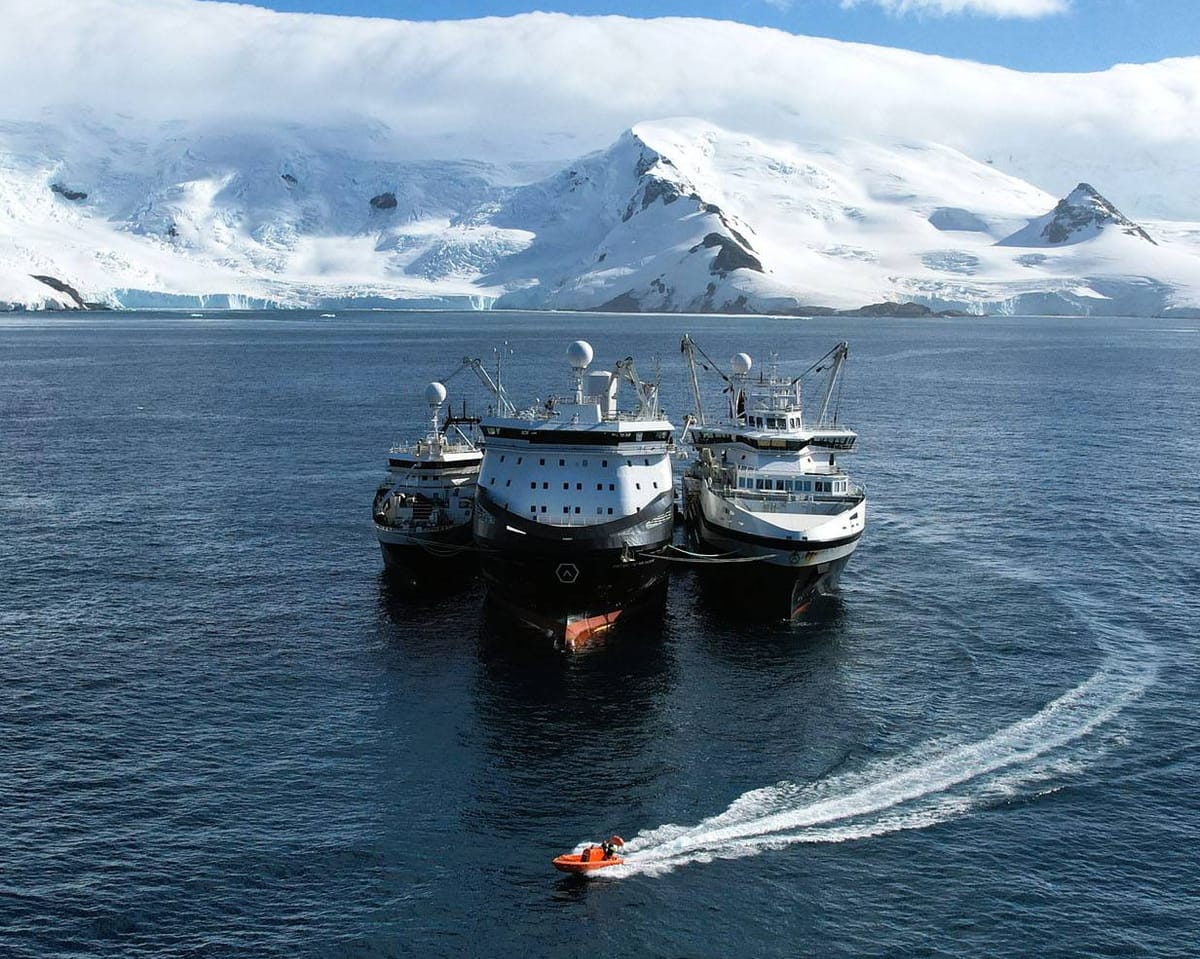
Environmental organisations have challenged the proposal to grant a “blue tick” sustainability label to a Norwegian krill‑fishing giant, citing worries about concentrated harvest pressure and rapid climate‑induced changes to Antarctica’s delicate ecosystem.
Norway’s Aker KRILL, the planet’s biggest krill harvester—a small crustacean that underpins Antarctica’s ecosystem—and its affiliate Aker BioMarine, supply feed additives for aquaculture and dietary supplements for animals and people.
Since 2010 their krill products have borne the “blue tick” label administered by the Marine Stewardship Council (MSC), a non‑profit fishery certification body.
Aker is currently undergoing a new assessment of its eligibility for the blue tick scheme by an independent auditor.
Environmentalists argue that since Aker last received MSC certification for a “sustainable and well‑managed” fishery in 2020, overall management of the Antarctic krill fishery has deteriorated because conservation measures have lapsed.
Holly Curry, marine‑protected‑areas campaign director for the Antarctic and Southern Ocean Coalition (Asoc), a conservation charity, said: “The Antarctic and Southern Ocean Coalition opposes the recommendation to recertify the Antarctic krill fishery.”
Rhona Kent, polar oceans programme manager at WWF‑UK, said: “To safeguard this remarkable species and the broader ecosystem, WWF urges an immediate moratorium on krill fishing and a review of the MSC sustainability certification until more precautionary management measures are adopted by CCAMLR.”
CCAMLR, the Commission for the Conservation of Antarctic Marine Living Resources, was created to shield the region from overexploitation.
In 2024 a crucial “conservation measure” that required spreading krill catches across several Southern Ocean zones to prevent local depletion lapsed because of political deadlock. China and Russia, two CCAMLR members, blocked renewal of the restriction on krill fishing that year. In 2025 the parties again failed to reach agreement on such measures.
The impasse has heightened worries about local krill shortages in key feeding grounds, threatening the primary food source for whales, penguins and seals.
Last year scientists from the British Antarctic Survey warned that climate‑driven changes in Antarctica are occurring faster than anticipated, putting essential krill populations—an important climate buffer—under growing threat.
Consequently, Asoc and WWF oppose any MSC recertification of Aker’s fishery. Asoc has written to the independent assessors and to MSC, arguing that the present review overlooks escalating climate concerns and the expired conservation measure.
Read next
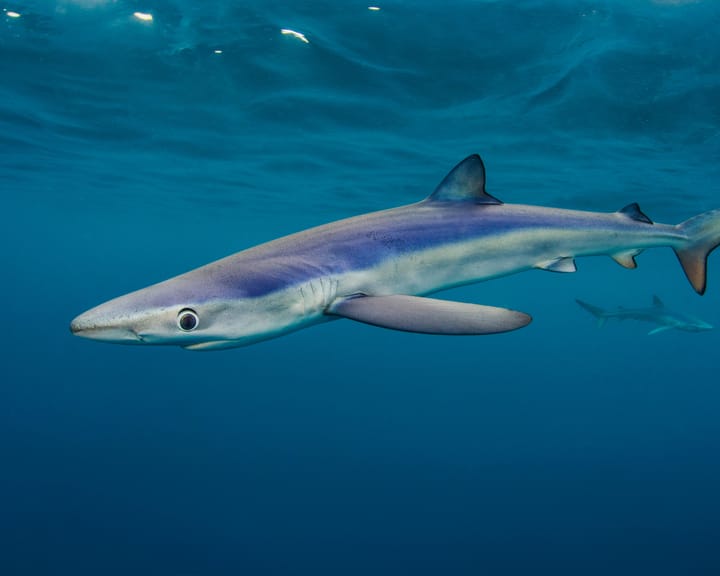
Three-year project lifts lid on Britain’s little-understood shark species
Shark Scientists Turn to Anglers for Answers on Vulnerable Species
Dr Lucy Hawkes, associate professor at the University of Exeter, is co-leading a new three-year project to study some of England’s most vulnerable shark species. “I like the porbeagle, which looks like a baby great white shark,
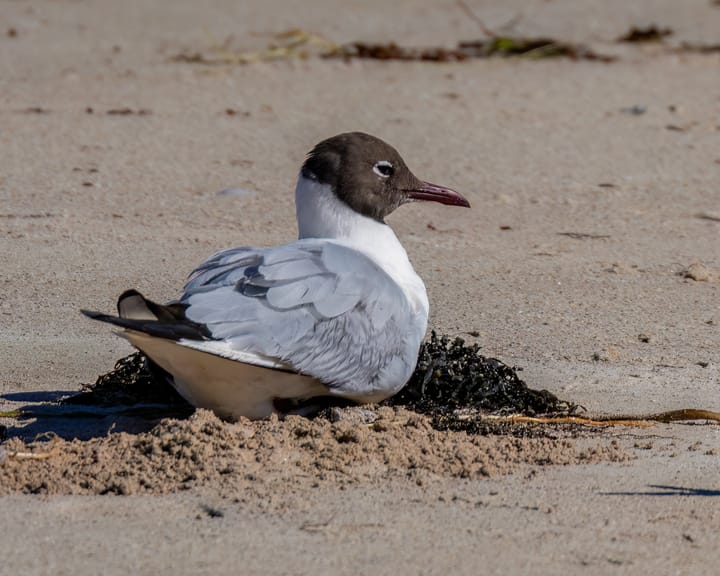
Rare gull drifts thousands of kilometres to Australia, making birdwatching an 'extreme sport'
A rare seabird has created excitement among birdwatchers after appearing on the coast of Western Australia, thousands of kilometers away from its typical migration route.
The black-headed gull, a species that generally migrates between Asia and Europe, was spotted in Geraldton. The sighting was first shared on a local

Why U.S. Cities Prioritizing Cars Lag Behind Global Peers in Public Transit
The only train station in Houston, the US’s fourth‑largest city and one of the fastest‑growing conurbations in the country, is a diminished, morose sight. Intercity trains arrive at this squat, shed‑like Amtrak building, which cringes in the shadows of roaring highways, just three times a week.