
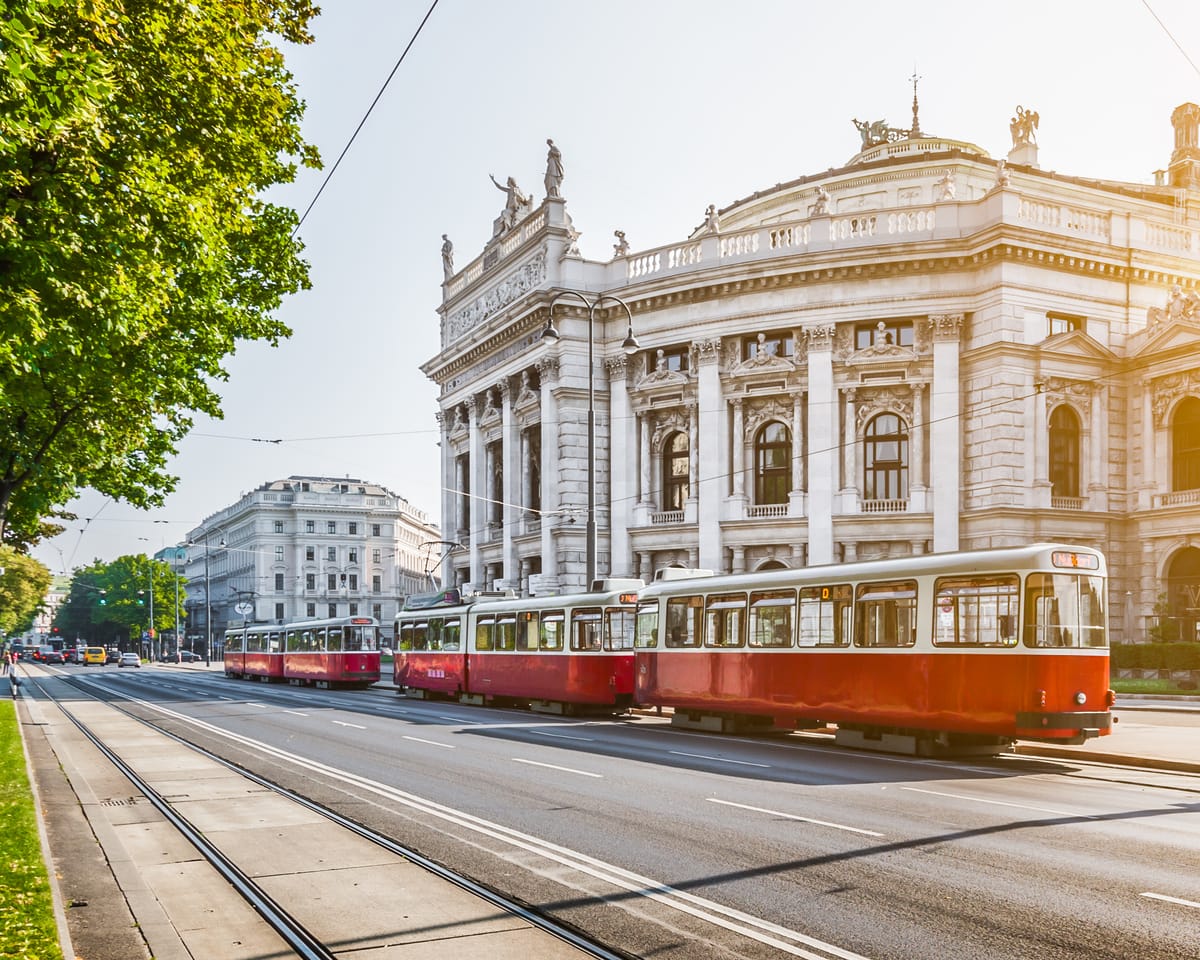
When Leonore Gewessler rides Vienna’s punctual underground trains and street‑level trams, she values the convenience, low cost and the time she “receives as a gift” rather than wasting it in traffic jams. Yet Austria’s former climate and transport minister recognises that cars still dominate the city’s streets. She argues that an efficient public‑transport system is merely the “precondition” for shifting how residents travel.
Vienna’s rail, tram and bus network has long been admired by other European cities – and far surpasses car‑focused North American metros – but automobiles still account for a quarter of all trips. In other capitals celebrated for top‑tier transit, such as London, Paris and Prague, even higher car usage has irritated health professionals and activists calling for cleaner air and safer roads.
Transport scholars say this illustrates the ceiling of what can be achieved by promoting clean travel options while leaving polluting ones untouched. Beyond a certain point, further upgrades to one mode become “a sort of zero‑sum game”, notes Giulio Mattioli, a researcher at Dortmund’s Technical University.
“That is what unfolded in our cities during the 20th century,” he explains. “To make driving reliable and convenient, we made alternative modes less reliable and convenient – for instance, by allocating street space preferentially to cars. Reversing the trend would require reclaiming some of that space.”
Vienna pioneered urban planning that puts people before vehicles, yet its celebrated transit system originated in tram lines laid when it was still the thriving capital of the Austro‑Hungarian Empire. Unlike most European capitals, its early infrastructure has faced little strain from population growth – the city’s population has not yet returned to its pre‑World‑War‑I peak – and it retained many tram lines through the car‑centric rebuilding after World War II. The network has since expanded with a substantial and growing subway system.
Today the subway forms the backbone of Vienna’s transport, while trams are described by Johannes Kehrer, head of strategic infrastructure at Wiener Linien, the operator, as the city’s “sleeping superpower”. He adds that they still hold the potential to become faster and to extend further.
Vienna aims to cut the share of private‑car journeys within the city from 25 % to 15 % by the end of the decade. Direct comparisons with other cities are difficult, but only a few major European metropolises have reduced car use below 30 % of trips. In the United States, survey‑based analysis shows cars still represent more than 90 % of journeys.
Read next

Three-year project lifts lid on Britain’s little-understood shark species
Shark Scientists Turn to Anglers for Answers on Vulnerable Species
Dr Lucy Hawkes, associate professor at the University of Exeter, is co-leading a new three-year project to study some of England’s most vulnerable shark species. “I like the porbeagle, which looks like a baby great white shark,

Rare gull drifts thousands of kilometres to Australia, making birdwatching an 'extreme sport'
A rare seabird has created excitement among birdwatchers after appearing on the coast of Western Australia, thousands of kilometers away from its typical migration route.
The black-headed gull, a species that generally migrates between Asia and Europe, was spotted in Geraldton. The sighting was first shared on a local
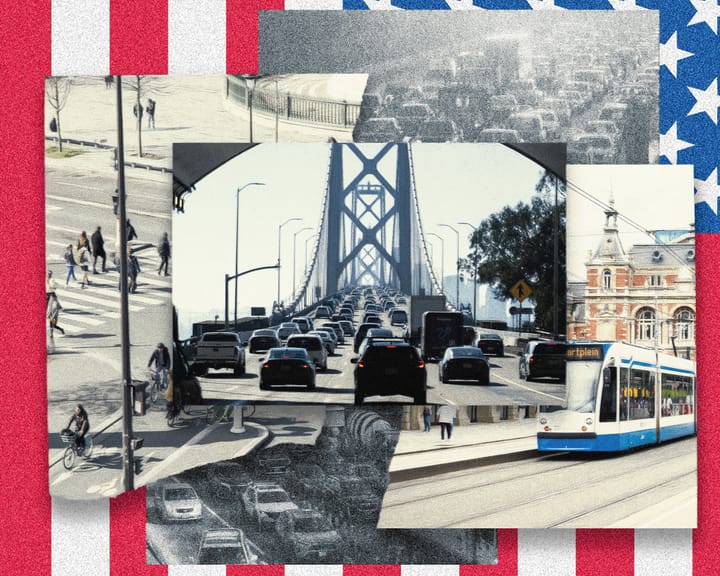
Why U.S. Cities Prioritizing Cars Lag Behind Global Peers in Public Transit
The only train station in Houston, the US’s fourth‑largest city and one of the fastest‑growing conurbations in the country, is a diminished, morose sight. Intercity trains arrive at this squat, shed‑like Amtrak building, which cringes in the shadows of roaring highways, just three times a week.