
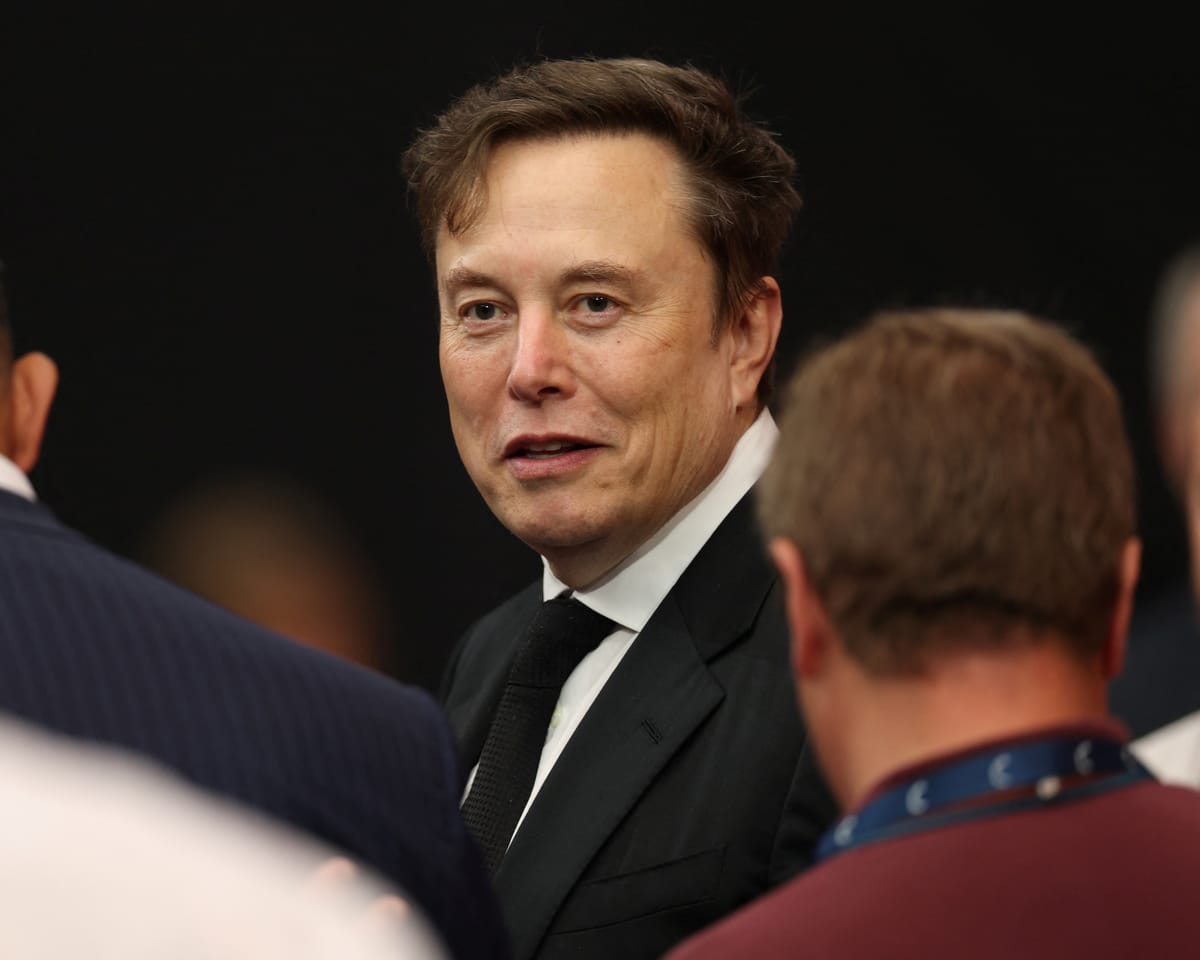
# Elon Musk and X Reach Settlement with Former Twitter Executives Over Severance Dispute
Elon Musk and X have resolved a legal dispute with four former high-ranking executives of Twitter, including the company’s ex-CEO, who alleged that the billionaire withheld $128 million in severance payments after acquiring the social media platform in 2022 and terminating their employment.
The former executives claimed Musk wrongly accused them of misconduct and ousted them following their legal challenge against his attempt to back out of the purchase agreement. The individuals involved are Parag Agrawal, Twitter’s former CEO; Ned Segal, its former chief financial officer; Vijaya Gadde, its former chief legal officer; and Sean Edgett, its former general counsel. Musk and X maintain that the dismissals were performance-related and deny any wrongdoing.
The terms of the settlement, initially noted in a filing last week in a federal court in San Francisco, were not made public.
According to the lawsuit, Musk refused to honor severance agreements that had been promised to the executives long before his acquisition of Twitter. The plaintiffs argued they were entitled to a year’s salary each, along with stock options valued at hundreds of thousands of dollars. Representatives for X and the former executives did not immediately provide comments on the resolution.
This follows another settlement reached in August, when X agreed to resolve a separate case involving former Twitter employees who were laid off en masse and claimed they were owed $500 million in unpaid severance. These lawsuits represent some of the legal disputes Musk has encountered since purchasing Twitter for $44 billion in 2022, cutting over half its workforce, and rebranding the platform as X.
Read next
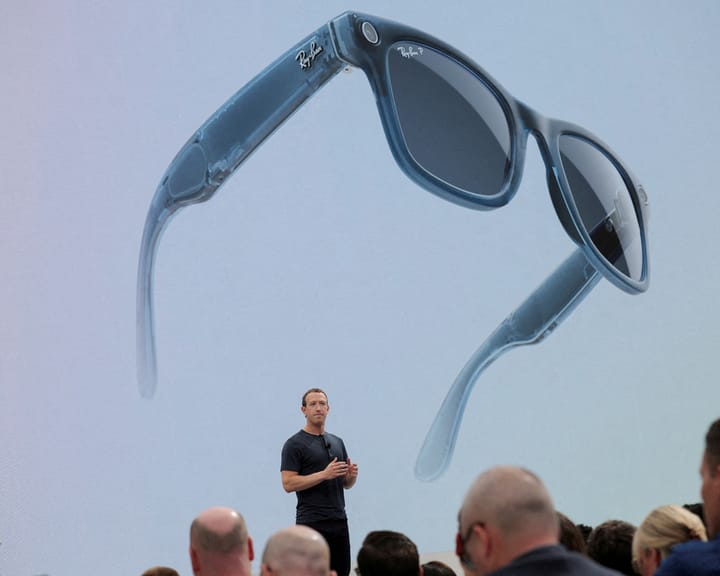
US officers worry Meta smart glasses could covertly record them
In January, the NYPD’s counterterrorism unit warned officers about a new security threat: Ray-Ban Meta glasses. A memo directed officers to “conduct thorough inspections of all eyewear permitted within inmate cells,” cautioning that recently arrested individuals could use the devices’ small cameras and microphones to record inside police
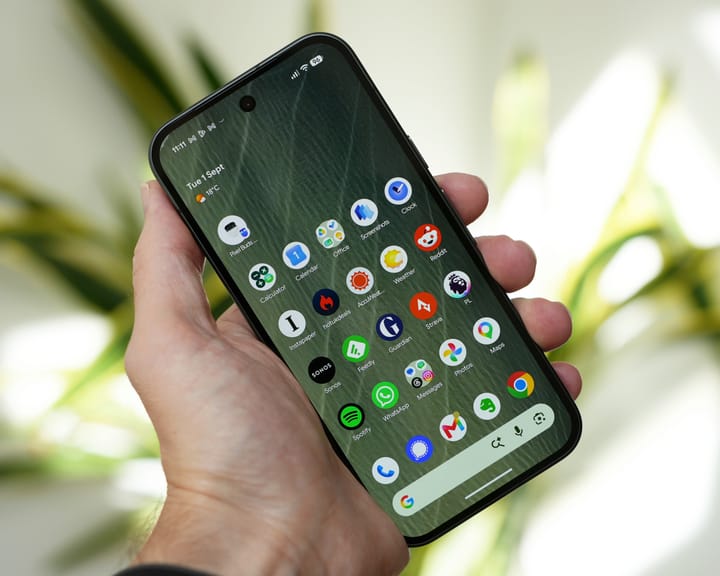
Google's Pixel 11 sets new standard for flagship phones, review finds
Google’s Pixel 11 continues to define what a base flagship phone should deliver, with leading cameras, extended software support and nearly all the features of its pricier siblings.
The standard Pixel 11 is priced at £879 (€999/$899/A$1,499), £80 higher than its previous version, reflecting ongoing

AI Expert Father of Three Shares Essential Insights for Parents on Artificial Intelligence
A father once promised his child they would write a story together called "The Day Nobody Went to Disneyland." The plot imagined a perfect day when the entire world avoided the park, expecting crowds, leaving it completely empty for a father and child to enjoy alone. Three decades