

Thousands of demonstrators gathered in central Seoul on Saturday, holding Korean and American flags, red caps, and signs commemorating a deceased conservative figure.
They carried posters with slogans like “Korea for Koreans,” while shouts against a neighboring country and demands to remove supporters of a certain political ideology mixed with derogatory chants.
The protests highlight rising tensions at an inconvenient moment for South Korea, just days before it hosts a major international summit in Gyeongju, where leaders from two global powers are expected to meet.
The country’s leader, who has focused on improving relations with Beijing, called the demonstrations "harmful" and damaging to national interests and the country’s reputation at a critical time.
The unrest prompted the Chinese embassy to issue a safety alert earlier this month, with one senior diplomat blaming "certain outlets and groups" for spreading false claims, including allegations of election meddling for political gain.
Long-standing tensions have been fueled by disagreements over economic measures taken after Seoul installed a foreign missile defense system, unauthorized fishing in its waters, and disputes over cultural heritage. Analysts say these issues are now being exploited by a resurgent conservative movement in South Korea.
The shift in public opinion has been significant. Negative views toward China have risen sharply over the past decade, growing from 16% in 2015 to over 71% in recent years, according to polling data.
The latest protests were partly driven by claims made by a former leader about foreign political influence and alleged interference in elections, which led to an unsuccessful attempt to impose emergency measures late last year.
His rhetoric inspired a new youth-led conservative organization, now mobilizing supporters in weekly demonstrations.
While the broader movement, which idolizes the U.S. and frames opposition to a rival ideology as a moral duty, remains influential, this younger faction operates online in an atmosphere saturated with theories advocating nationalistic opposition to outside influence.
Recent Escalation
Protests grew after authorities eased travel restrictions for visitors from China in September to support the economy. Critics argue the move undermines national security.
Experts note that younger citizens, struggling with joblessness and rising living costs, are particularly drawn to arguments blaming China for economic challenges and societal shifts.
“These demonstrations reveal deeper concerns over South Korea’s position as global tensions rise,” said an international relations professor at a Seoul-based university.
“They seem to channel long-standing frustrations tied to politicized issues since the pandemic, including tourism policies, migration, and disputes involving cultural and historical claims.”
Read next
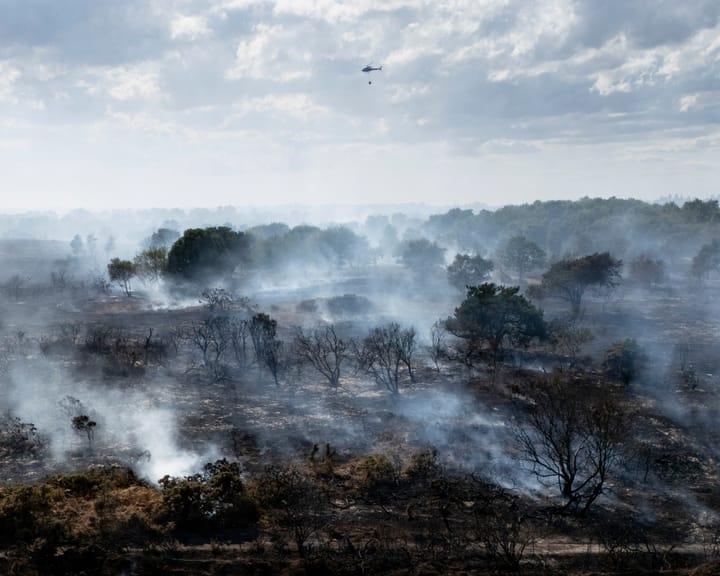
July 2026 Marks Worst On-Record Wildfires in England, Data Reveals
July 2026 saw the highest number of wildfires in England on record, with provisional data indicating a clear increase in the annual total. The UK experienced extreme vulnerability to climate change, as severe heat and dry conditions turned vast countryside areas into a tinderbox. This summer marked England's
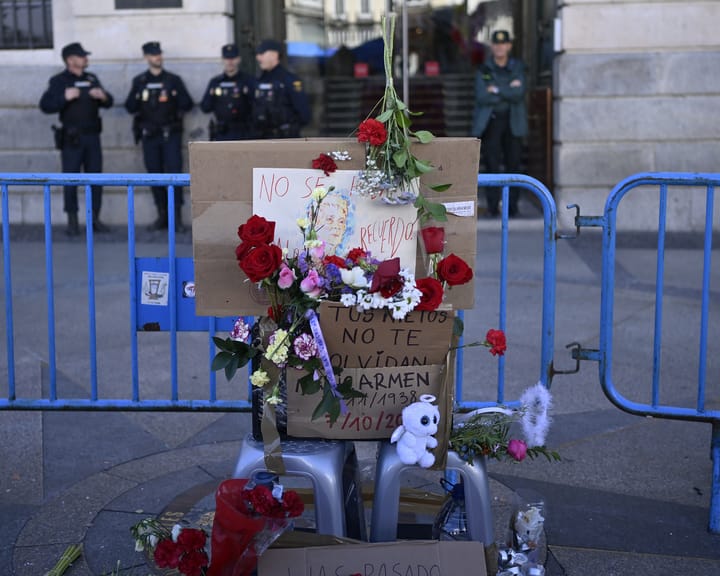
Thousands Protest in Madrid Following Death of Evicted Pensioner Maricarmen
Thousands are expected to march through Madrid on Thursday evening to honor María del Carmen Abascal, an 87-year-old whose eviction from her apartment, two weeks before her death, highlighted Spain’s housing crisis. Abascal's flat had been acquired by an investment firm that sought to increase
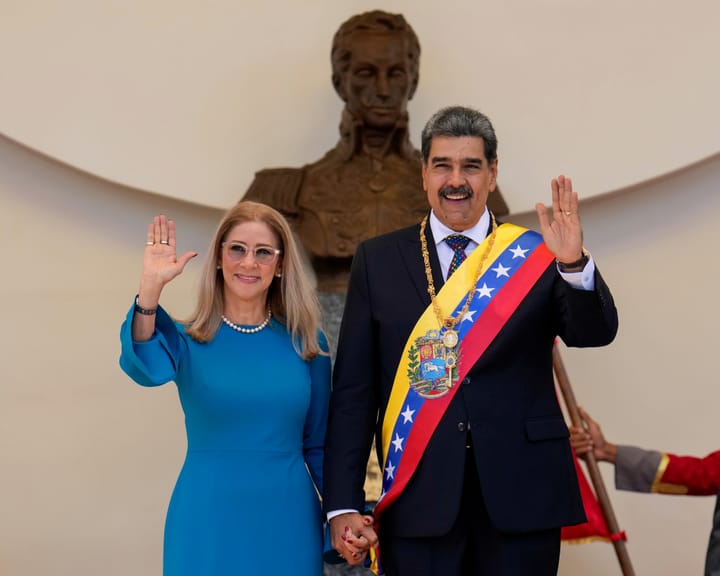
Maduro’s Wife to Seek Release from New York Detention in Court Appearance
Cilia Flores, the wife of former Venezuelan President Nicolás Maduro, was scheduled to appear in court, where her legal team will request her release from custody due to her heart condition, proposing house arrest instead.
Flores and Maduro have been detained in New York since early January, following a raid