
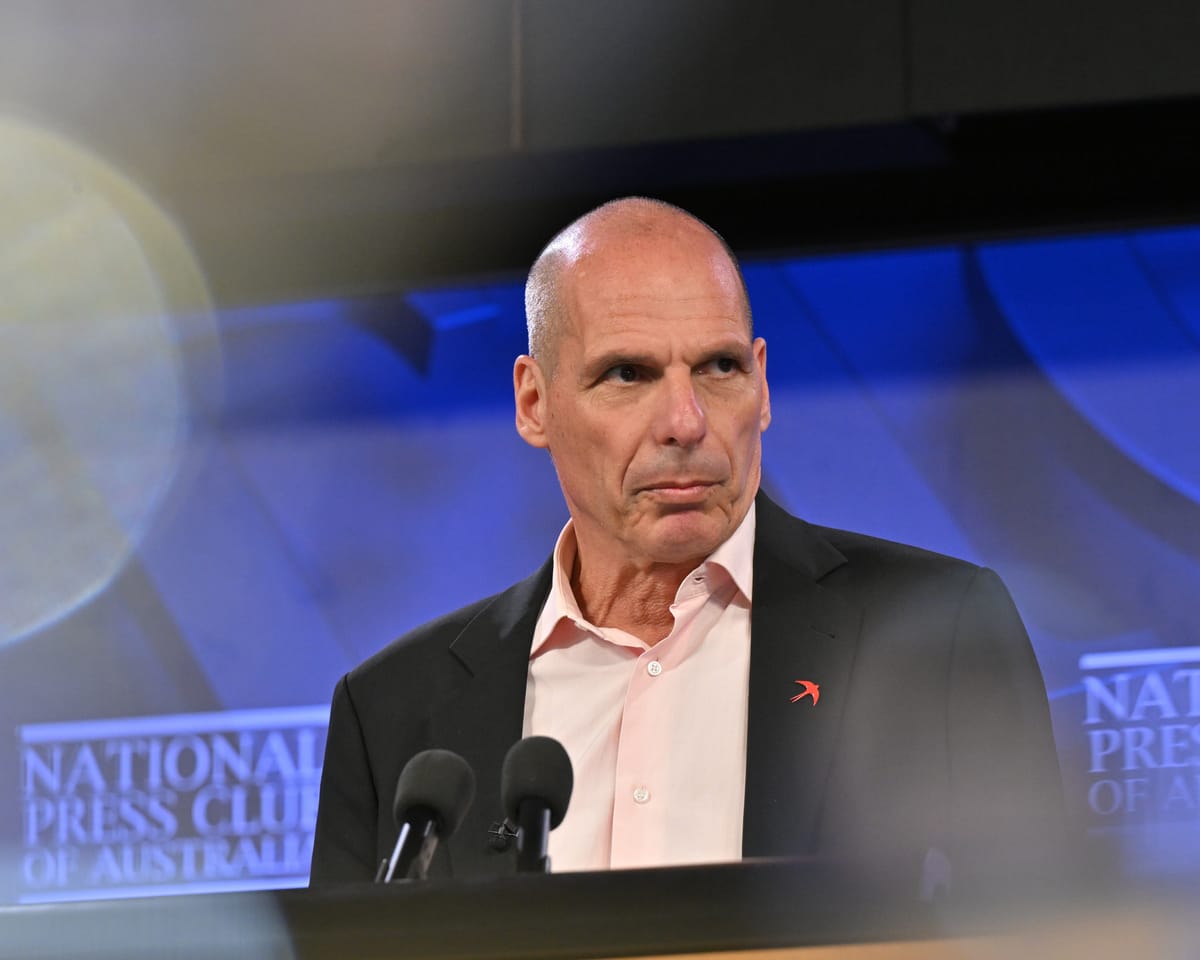
Yanis Varoufakis, the left‑leaning agitator who briefly held the post of Greece’s finance minister, has denounced what he calls a “ridiculous prosecution” for allegedly encouraging recreational drug use after he publicly disclosed having taken an ecstasy tablet nearly four decades ago.
The 64‑year‑old, who recalled the episode during a podcast, was indicted on Wednesday for “inciting others to illegal narcotic use”. A conviction could bring a minimum six‑month jail term and fines of up to €500,000. The case is set for a December hearing.
On Friday, Varoufakis said the indictment reflects a shift toward far‑right politics throughout the West.
“My ridiculous prosecution must be viewed against the broader, West‑wide rise of an insidious new form of fascism,” he posted on X, pointing to what he described as the placement of “neo‑fascists” in senior positions of the centre‑right Greek administration.
“In this setting, I am flattered by their resolve to target me, because it gives me the opportunity to appeal to people of conscience worldwide to unite against them,” he added.
He charged Prime Minister Kyriakos Mitsotakis with “making a pact” with the far right to keep extremist groups from forming a separate party, unlike in other European nations. According to Varoufakis, once placed in key ministries, they could “leverage their power to court their supporters by guaranteeing that individuals such as myself are harassed and taken to court.”
Varoufakis, an economics professor regarded by the European left as Greece’s most outspoken public intellectual, discussed his personal encounter with drugs openly on the January podcast. Though his modest left‑wing party, MeRA25, fell just short of the parliamentary threshold in the June 2023 election, he remains popular with younger voters who are disenchanted with mainstream parties.
When questioned about past drug use, he remembered a 1989 episode in Sydney, after a Mardi Gras parade, when he took ecstasy at a Kylie Minogue concert. “I’m not like Bill Clinton who ‘did not inhale’. I inhaled,” he remarked. “I took ecstasy once. It was a remarkable experience until a severe migraine hit a few days later… I recall dancing for 15‑16 hours as if nothing had happened, then suffering for a week and never trying it again.”
He added that he still has a taste for “grass, but I can’t locate it, and no one will give it to me.”
Critics, among them television presenters, condemned the politician, claiming he misused his public‑figure status. Nonetheless, he is not the first Greek public figure to discuss recreational drug consumption openly.
The former mayor of Athens, Kostas Bakoyannis—Mitsotakis’s nephew—admitted in a 2017 television interview to smoking hashish, joking that he sometimes felt the urge during family gatherings. Artists and scientists have also spoken openly about drug use. None, however, have been prosecuted for it.
Read next
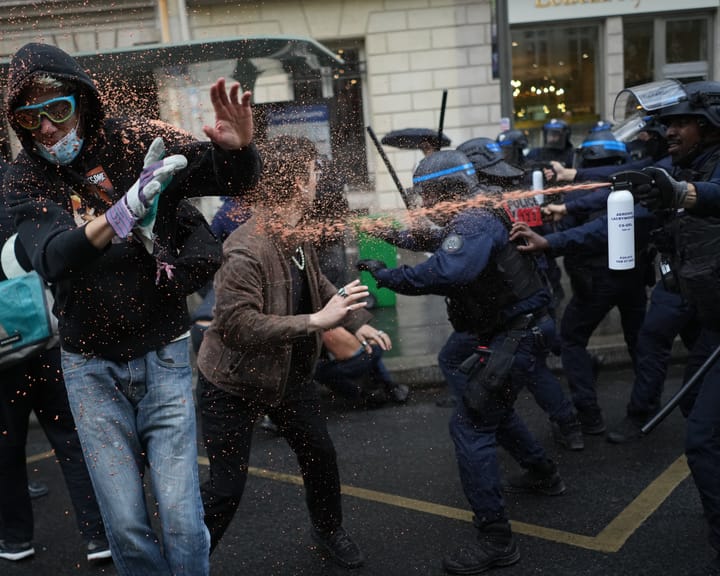
French Minister Refutes Police Brutality Claims Amid Ongoing Student Protests Across France – Europe Live
In recent developments, French Interior Minister Laurent Nuñez has refuted claims of excessive police force during the ongoing student protests in France. He emphasized that police action is only taken in response to violence or property damage. Addressing lawmakers, Nuñez described the protests as "unprecedented" due to the
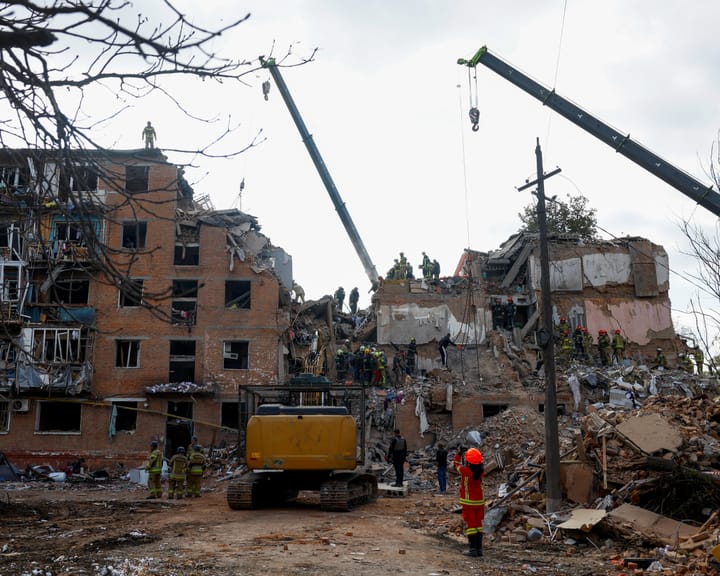
Ukraine Reports Russia Bombed Apartment Building Coinciding with Putin's Birthday
Volodymyr Zelenskyy has accused Russia's military of deliberately targeting civilians and bombing residential buildings as a grim gift for Vladimir Putin, who celebrates his 74th birthday on Wednesday.
Ukraine’s president described Russia’s overnight drone and missile strikes, which killed at least 24 people, as “despicable.” “The
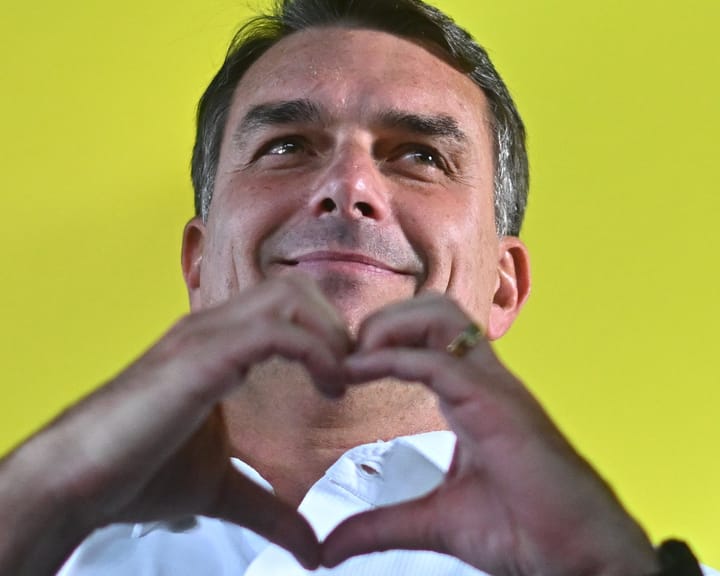
Fears of 'another coup d'état' grow as Flávio Bolsonaro vows to 're-democratise' Brazil
Flávio Bolsonaro, the leading candidate for Brazil's presidency, has promised to "re-democratise" the nation, raising concerns about potential authoritarian governance should he win. Brazil transitioned to democracy in the 1980s after a harsh 21-year dictatorship, a period lauded by Flávio's father, former