

The Japanese yen has climbed by over 1.7% against the dollar on speculation that the Bank of Japan is preparing to raise interest rates.
The increase on Thursday pushed the yen to its strongest level against the dollar in a month, reaching 155.85, and followed a 0.9% move the previous day.
Global markets continue to be unsettled following this week's sharp sell-off in government bonds, triggered by concerns over renewed inflation driven by rising oil prices.
Investors have been revising their expectations for the future path of interest rates, both in Japan and across other major economies.
Comments from Bank of Japan policymaker Hajime Takata, indicating the need to act more "nimbly," appeared to strengthen expectations of a significant policy shift.
Nigel Green, chief executive of the financial adviser deVere, said the size of the yen's appreciation over such a brief period highlighted the fragile state of markets.
"Markets this jumpy don't need a shock to move hard, a rumour is enough," he said.
Citi stated in a note to clients: "(The) remarks are the strongest messaging we've heard from the board and reintroduces the idea of an expedited rate hike trajectory."
The Bank of Japan has been gradually raising rates over the past two years, after the economy emerged from decades of deflation, or falling prices, though its main policy rate was held steady at 1% in July.
Markets now estimate a 77% probability of a rate increase at the BoJ's next meeting, scheduled to begin on 17 September.
Addressing the recent market movements, Japan's vice-finance minister for international affairs, Atsushi Mimura, said he was "neither satisfied nor reassured" and that policymakers "remain on a state of heightened alert."
The global bond market sell-off, which pushed up the yield, or interest rate, on government borrowing, intensified earlier this week after US Federal Reserve chair Kevin Warsh used a speech last Friday to signal his determination to bring inflation back to target.
Warsh had previously drawn criticism from some investors by abandoning the Fed's practice of signalling future rate moves, referred to as "forward guidance." However, in Friday's address at the central bankers' conference in Jackson Hole, he cautioned that if inflation did not move towards the 2% target, the Fed would have "more to do."
Read next

Volkswagen to slash 100,000 jobs by 2030
CuriosityNews reported that Volkswagen, the car company, has announced it will shed 100,000 jobs by the end of the decade after being hit by US tariffs and fierce competition from Chinese rivals.
The German manufacturer said management and unions had agreed as part of a sweeping cost-cutting plan

Empowering Young Women to Harness Economic Power More Effectively
Women navigating patriarchal societies have long managed limited economic power. New research from Zambia shows this ability can be taught.
A team of US scholars collected data for over a decade, showing teaching young women negotiation yields lasting benefits.
Twelve‑ and 13‑year‑old girls received twelve hours of negotiation
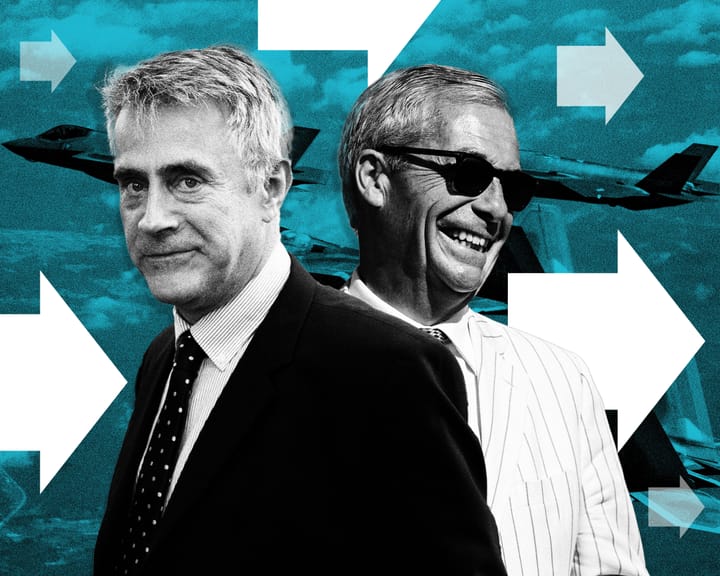
£5 million donor Christopher Harborne, Farage’s backer, expands his private arms empire
Nigel Farage, leader of Reform UK, has openly backed the cryptocurrency sector that contributed to billionaire Christopher Harborne’s wealth. He even urged the governor of the Bank of England to abandon a crypto‑related policy that could prove costly for Harborne.
If another facet of Harborne’s business empire