

Young people attracted to second‑hand platforms like Vinted and Depop are supporting charity shops even as energy and labour expenses increase.
Save the Children reported a 3 % increase in retail revenue last year, with December sales 11 % higher than the previous year, generating over £1 million for its programmes.
Ian Matthews, director of retail and communities at the charity, noted a sharp rise in sales that remained robust into January.
The growth exceeded the sector average of 1.4 % reported by the Charity Retail Association (CRA), which in turn outpaced the broader retail market’s 1.1 % rise in non‑food sales, according to the British Retail Consortium.
Allison Swaine‑Hughes, chief commercial officer of the British Heart Foundation, one of the nation’s largest charity retailers, observed that platforms such as eBay, Vinted and Depop have increased public interest in second‑hand purchases, benefiting the reuse market. She added that, as the leading eBay charity seller and a highly‑rated Depop vendor, the foundation sees sustained demand for well‑maintained pre‑owned goods.
“Sales in our brick‑and‑mortar locations are higher than a year ago, indicating continued demand across our network.”
Nevertheless, charities acknowledge that generating surplus remains challenging.
Robin Osterley, chief executive of the CRA, said higher employer national‑insurance contributions and the rising minimum wage have tightened profit margins for several charities.
The market value of rag, clothing unsuitable for resale, has declined, reducing revenue for charities that sell it to specialist dealers.
The count of charity shops in the UK dropped by nearly 80 to 4,304 last year, affected by higher rents, utility costs and wages, and by fast‑fashion trends that lower donation quality. Several major charities also reduced their footprints, for example Scope, which plans to close 77 of its 138 outlets by the end of the following month.
Osterley described the situation as one of restructuring and consolidation rather than collapse.
He noted that charity‑run floor space on high streets increased by almost 6 %, as many organisations shift to larger premises that provide a wider range of products. Online transactions also grew as charities reached new customers. Additionally, they are adopting alternative channels for slower‑moving stock, such as specialist clearance platforms and discount sections with items priced at £1 or below.
Matthews acknowledged that expenses pose a sector‑wide challenge, but Save the Children is counterbalancing them through increased sales.
The charity’s results have also benefited from a growing pool of volunteers, especially younger individuals. In the most recent year, 42 % of new Save the Children shop volunteers were aged 18‑24, up from 28 % in 2021, lowering the average volunteer age by 14 years to 28 over the past five years.
Read next

Middle East turmoil lifts oil prices, potentially fueling higher inflation.
The repercussions of the lethal and volatile clash in the Middle East for the world economy will be most immediately, and sharply, evident in the climb of oil prices.
Prices surged on Monday as markets got their first chance to absorb the weekend’s reciprocal strikes. By lunchtime in London,

Oil prices set to jump after US and Israel strike Iran
Oil prices are projected to climb on Monday, and equity markets may slip as the US‑Israel conflict with Iran unsettles investors.
U.S. crude is set to increase about 9 % when trading restarts, data from broker IG show, after Tehran announced on Saturday that it had effectively sealed the
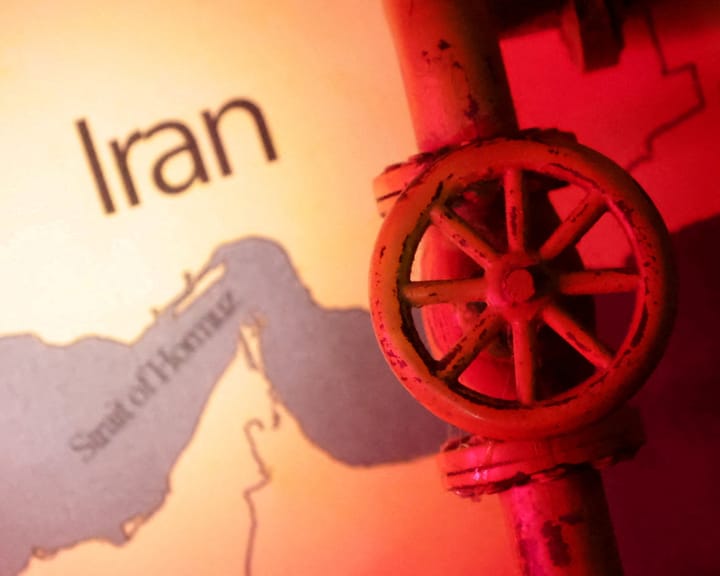
How US‑Israeli attacks on Iran could affect oil prices
Why does the Strait of Hormuz matter?
The Strait of Hormuz ranks among the globe’s key maritime corridors for international commerce. Roughly one‑fifth of worldwide oil shipments and a similar share of gas carriers traverse it.
The waterway sits between Oman and Iran. It connects the northern Gulf