
CuriosityNews
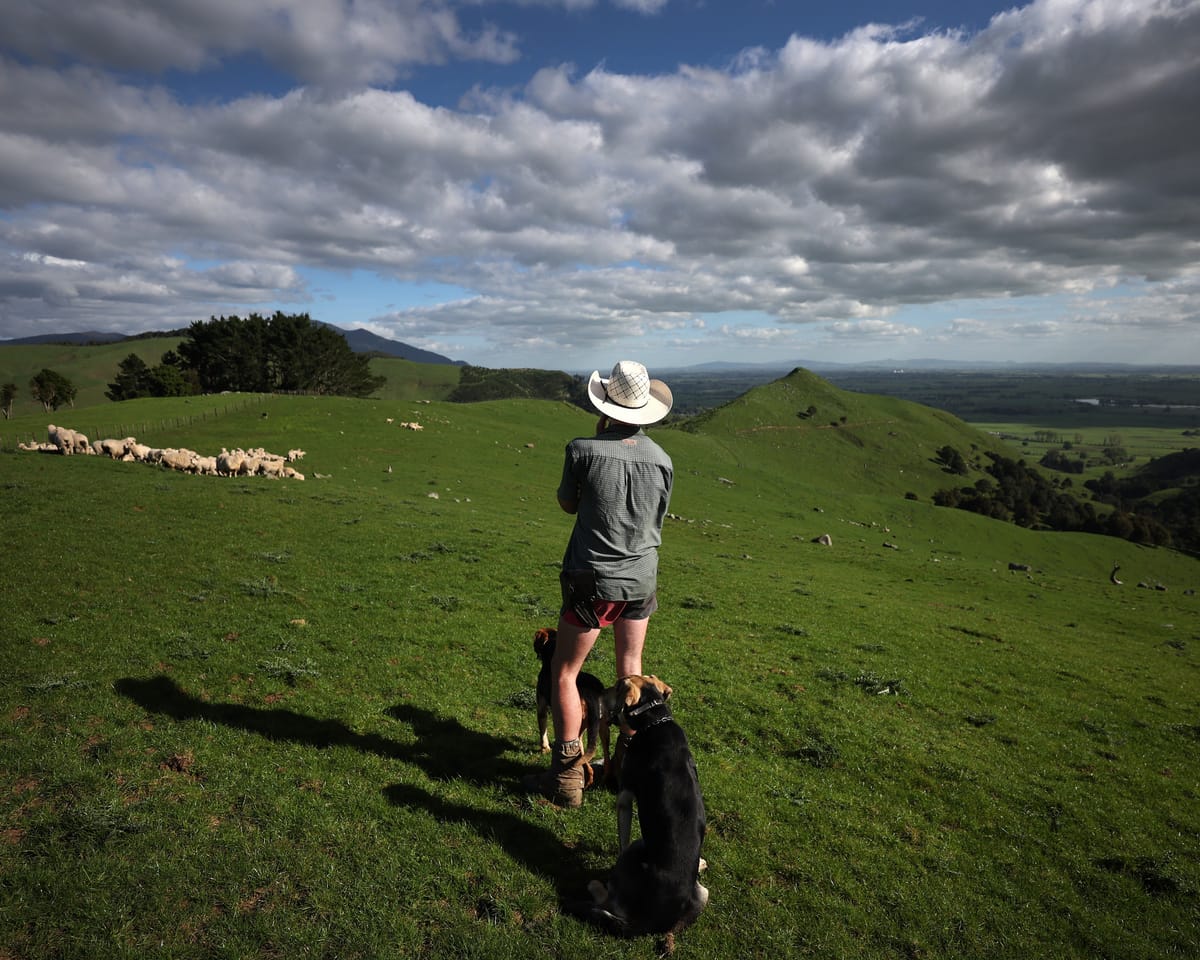
South of Auckland, Cam Clayton raises sheep and cattle on leased land, working with dogs he trained from puppyhood. His farm in Waikato overlooks rugged hills and dense gullies near his childhood home.
“This is the finest office with the most stunning views,” says Clayton, 30.
He belongs to a shifting agricultural landscape in New Zealand. Official data indicates farm numbers have consistently decreased—from 70,336 in 2002 to 47,250 in 2022, a 33% decline. Farmland area also contracted by 15% over those two decades.
Though agriculture remains central to New Zealand’s economy—with dairy, meat, kiwifruit, and apples as top exports—small farms have increasingly consolidated into larger enterprises. Recently, Fonterra, a major dairy co-operative, sold its consumer divisions to French company Lactalis for NZ$4 billion ($2.3 billion).
Despite high dairy prices, young farmers like Clayton struggle to follow the traditional path to ownership. Historically, aspiring farmers managed others’ land for a profit share while saving to buy their own. Today, soaring land prices force prolonged savings periods and supplementary income streams.
“When someone acquires neighboring farms, assembling a portfolio of five, young farmers can’t afford even a modest 150-cow operation to begin,” explains Clayton. “You need unwavering dedication and long-term commitment.”
Cheyne Gilooly, head of the 98-year-old Young Farmers club, says financing land access dominates discussions among the network’s under-31 members, few of whom own farms.
“The core challenge now is enabling people to secure financing as land costs rise,” Gilooly notes.
Cam Lowery, 27, and partner Poppy Mitchell, 25, recently began leasing Lowery’s family farm near Milton. They manage 2,700 sheep alongside cattle and young sheep yet to be shorn.
After university, Lowery worked as a shepherd but saw no route to ownership through that role. Government-backed retirement savings can fund first homes but not farms.
“Building equity beyond farming is tough,” Lowery says.
For now, family ownership provides stability. Mitchell works weekdays as a Dunedin physiotherapist, an hour’s drive away, while Lowery handles daily operations—with Mitchell assisting weekends.
“My work starts at 7 or 8 a.m.,” he says, “and ends around 7 p.m.”
Read next

Deadly Tenerife Wave Claims Four Swimmers Pulled from Coastal Pool
Four individuals have died and another remains missing after a large wave swept swimmers from a well-known coastal pool along Tenerife’s western shore, Spanish officials confirmed Monday.
Rescuers retrieved three bodies on Sunday—a 35-year-old man, a 55-year-old woman, and a man whose details were not disclosed—during a

Edinburgh Airport flights back on track after air traffic control disruption – live updates
Flights Gradually Restart at Edinburgh Hub After Air Traffic Control Disruption
Air travel services are slowly recommencing at Edinburgh airport after a midday halt caused by technical complications within its air traffic management system.
Operations began gradually resuming around 10:40am, as confirmed in an update shared via the airport’
France, UK Accused of Inaction Against Migrant-Targeting Activist Groups
Criticism Over Inaction Against Anti-Migrant Activists in Northern France
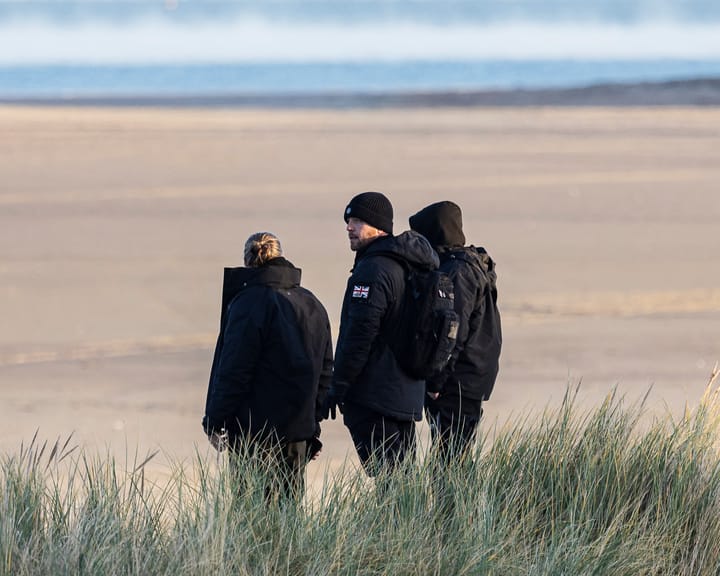
UK and French officials have faced allegations of “promoting aggressive and xenophobic conduct” by not addressing British activists traveling to northern France to disrupt small boat crossings.
Nine French organizations assisting individuals in coastal camps released a statement criticizing both governments