
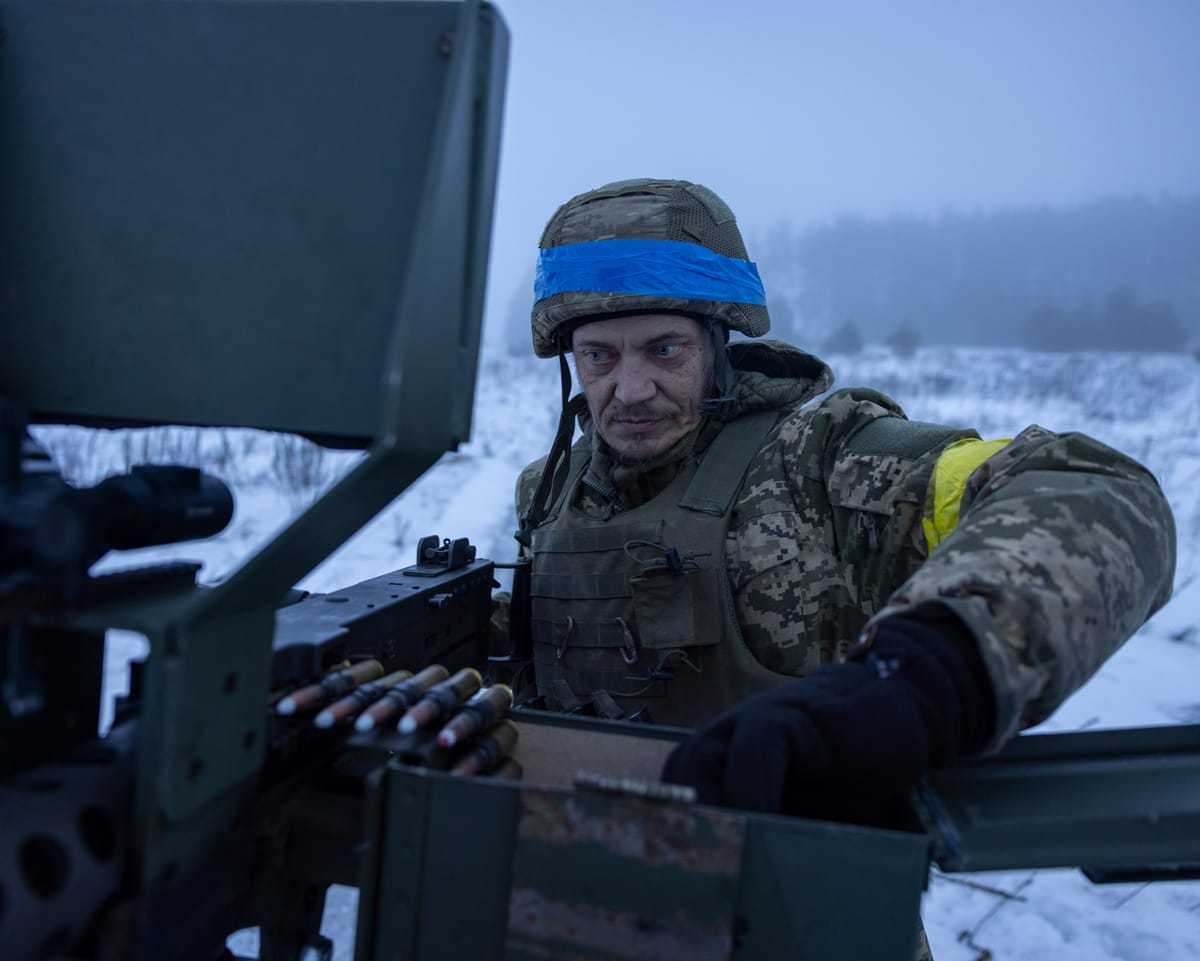
Ukrainian President Volodymyr Zelenskyy said on Saturday that he had spoken with Saudi Crown Prince Mohammed bin Salman about developments in Iran and the broader Middle East, and reiterated Kyiv’s willingness to assist with Iranian drones. “Ukraine has been confronting Iranian‑designed ‘Shaheds’ for years, and it is widely recognised that no other nation has comparable experience,” Zelenskyy wrote on Telegram about the discussion. “We stand ready to help and expect our own forces to receive the required backing.”
Domestic producers of low‑cost interceptor drones intended to neutralise hostile unmanned aircraft claim they can supply large quantities abroad, as interest from the United States and Middle‑Eastern partners grows in response to the conflict with Iran. Hundreds of drones modelled on Iran’s Shahed, now manufactured in Russia, populate Ukrainian airspace during frequent raids, many of which are shot down by air‑defence assets such as Western missiles, fighter jets, truck‑mounted guns and interceptor drones.
Officials reported that a Russian missile strike on a five‑storey apartment block in Kharkiv, Ukraine’s second‑largest city, has killed at least ten people, including two children, and injured sixteen others. Zelenskyy denounced the Saturday attack and urged an international reaction. He added that Russia launched 29 missiles and 480 drones against Ukraine overnight, hitting power facilities in Kyiv and other central areas, with damage also recorded in at least seven additional locations.
Swedish police seized a vessel off the country’s southern coast that authorities say was operating under a false flag and is linked to Russia’s covert fleet, suspected of carrying grain taken from Ukraine. The 96‑metre ship Caffa departed Casablanca on 24 February bound for St Petersburg before being boarded by armed officers near the town of Trelleborg on Friday. “The boat appears on the Ukraine sanctions list. Information suggests it has been used to move grain that was stolen from Ukraine,” said Daniel Stenling, acting head of operations for the coast guard, at a press briefing.
Scrutiny of America’s arms reserves has intensified as the U.S. campaign against Iran expands, with several Democratic legislators contending that the policy amounts to a “war of choice.” Experts note that missile‑defence systems are under considerable pressure, with Patriot and THAAD interceptors in high demand for Ukraine and Israel respectively. “I am not especially concerned about depleting our stockpiles during this conflict,” said Ryan Brobst, a specialist in U.S. defence strategy. “The priority is to deter China and Russia once the fighting ends.”
Read next
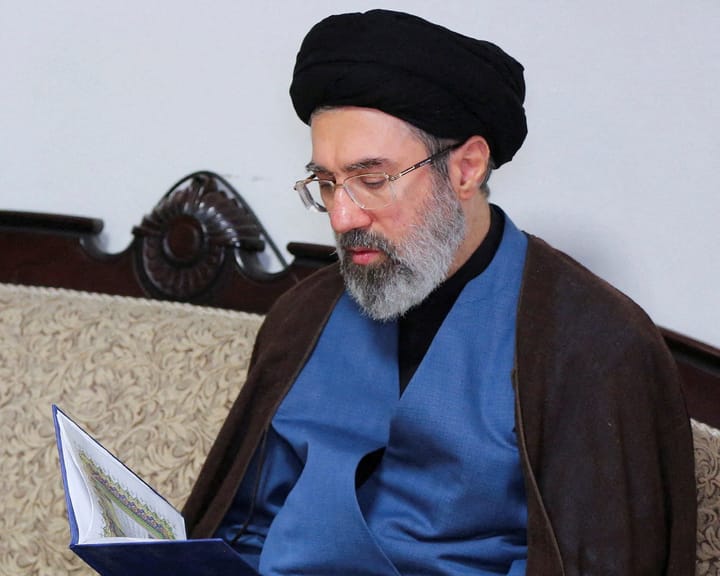
Live Middle East crisis: Mojtaba Khamenei appointed Iran’s new supreme leader; oil prices surge past $100 a barrel
Trump says decision on ending war will be ‘mutual’ with Netanyahu
Donald Trump told the Times of Israel that the timing of a cease‑fire with Iran will be decided jointly with Israeli Prime Minister Benjamin Netanyahu.
In a brief phone interview on Sunday, Trump added that Iran would have
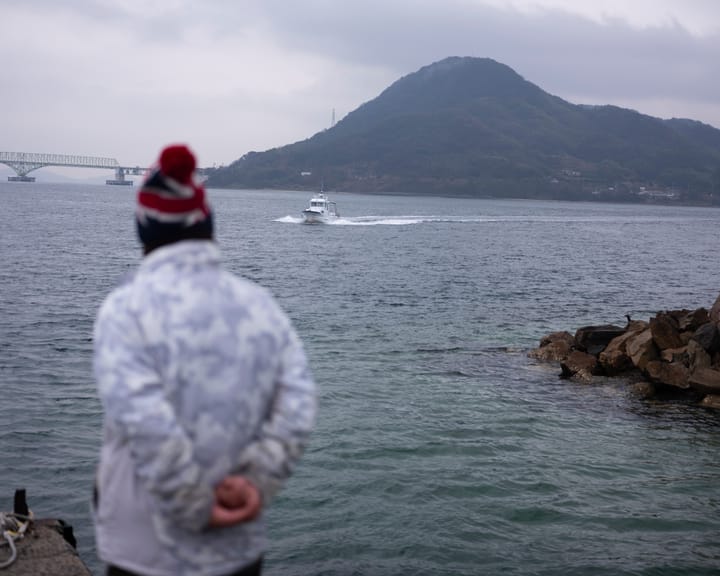
Japan's partially deserted island at the center of tensions with China
His island residence is cloaked in mist, yet his Union‑Jack knit cap makes Hideya Yagi easy to spot as he welcomes the incoming boat. The 80‑year‑old former construction‑company president is glad to see the handful of passengers step ashore, largely because he is one of only
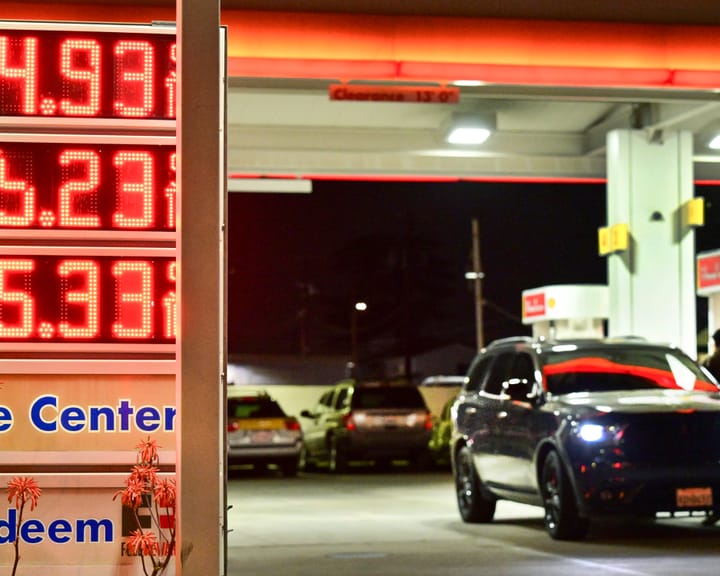
White House concerned as gas prices rise amid US‑Israel conflict with Iran
Across the United States, the typical price for a gallon of regular gasoline rose by almost 27 cents in a single week, reaching $3.25, and shoppers are preparing for further pump price increases as the US‑Israel clash with Iran threatens to disturb the world oil market.
The concern