
Analyst: Oil could climb to $100 a barrel as traffic through the Strait of Hormuz stops
Analysts caution that the conflict involving the United States, Israel and Iran may push crude prices toward $100 per barrel.
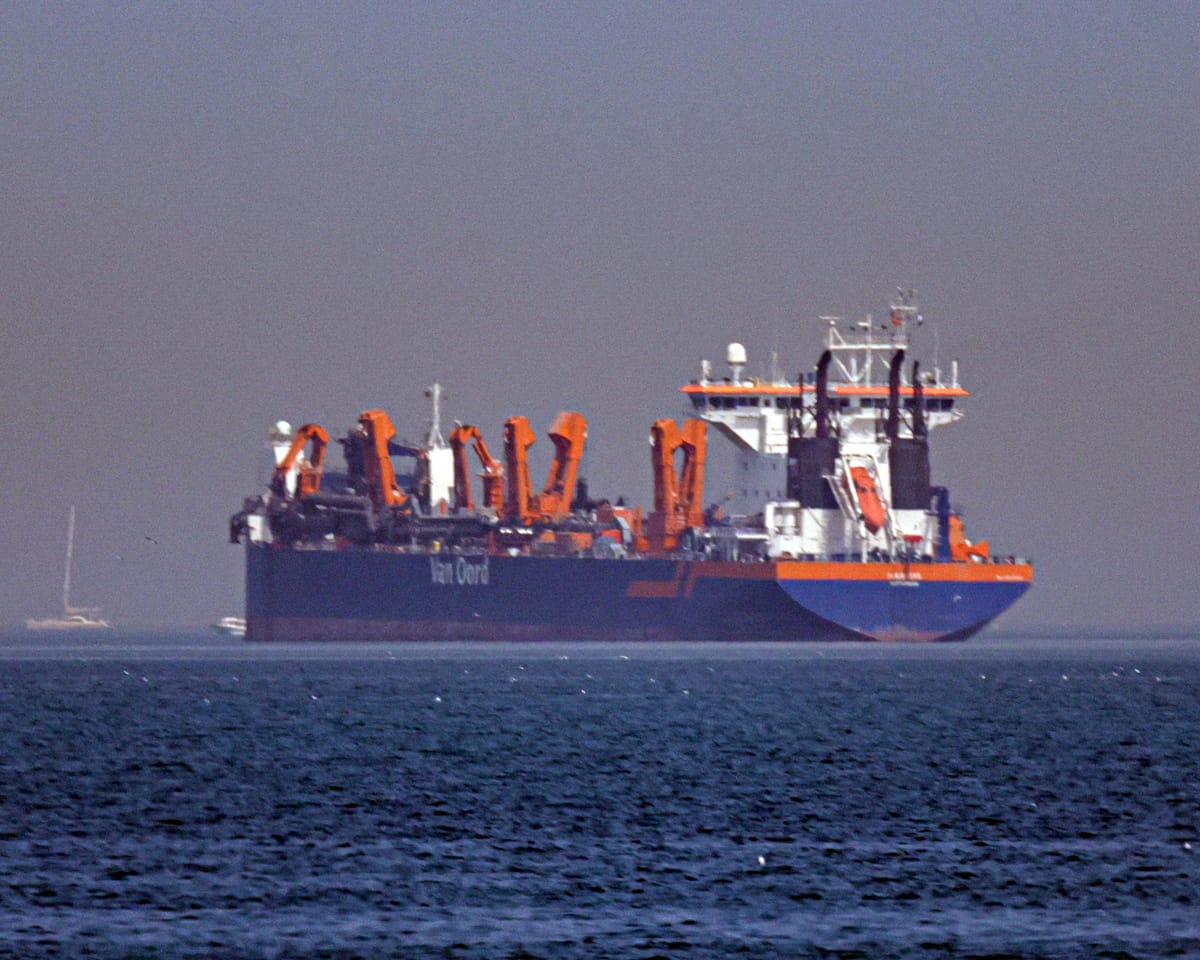
Research firm Wood Mackenzie says higher oil and gas prices are inevitable, and that oil could breach the $100‑a‑barrel mark if tanker movements through the Strait of Hormuz are not swiftly restored.
The firm notes that shipping through the waterway has effectively ceased after Iran warned vessels to avoid the route and insurers pulled coverage.
In the present outlook, oil prices above $100 a barrel become plausible if the transit flow is not re‑established promptly, according to Alan Gelder, senior vice‑president for refining, chemicals and oil markets at Wood Mackenzie.
Gelder explains:
“The crucial issue is when ships will resume export flows. Undoubtedly, tanker freight and insurance costs will rise sharply, but those expenses would represent only a minor component of the price impact if oil shipments are curtailed for more than a few days.”
Even in a best‑case scenario where Iran cooperates with the United States, Gelder adds, it could take several weeks for export movements to normalise. He warns that during that interval “oil prices are heavily exposed to upside risk.”
He points to the early stage of the Russia‑Ukraine war as a recent parallel, when concerns over a loss of Russian supplies lifted oil to more than $125 a barrel.
Brent crude last touched $100 a barrel in 2022, early in the Russia‑Ukraine conflict.
---
FTSE 100 slips 1 % at market open
London’s equity market opened with investors reacting to the US‑Israel‑Iran confrontation by offloading shares in travel firms and banks while favouring oil producers.
The FTSE 100 index fell about 1 % in early trading, down 111 points to 10,798.
Budget carrier easyJet (‑6.2 %) and InterContinental Hotels (‑5.8 %) were among the biggest decliners, as traders anticipate reduced demand in the Middle East and the cancellation of thousands of flights.
Conference organiser Informa dropped 6.2 %; the company runs numerous events in the Gulf, including the Gulf Print & Pack exhibition slated for the end of March.
Conversely, the rally in crude prices lifted energy stocks, with Shell up 5.7 % and BP up 6.3 %, making them the leading gainers on the FTSE 100.
---
Pound wobbles as dollar strengthens
The U.S. dollar gained ground this morning as investors turned to the greenback for safety.
Historically a safe‑haven currency in periods of turmoil, the dollar rose 0.8 % in early trade.
The pound slipped 1 % (about 1.3 cents) to $1.3346.
In the longer term, the Iranian attacks could accelerate the gradual erosion of the dollar’s worldwide dominance.
Read next
Jaguar Land Rover suppliers voice ‘everything is against us’ amid cutbacks
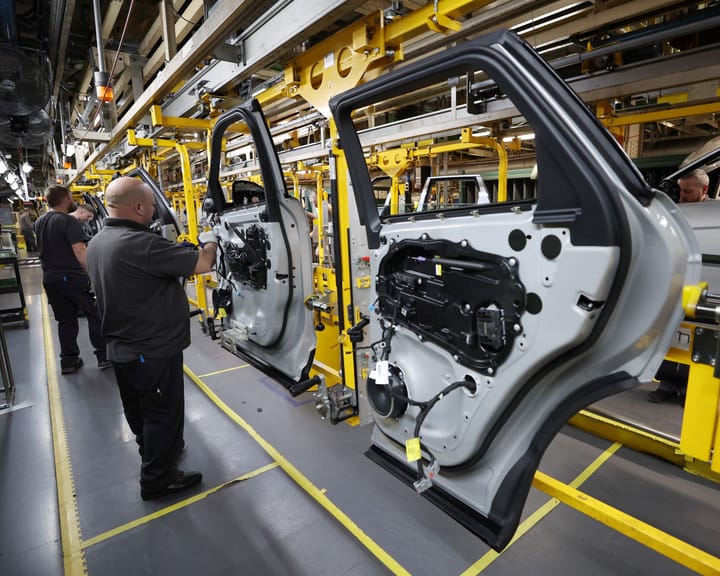
David Roberts, chair of Coventry-based Evtec, says the outlook for Britain’s automotive sector is grim, with “everything against us.” Evtec is a tier 1 supplier to Jaguar Land Rover, which this week announced 4,000 job cuts over two years despite chancellor John Healey’s attempt to talk
Europe’s fighter jet plans in disarray: what comes next?
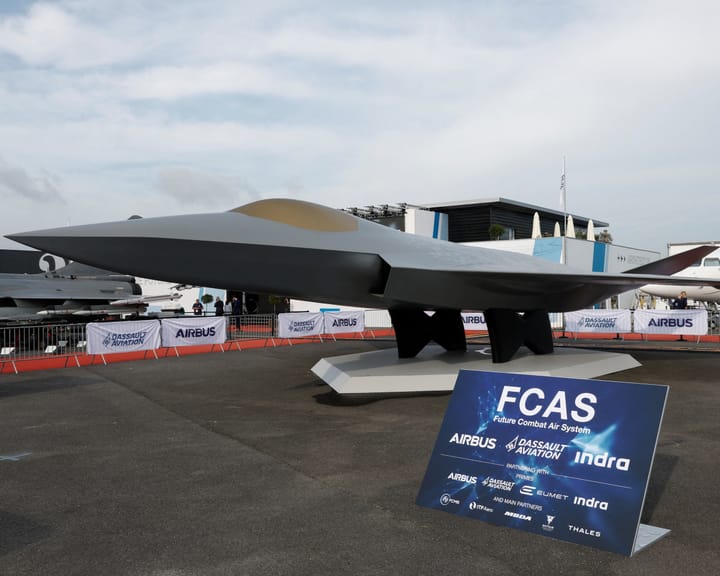
When former ECB president and Italian PM Mario Draghi urged Europe to catch up economically with the US and China, defence collaboration was prescribed. No more should each nation build independent boats, tanks or jets; allies should share costs and technologies.
Europe stumbled at the first hurdle. German Chancellor Friedrich
John Healey supports growth but insists Labour must be truthful about spending
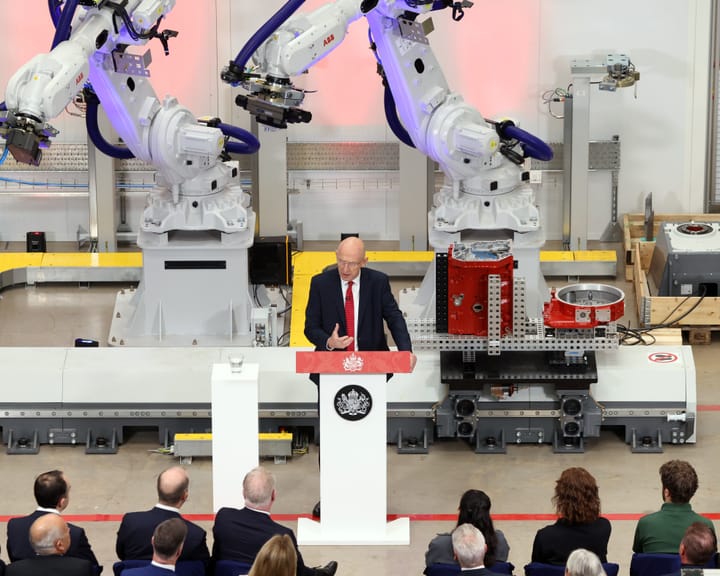
John Healey has stated that his primary goal as chancellor will be to boost economic growth, while acknowledging that Labour must be straightforward about controlling public spending at next month's budget.
In his first major address since assuming the role in July, Healey said the leading focus of