
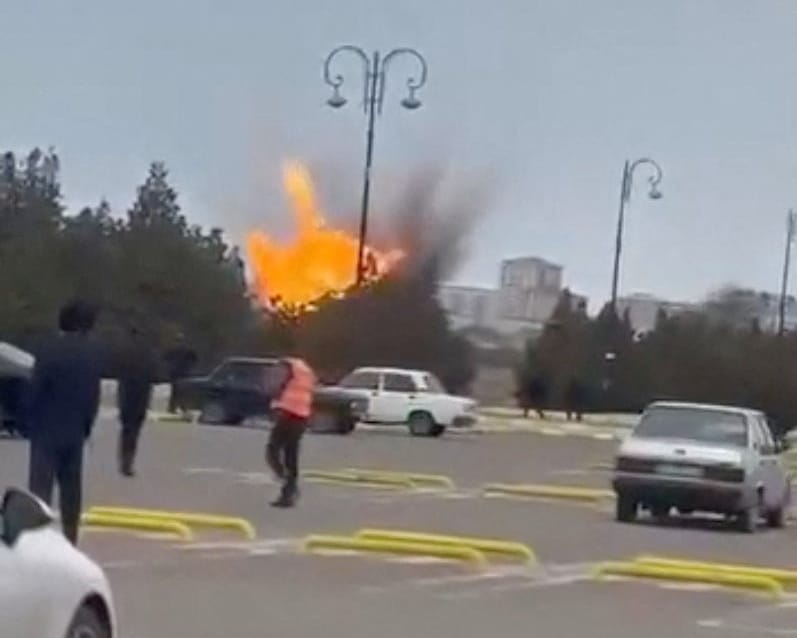
Azerbaijan has charged Iran with launching a drone strike that hit Nakhchivan, damaging an airport and wounding two civilians.
The assault would represent Tehran’s first attack on a Caucasian state since the onset of the US‑Israel conflict, and it raises the possibility of the war spilling beyond the Middle East.
Baku’s foreign ministry reported that the drone struck the terminal of the sole airport in Nakhchivan, an Azerbaijani exclave that borders Iran.
According to the ministry, a second drone crashed near a school in a nearby village.
The Azerbaijani government said it retained the option to respond in kind.
Iran subsequently denied any involvement in the drone incident at Nakhchivan airport.
“The Islamic Republic of Iran has not targeted the Republic of Azerbaijan,” deputy foreign minister Kazem Gharibabadi told Iran’s Tasnim news agency.
“We do not attack our neighboring states.”
Video shared on social platforms appeared to show a drone hitting the airport directly, followed by a blaze.
“The Azerbaijani foreign ministry demands that the Islamic Republic of Iran clarify the matter promptly, provide an explanation and take urgent steps to prevent a recurrence of such events,” the statement read.
Azerbaijan, a petroleum‑rich authoritarian country that has taken a neutral line in the Middle East clash, has lately deepened contacts with Israel and the former Trump administration while gradually distancing itself from Moscow, the long‑standing power broker in the Caucasus.
The nation hosts no U.S. military installations, a point that could indicate Tehran’s willingness to extend its strikes beyond states directly linked to American forces.
Zaur Shiriyev, a non‑resident fellow at the Carnegie Endowment for International Peace, said it remains uncertain whether Iran deliberately aimed at Nakhchivan airport.
He added that, if verified, the episode would constitute a serious event that could not be dismissed as accidental.
“Airports are vital infrastructure, so this inevitably raises serious questions,” he remarked.
The timing of the alleged attack was striking.
A day earlier, President Ilham Aliyev of Azerbaijan had visited the Iranian embassy in Baku to convey condolences over the death of Supreme Leader Ali Khamenei, who was killed in U.S.–Israeli strikes the previous week.
Baku’s expanding military cooperation with Israel has heightened friction with Tehran, although the two neighbours have largely maintained pragmatic ties.
Both states are predominantly Shia Muslim, and Iran is home to millions of ethnic Azeris—estimates range from roughly 15 million to over 20 million—many of whom live in the north‑western provinces adjoining Azerbaijan.
The drone episode is likely to heighten tensions across the Caucasus.
Armenia, Azerbaijan and Georgia have all declared neutrality in the war, seeking to avoid being drawn into the growing instability.
Read next

Tokyo tourist hotspot outlaws short-term rentals amid complaint surge
Shinjuku Ward, Tokyo, has moved to ban short-term rental accommodations in residential areas and near schools and important cultural sites, following a slew of complaints about visitor behaviour. The decision, to be enacted through a local ordinance, marks the latest sign that Japan’s patience with mass tourism is
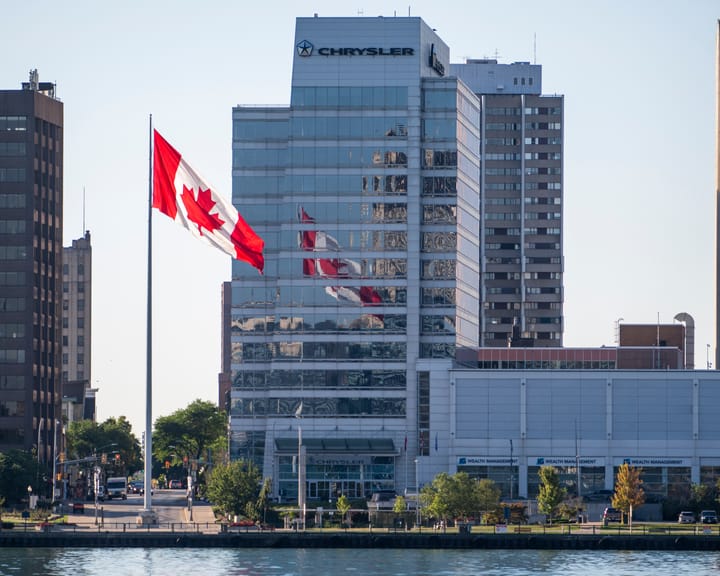
Canada implements retaliatory US tariffs as trade dispute intensifies
Canada’s retaliatory tariffs on about $20 billion worth of American imports took effect at 12.01am on Tuesday, ranging from 15% to 50% and applying to steel, dairy, appliances, agricultural equipment, pulp and paper, and electronics. The measures, a response to the United States’ 50% tariff on $20 billion
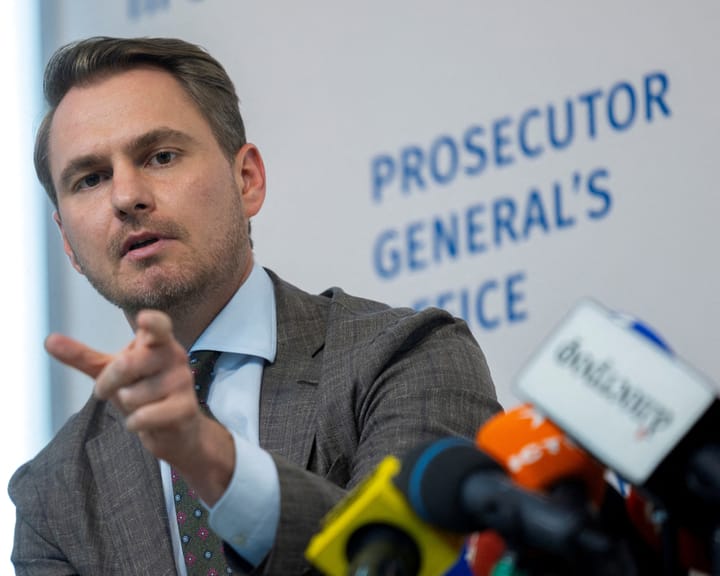
Prosecutor general resigns amid political turmoil in Kyiv during Ukraine war
Ukraine’s prosecutor general Ruslan Kravchenko resigned amid corruption accusations after anti-graft officers searched his offices at the weekend. He called the allegations “completely unsubstantiated” and denied wrongdoing. The National Anti-Corruption Bureau (NABu) and Specialised Anti-Corruption Prosecutor’s Office (Sapo) announced Saturday they uncovered a money-laundering