
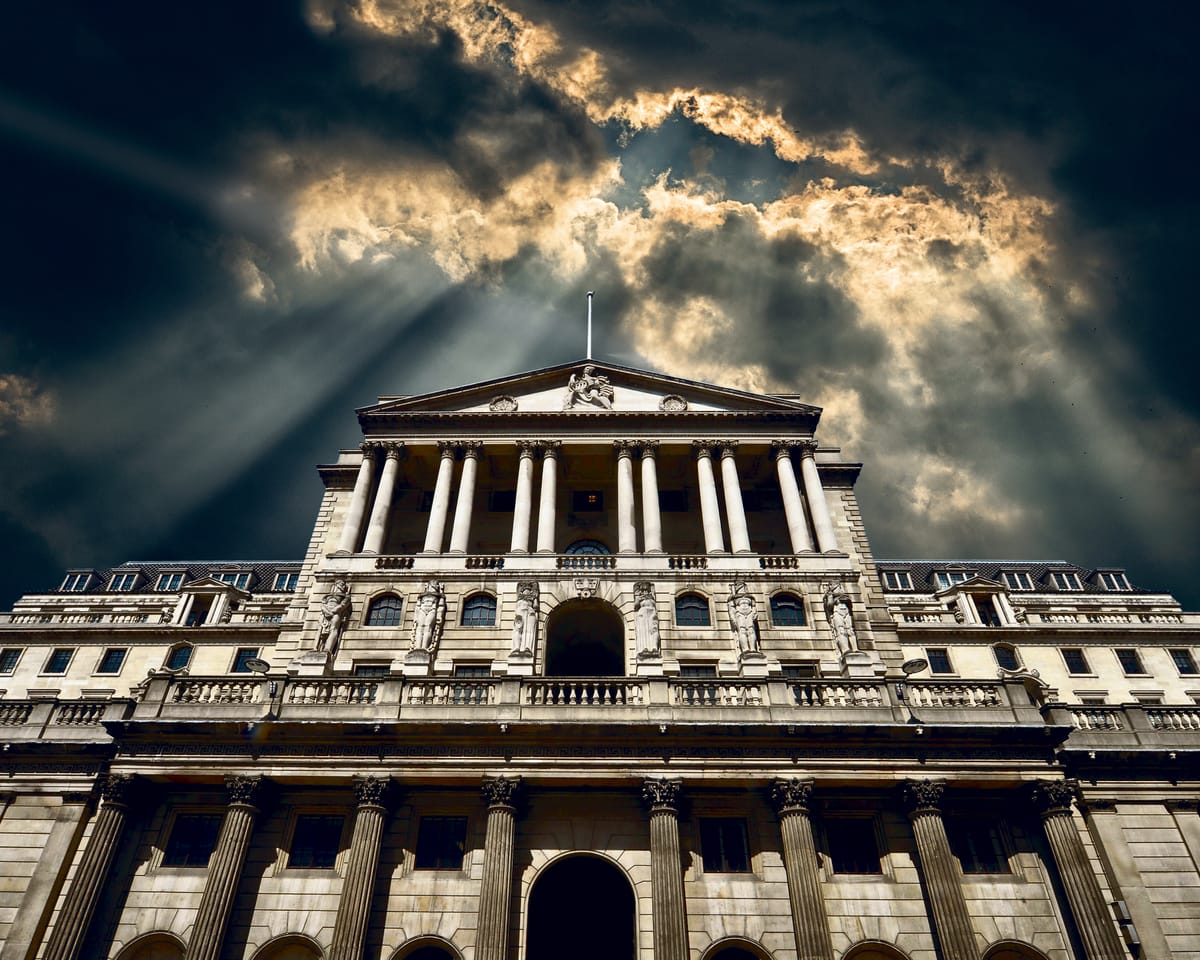
The governor of the Bank of England, Andrew Bailey, has cautioned that recent developments in US private credit markets bear concerning similarities to the subprime mortgage crisis that triggered the 2008 financial collapse.
Speaking before a House of Lords committee, Bailey stressed the need to investigate the failures of two highly indebted US firms, First Brands and Tricolor, to determine whether they are isolated incidents or early warning signs of broader risks.
“Are these cases revealing a deeper issue within private finance, private assets, private credit, and private equity, or are they just rare exceptions?” he asked.
“That remains an open question, particularly in the US.”
He added, “I don’t mean to be overly pessimistic, but this debate is crucial. Before the financial crisis, critics dismissed subprime mortgages as too small to pose a systemic risk, calling them isolated problems. That assessment was wrong.”
The subprime mortgage meltdown, which began in mid-2007, led to a widespread housing market collapse in the US, sparking a prolonged financial crisis. Banks in the US and Europe had taken on risky exposure to billions in US mortgages, often financed through short-term borrowing.
The fallout lasted for months, ultimately triggering a severe recession and expensive bank rescues, including UK institutions like RBS and Lloyds.
Bailey noted that today’s private credit markets show signs of the same kind of complex financial structuring seen before the crisis.
“We are starting to see loan structures being divided and repackaged—practices reminiscent of the financial crisis. Anyone familiar with that period would recognize the red flags,” he told the committee.
“Given that such mechanisms contributed to the crisis, these recent failures should prompt deeper scrutiny.”
He also expressed unease over the complacency of some industry players.
“Several months ago, I met with private equity and private credit representatives who insisted everything was stable, except for concerns about rating agencies. My response was: ‘Are we revisiting the same mistakes?’”
The reliance on lax rating agency assessments—sometimes based on banks’ own risk models—was a critical factor in the 2007-08 crash.
Sarah Breeden, the Bank’s deputy governor, who appeared alongside Bailey, stated that the institution would conduct stress tests in private credit markets to assess their connections with other financial sectors.
She highlighted key vulnerabilities. “The issue is high leverage, it’s about transparency, and potential contagion risks.”
Read next
Jaguar Land Rover suppliers voice ‘everything is against us’ amid cutbacks
David Roberts, chair of Coventry-based Evtec, says the outlook for Britain’s automotive sector is grim, with “everything against us.” Evtec is a tier 1 supplier to Jaguar Land Rover, which this week announced 4,000 job cuts over two years despite chancellor John Healey’s attempt to talk

Europe’s fighter jet plans in disarray: what comes next?
When former ECB president and Italian PM Mario Draghi urged Europe to catch up economically with the US and China, defence collaboration was prescribed. No more should each nation build independent boats, tanks or jets; allies should share costs and technologies.
Europe stumbled at the first hurdle. German Chancellor Friedrich
John Healey supports growth but insists Labour must be truthful about spending
John Healey has stated that his primary goal as chancellor will be to boost economic growth, while acknowledging that Labour must be straightforward about controlling public spending at next month's budget.
In his first major address since assuming the role in July, Healey said the leading focus of