
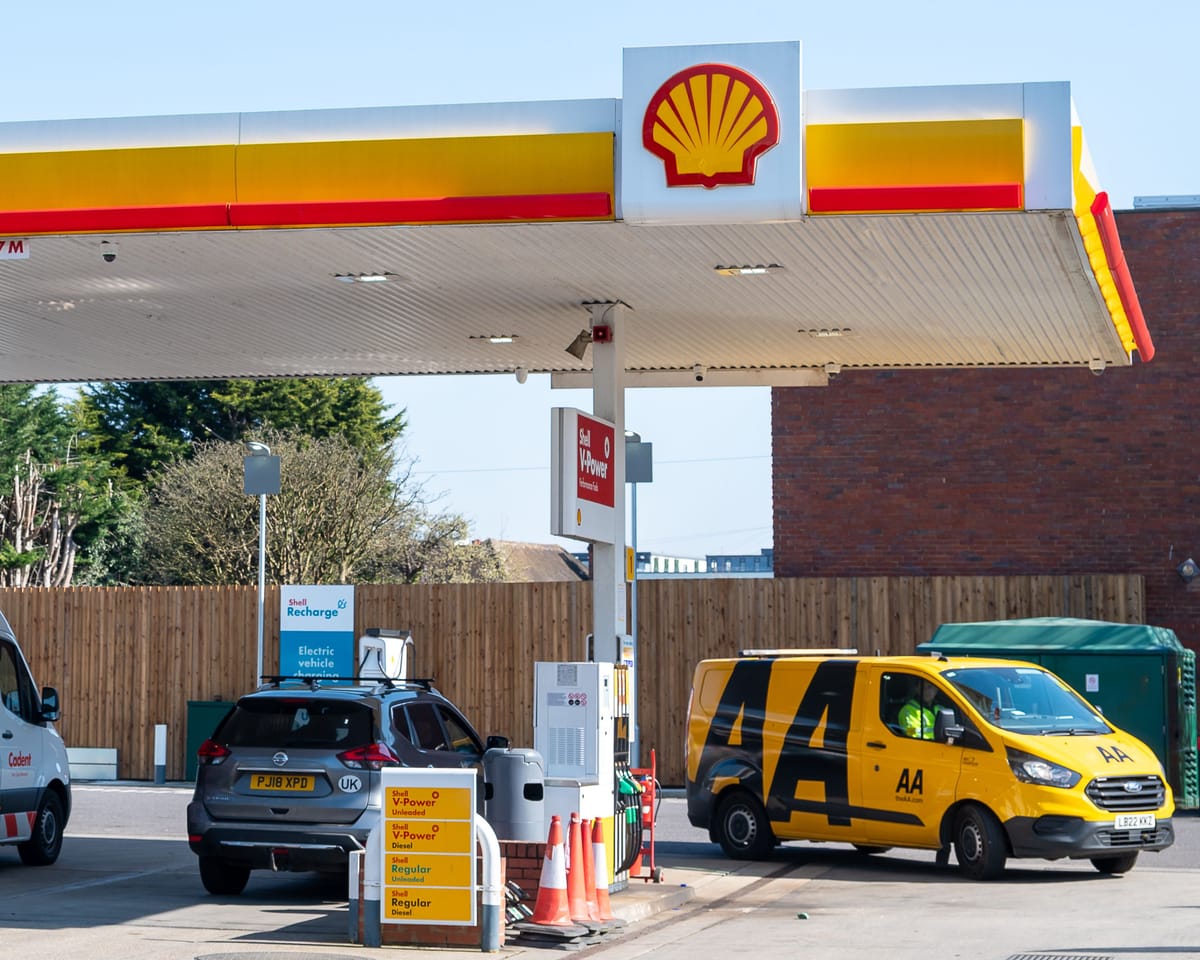
Shell announced stronger‑than‑anticipated earnings of $6.9 billion (£5 billion) after its oil‑trading arm profited from surging energy prices amid the Iran conflict, drawing criticism from climate activists.
Rising oil and gas prices during the Middle East turmoil enabled Europe’s largest oil and gas producer to record a 115 % increase in first‑quarter profits, up from the $3.2 billion posted in the final quarter of 2025, comfortably beating the $6.4 billion forecast by City analysts.
Shell chief executive Wael Sawan attributed the gains to a “relentless focus on operational performance” during a quarter marked by unprecedented turbulence in global energy markets.
The interruption of oil and gas shipments through the Strait of Hormuz lifted international crude from roughly $61 a barrel in January to peaks of $119 by the end of March, and again at the close of April.
Oil slipped below $100 a barrel on Wednesday as hopes grew for a US‑Iran peace accord, yet prices remained more than 50 % above levels a year earlier.
The price boost also helped BP announce better‑than‑expected first‑quarter profits of $3.2 billion, more than double the $1.38 billion earned in the same period a year ago. BP highlighted “exceptional oil trading” as the driver of its highest quarterly profit since 2023, prompting immediate backlash from advocacy groups and renewed demands for stricter windfall taxes on fossil‑fuel earnings.
Shell’s profit surge rekindled calls for a tax on excess earnings to aid households hardest hit by rising energy costs.
Anne Jellema, executive director of the climate campaign organisation 350.org, said: “While people worldwide grapple with soaring energy bills, Shell is pocketing billions in extra profit. The same crisis generating these windfalls is driving millions toward hunger and hardship. Governments must act now to tax these surplus profits and channel the revenue to shield vulnerable families and expand affordable, domestically produced renewable energy.”
Read next
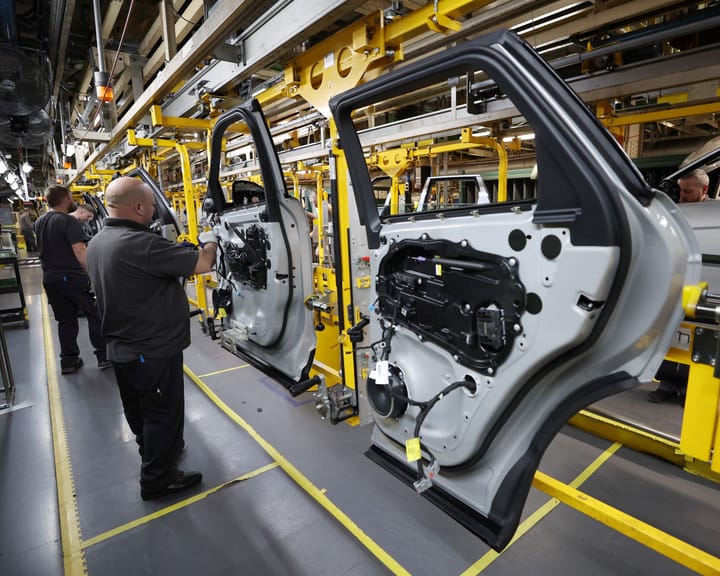
Jaguar Land Rover suppliers voice ‘everything is against us’ amid cutbacks
David Roberts, chair of Coventry-based Evtec, says the outlook for Britain’s automotive sector is grim, with “everything against us.” Evtec is a tier 1 supplier to Jaguar Land Rover, which this week announced 4,000 job cuts over two years despite chancellor John Healey’s attempt to talk
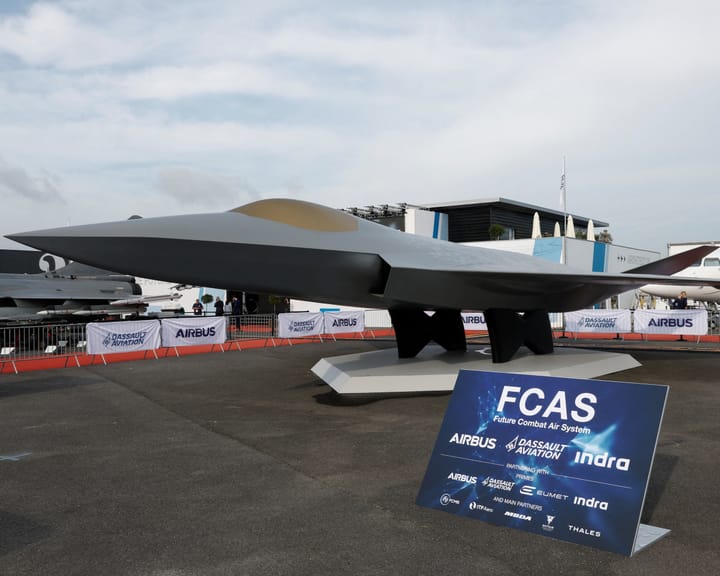
Europe’s fighter jet plans in disarray: what comes next?
When former ECB president and Italian PM Mario Draghi urged Europe to catch up economically with the US and China, defence collaboration was prescribed. No more should each nation build independent boats, tanks or jets; allies should share costs and technologies.
Europe stumbled at the first hurdle. German Chancellor Friedrich
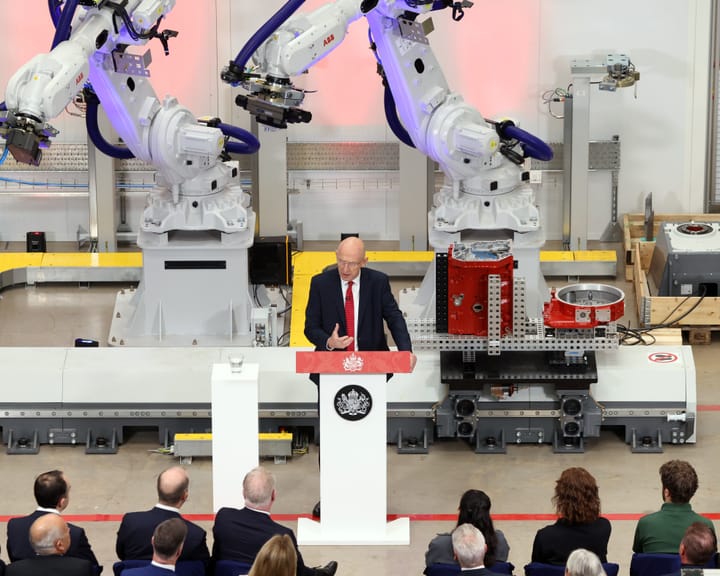
John Healey supports growth but insists Labour must be truthful about spending
John Healey has stated that his primary goal as chancellor will be to boost economic growth, while acknowledging that Labour must be straightforward about controlling public spending at next month's budget.
In his first major address since assuming the role in July, Healey said the leading focus of