
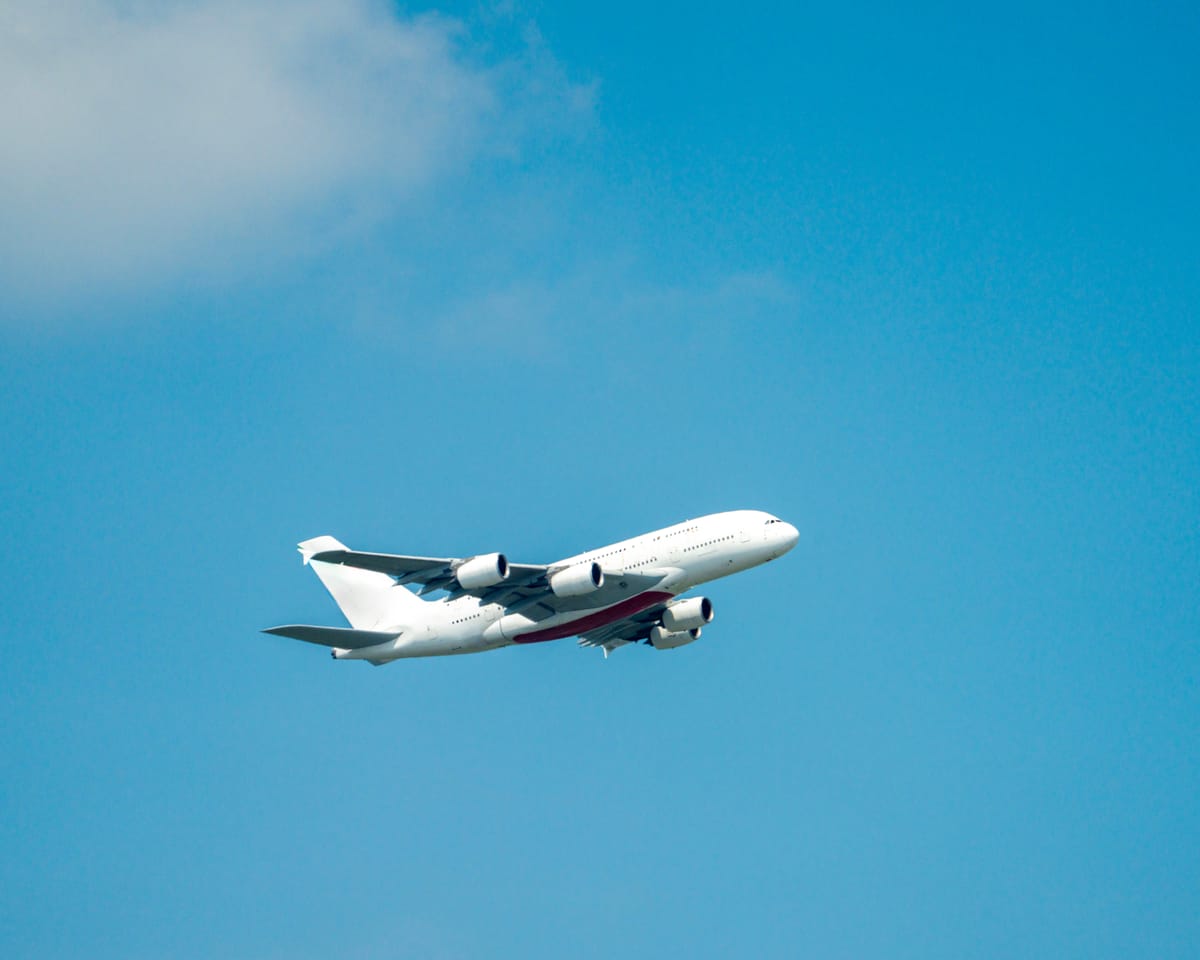
What would happen to flights if the world exhausted its oil supply? Clearly, they would be grounded. More pointedly, could airlines simply run out of aviation fuel if the Iran conflict persists and the Strait of Hormuz stays closed?
This question has never arisen before. Air travel has faced unexpected obstacles this century – COVID‑19, the 2010 Icelandic volcanic eruption that shut much of European airspace for eight days, costing about €3.75 bn and throwing supply chains into turmoil, and localized disruptions such as last year’s Heathrow substation failure and Iberian energy crisis, both of which closed airports. Yet since the dawn of aviation, a global fuel shortage has never halted flights.
How probable is such a scenario? What would it look like for travelers, governments and economies? Might there be a silver lining – reduced carbon emissions in the short term and a push toward post‑fossil‑fuel air travel in the long term?
To ease the alarm, a literal depletion of fuel is not imminent. Although 41 % of European aviation fuel passes through Hormuz and Kpler reported that global jet‑fuel and kerosene shipments dropped below 2.3 million tonnes last week – the lowest level on record – Richard Green, professor of sustainable energy business at Imperial College London, puts the numbers in perspective. The world consumes roughly 100 million barrels of oil daily, mostly from oilfields with a small share coming alongside gas. Under normal conditions about 15 million barrels a day travel through Hormuz; some can be rerouted via pipelines, the UAE’s Indian Ocean coastline, Saudi Arabia’s Red Sea coast, or increased output elsewhere. Last year production exceeded consumption, so the actual shortfall is only five to ten barrels out of every hundred.
Refineries also have flexibility in how they split crude oil. They can adjust the yields of diesel, gasoline, petrol and aviation fuel, though not without limits – turning the heaviest residue, bitumen, into jet fuel is impossible.
Long before supplies vanish, prices could spike dramatically. If the conflict continues until the end of June, Amrita Sen, founder of Energy Aspects, told the Financial Times that all stocks would be exhausted, leaving no buffer and allowing oil prices to be set arbitrarily. Even an immediate resolution would require months to restore pre‑crisis flows. Rafael Palacios, head of Imperial’s aeronautics department, notes that jet fuel has doubled in price over the past two months – a staggering rise, comparable to what car petrol cost a year ago.
Read next
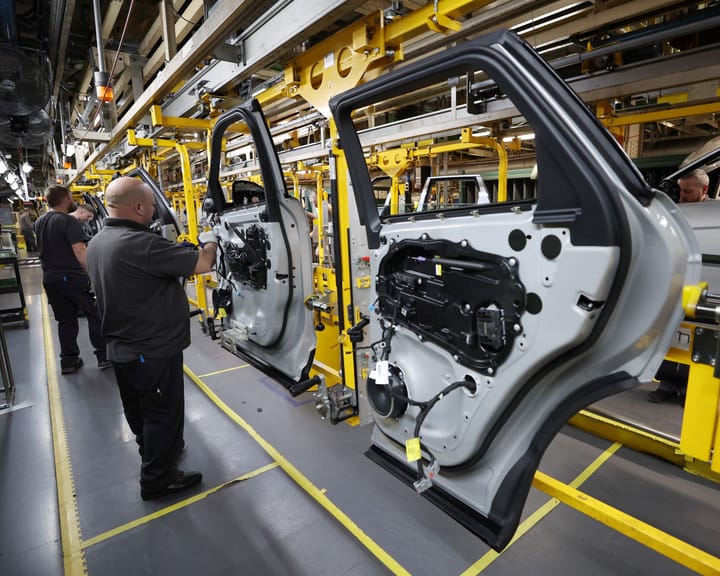
Jaguar Land Rover suppliers voice ‘everything is against us’ amid cutbacks
David Roberts, chair of Coventry-based Evtec, says the outlook for Britain’s automotive sector is grim, with “everything against us.” Evtec is a tier 1 supplier to Jaguar Land Rover, which this week announced 4,000 job cuts over two years despite chancellor John Healey’s attempt to talk
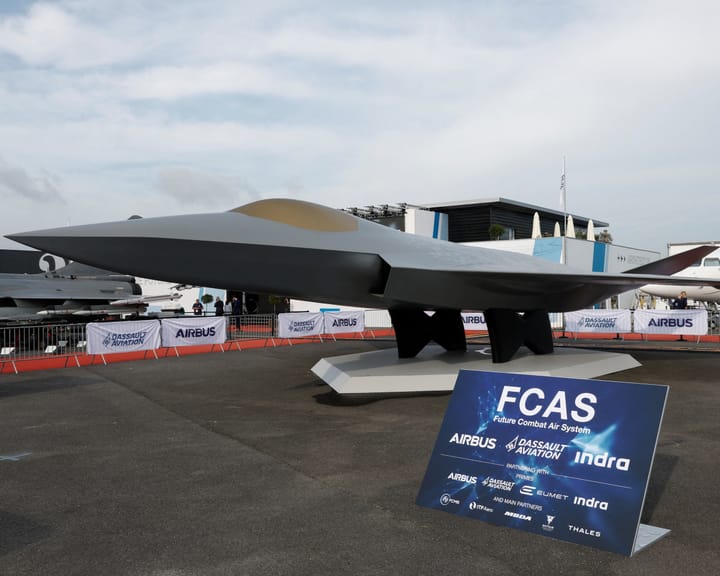
Europe’s fighter jet plans in disarray: what comes next?
When former ECB president and Italian PM Mario Draghi urged Europe to catch up economically with the US and China, defence collaboration was prescribed. No more should each nation build independent boats, tanks or jets; allies should share costs and technologies.
Europe stumbled at the first hurdle. German Chancellor Friedrich
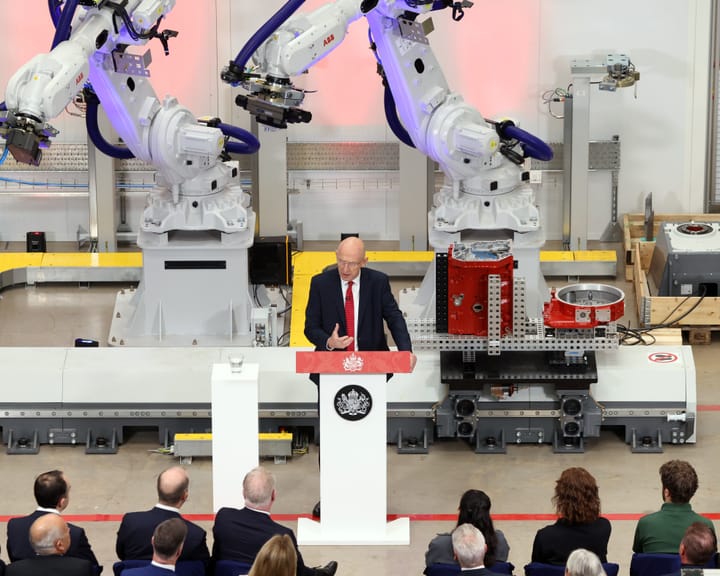
John Healey supports growth but insists Labour must be truthful about spending
John Healey has stated that his primary goal as chancellor will be to boost economic growth, while acknowledging that Labour must be straightforward about controlling public spending at next month's budget.
In his first major address since assuming the role in July, Healey said the leading focus of