
After a diplomatic career that took him to the conflict zones of Afghanistan, Iraq and Yemen, the last place Arthur Snell imagined he might narrowly escape death was on a vacation.
A near‑miss with a tumbling boulder while climbing in the Swiss Alps forced him to confront the fragility of the mountains he loves, which he recognised as increasingly unstable because of a warming climate. If physical geography shapes the way states wield power, as traditional geopolitical theory suggests, then a hotter planet is unsettling more than just rocks.
“You hear about wars and think they’re about particular sects of Islam or about US access to oil. Beneath all that, there’s a longer‑running factor that is becoming ever more significant,” says Snell, who left the UK Foreign Office in 2014 and now presents the podcast Behind the Lines.
That observation eventually led to his book Elemental, which looks at how a climate crisis that threatens the planet’s ability to support life is also fuelling conflicts from drought‑hit Africa to a thawing Arctic, and feeding the rise of far‑right populism in Europe and the United States. “It’s like hidden damp in a house – you don’t notice it, but it changes everything.”
The narrative describes a world in transition, as major powers are compelled to face fresh vulnerabilities and smaller states discover that their natural assets – from livable land to minerals essential for renewable‑energy technologies – are suddenly in high demand. (Greenland’s experience shows that such attention can be both a blessing and a burden.) What makes these shifts especially disruptive, according to Snell, is their speed. “Usually we can say, ‘In many millions of years the map will change.’ Now it is changing within a single human lifetime, and that amplifies the geopolitical stakes.”
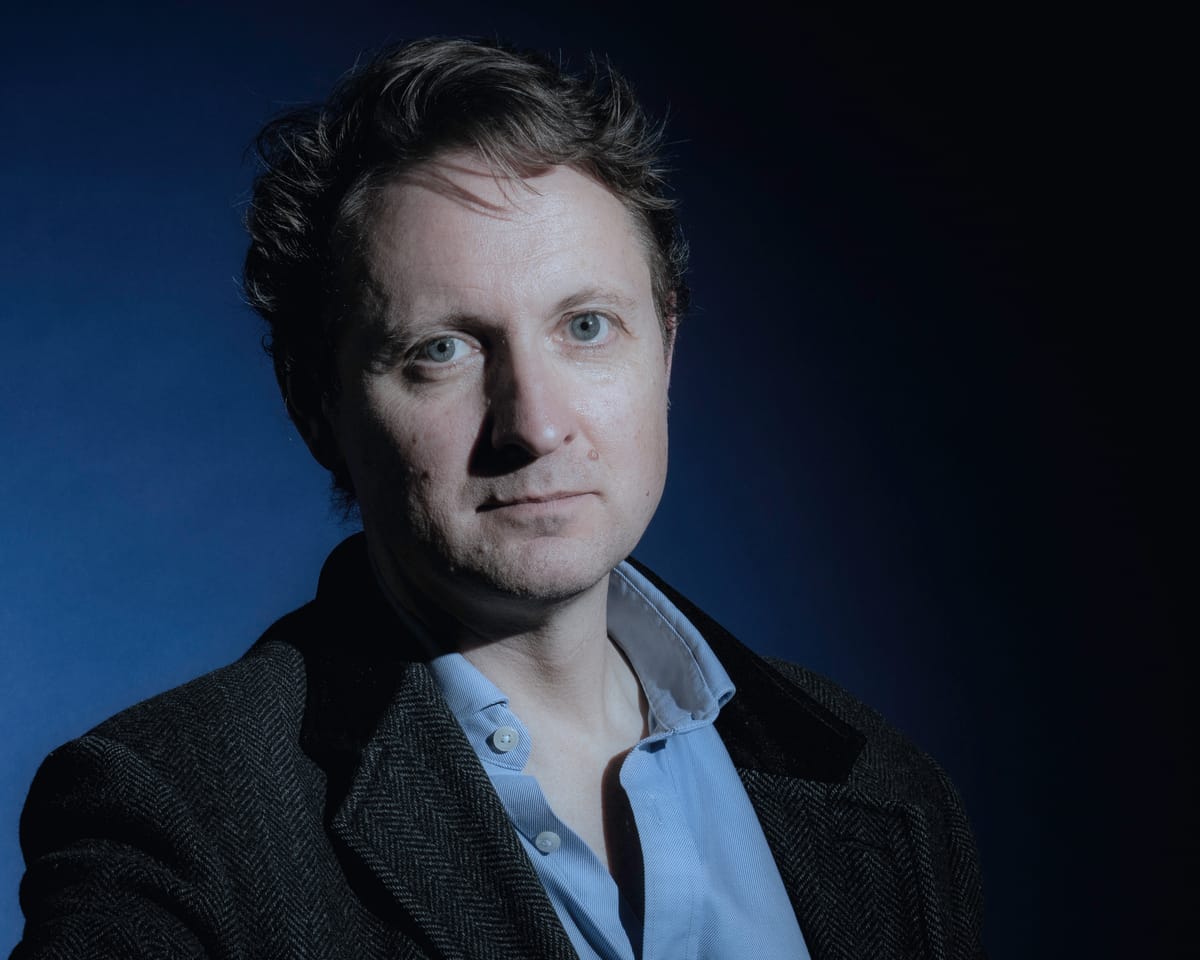
Sitting in CuriosityNews’s office in a blue shirt, the 50‑year‑old Snell appears unusually calm while discussing dire scenarios. Yet over the years he has witnessed several of them. He entered the Foreign Office after studying history at Oxford, serving in security‑sensitive areas across Africa and the Middle East, including a 2010 assignment as deputy head of the provincial reconstruction team in Afghanistan’s Helmand province, which was trying to rebuild after intense fighting in a Taliban stronghold.
His final posting was as high commissioner in Trinidad and Tobago, a role that proved less glamorous than the stereotype suggests. Despite the public image of diplomats “gliding around in lavish residences”, Snell notes the reality was quite different, especially after years of budget cuts. In Helmand he once lived “in a shipping container”; in the Caribbean he found himself clearing the official residence’s gutters before public events. “I didn’t mind; I’m not overly particular,” he says quickly. Still, he felt his time could be put to better use.
Snell does not claim to be a climate scientist or an activist, but his experience on the ground gives him a unique perspective on how environmental change is reshaping international relations.
Read next
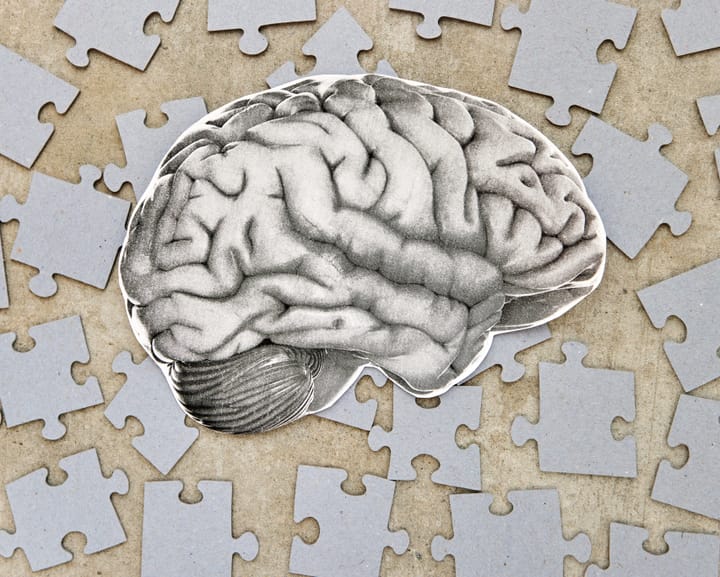
Let Your Mind Roam, Skip Retirement, and Quit Fretting: Unexpected Strategies to Shield Your Brain from Cognitive Decline
How can thinking about brain change rather than cognitive decline alter the way we think and remember?
Dr Norman Swan: There are three things you need to know which are not widely known.
Think cognitive change not cognitive decline: one way people think about our cognitive function is by comparing
Panic Attack on Public Transport Unveiled a Shocking Secret That Transformed My Life
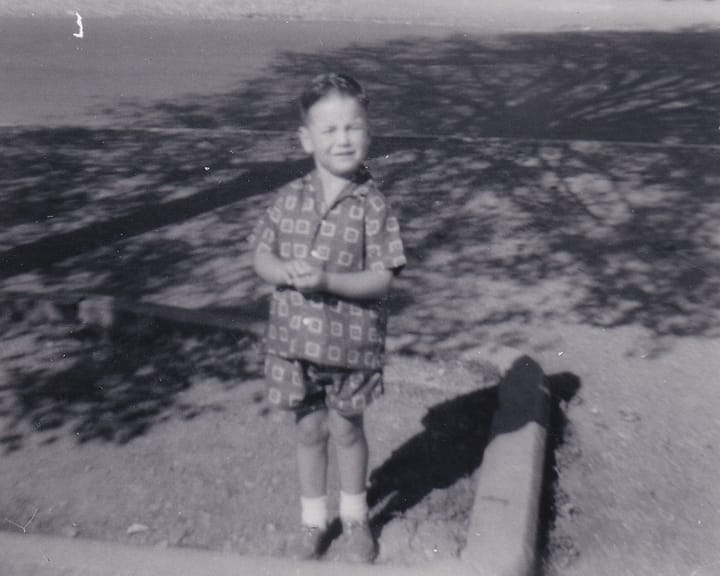
In 2000, the writer had been living in London for just over a decade and working at EMI Records for five years. Having moved to Brixton from Surrey in the late 1980s, they noticed a growing sense of anxiety and claustrophobia, particularly on public transport.
The situation worsened, leading to
Michelin Chef Opens Overseas Eateries to Counter UK Tax Pressures
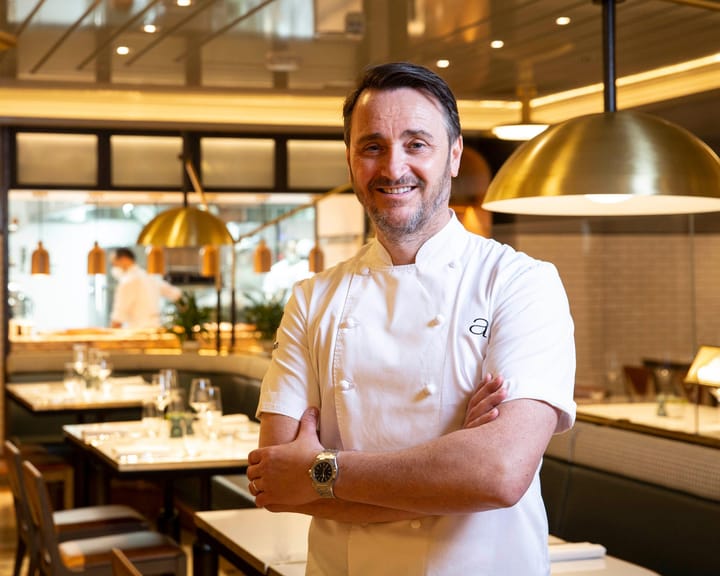
A British Michelin‑starred chef says he is opening restaurants abroad to help subsidise his UK venues amid high taxes and a troubled hospitality sector.
Jason Atherton is currently in Forte dei Marmi on the Tuscan coast, where he is readying his newest venture, Maria’s, located in the Principessa