
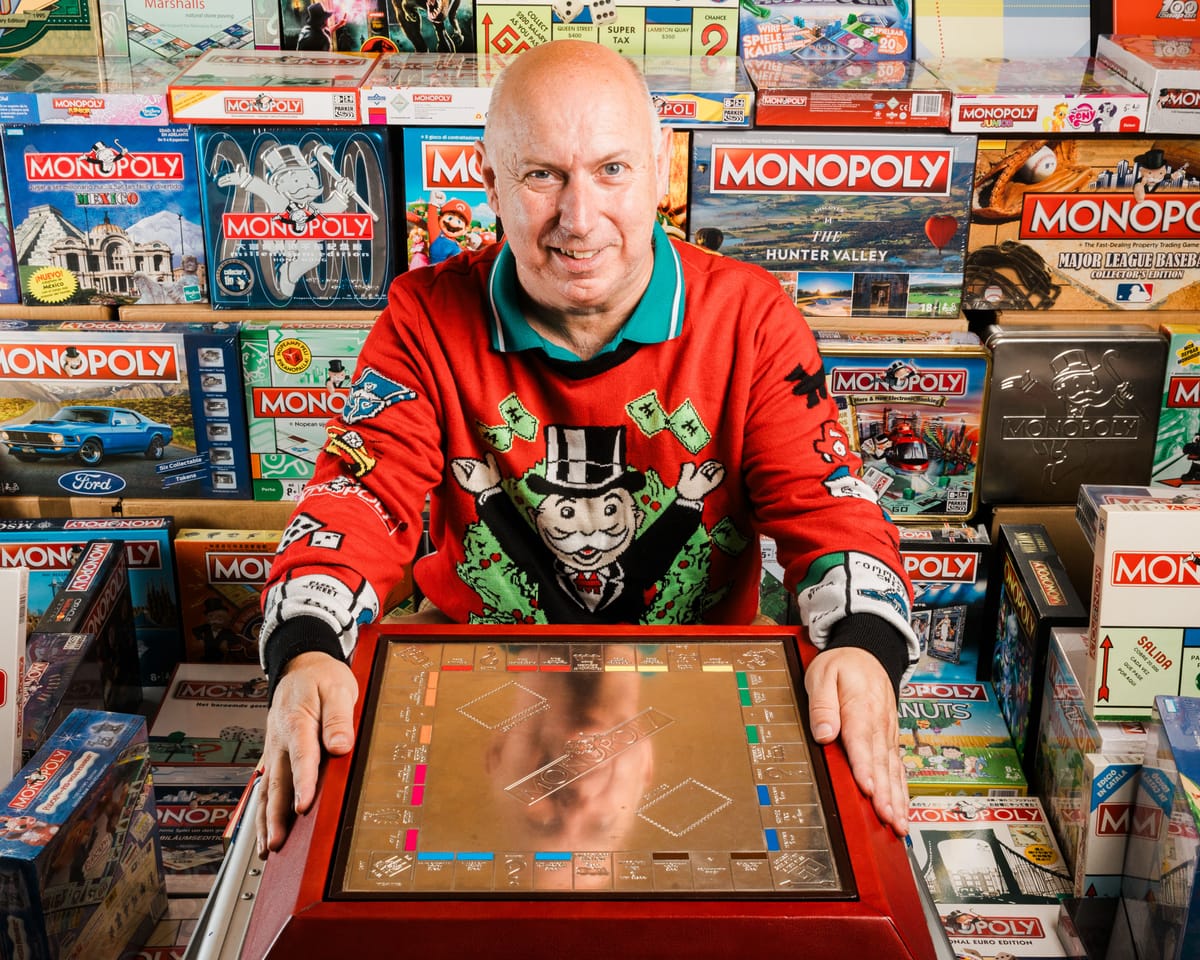
The first Monopoly board game I owned was the familiar classic edition with the well-known character on the box. I bought it as a keepsake during a trip in my 30s. Now, twenty-five years later, my collection fills a warehouse, includes four Guinness World Records, and has landed me on television a few times.
When Guinness visited my storage space last year, they spent an entire day counting. By the end, they confirmed I had 4,379 different versions—my fourth time breaking the record.
Monopoly comes in countless variations, with countries and companies regularly producing their own. For me, the excitement lies in tracking down the rare ones: anniversary releases, limited batches, or simply those that are tough to find. I even own a Park Hyatt Sydney hotel edition, typically only available to guests—I tracked down a visitor online who sold me theirs.
Over the years, I’ve likely spent around £400,000 on this passion. My long-standing job at DHL has helped fund it. The priciest in my collection is a silver edition from London, originally valued at £2,500 due to its real silver details. I found mine for far less on eBay.
For me, the appeal isn’t in playing the game. Opening a box cuts its value by nearly 90%, so I keep nearly all mine sealed. It’s like owning a luxury car but never driving it through dirt—that’s how I view my collection.
Some find it eccentric—my girlfriend especially. She gets frustrated by the space and expense, but I could never part with them. People ask: why Monopoly? Why not stamps or postcards? I think its universal recognition is part of the pull.
The hunt is half the fun. Early on, I scoured flea markets. Starting in 2000, finding a set meant digging through secondhand shops. The internet changed everything—I’ve acquired games from Japan, Brazil, and the US. Tracking a rare edition can take months. Storage is another hurdle—I rent a warehouse in Middlesex to house them all.
Some assume I never play, but I’m always game for a round. Playing doesn’t detract from collecting; rather, it reminds me why I began. Through this hobby, I’ve met others who share the interest—fellow collectors, former eBay rivals, even the curator of World of Monopoly, an online archive. Some who’ve heard of my collection have traveled here to hand-deliver a set. We’ve taken photos with new additions and my Guinness certificate, sometimes even touring London together. It’s unexpected, but it keeps me going.
Read next

Let Your Mind Roam, Skip Retirement, and Quit Fretting: Unexpected Strategies to Shield Your Brain from Cognitive Decline
How can thinking about brain change rather than cognitive decline alter the way we think and remember?
Dr Norman Swan: There are three things you need to know which are not widely known.
Think cognitive change not cognitive decline: one way people think about our cognitive function is by comparing
Panic Attack on Public Transport Unveiled a Shocking Secret That Transformed My Life
In 2000, the writer had been living in London for just over a decade and working at EMI Records for five years. Having moved to Brixton from Surrey in the late 1980s, they noticed a growing sense of anxiety and claustrophobia, particularly on public transport.
The situation worsened, leading to
Michelin Chef Opens Overseas Eateries to Counter UK Tax Pressures
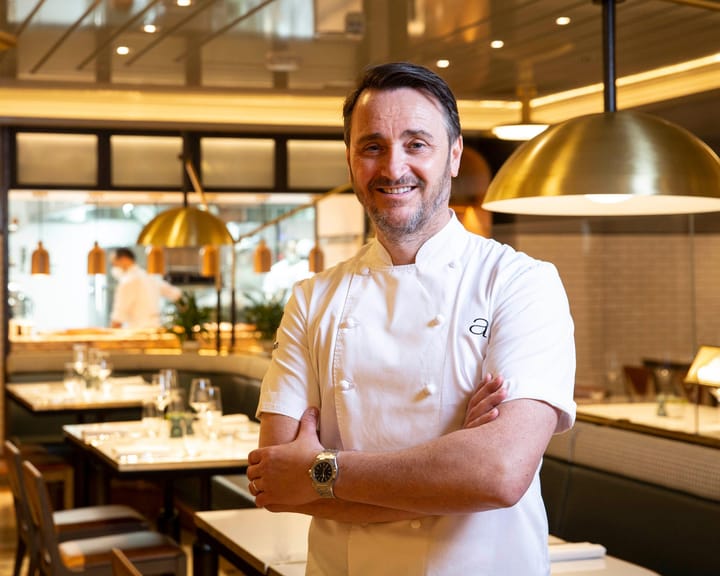
A British Michelin‑starred chef says he is opening restaurants abroad to help subsidise his UK venues amid high taxes and a troubled hospitality sector.
Jason Atherton is currently in Forte dei Marmi on the Tuscan coast, where he is readying his newest venture, Maria’s, located in the Principessa