
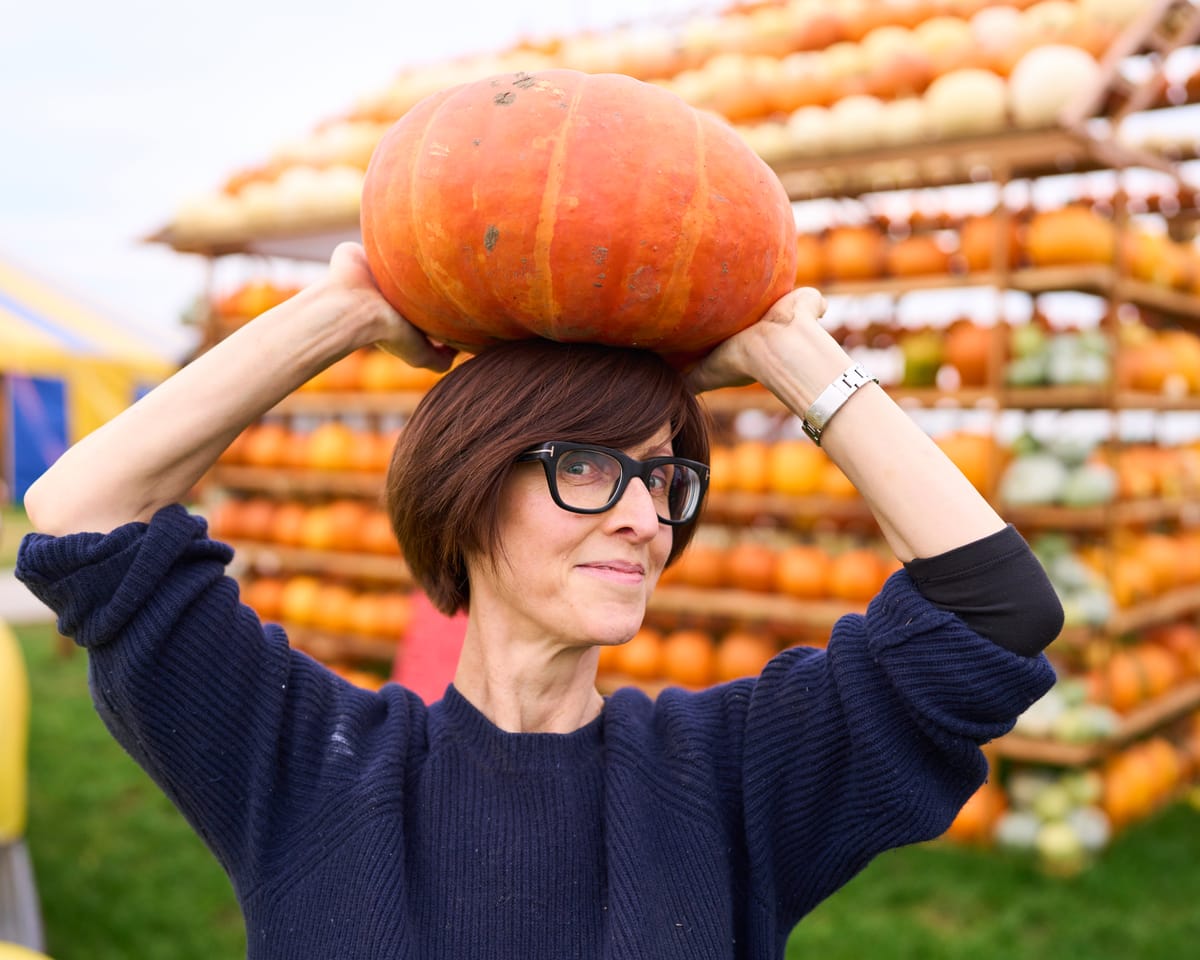
A Field in Pontefract: Embracing Autumn’s Favorite Squash
In a field in Pontefract, a child in a Spider-Man mask climbs through a heart-shaped pumpkin arch while their father, wearing a squash-themed hat, snaps photos. Nearby, a family in autumnal sweaters waits their turn on a bench draped in plaid blankets beneath a cheerful pumpkin sign. A couple stops to take pictures by a truck filled with pale-yellow gourds—her style impeccable, his dedication unwavering.
Stretching beyond them, the fields are scattered with bright orange orbs. Visitors wander with wheelbarrows, silhouetted against the fading sunlight, bending now and then to inspect their finds. Small children wobble under the weight of pumpkins nearly as big as they are. Suddenly, an energetic scarecrow, face painted orange, approaches. After admiring my companion’s jacket, he playfully chides me for not dressing the part. “Witches come in all forms,” he declares before hoisting my friend into the air like a prize pumpkin and urging a photo.
What’s behind this spectacle? It’s the height of decorative gourd season, and the UK has embraced it wholeheartedly. Supermarkets are brimming with proof: aisles lined with pumpkin-themed mugs, socks, and even baby clothes. Other stores feature everything from knitted squash decorations to oddly designed seasonal novelties. Observers of seasonal trends, like Lucy Sweet, highlight the more peculiar finds—highland cow figurines nestled in pumpkins, eerie lanterns with stitched eyes, and nutcrackers grinning with squash-like faces.
Why this fascination? I must admit—I don’t fully grasp it. My childhood Halloweens involved hollowing out swedes, not pumpkins. My own children grew up where Halloween was barely celebrated, and my sole taste of pumpkin pie left me unimpressed. Yet there’s no denying it: pumpkins have become a symbol of autumn, influencing décor, food, and festivities alike. Whether I appreciate them or not, their reign is undeniable.
Despite claims that pumpkins only arrived in the north in the 1980s, their history in the UK runs deeper. Originating in the Americas, they were introduced through early exploration. Food historian Annie Gray, author of *The Bo*, notes how these vibrant, flavorful newcomers stunned a nation previously familiar only with simpler gourds. Times have certainly changed—now, they’re an autumn staple.
Read next

Let Your Mind Roam, Skip Retirement, and Quit Fretting: Unexpected Strategies to Shield Your Brain from Cognitive Decline
How can thinking about brain change rather than cognitive decline alter the way we think and remember?
Dr Norman Swan: There are three things you need to know which are not widely known.
Think cognitive change not cognitive decline: one way people think about our cognitive function is by comparing

Panic Attack on Public Transport Unveiled a Shocking Secret That Transformed My Life
In 2000, the writer had been living in London for just over a decade and working at EMI Records for five years. Having moved to Brixton from Surrey in the late 1980s, they noticed a growing sense of anxiety and claustrophobia, particularly on public transport.
The situation worsened, leading to
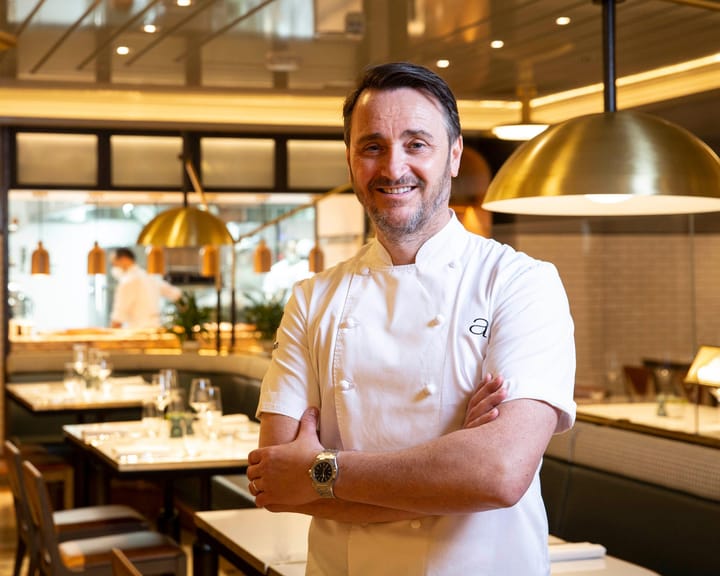
Michelin Chef Opens Overseas Eateries to Counter UK Tax Pressures
A British Michelin‑starred chef says he is opening restaurants abroad to help subsidise his UK venues amid high taxes and a troubled hospitality sector.
Jason Atherton is currently in Forte dei Marmi on the Tuscan coast, where he is readying his newest venture, Maria’s, located in the Principessa