
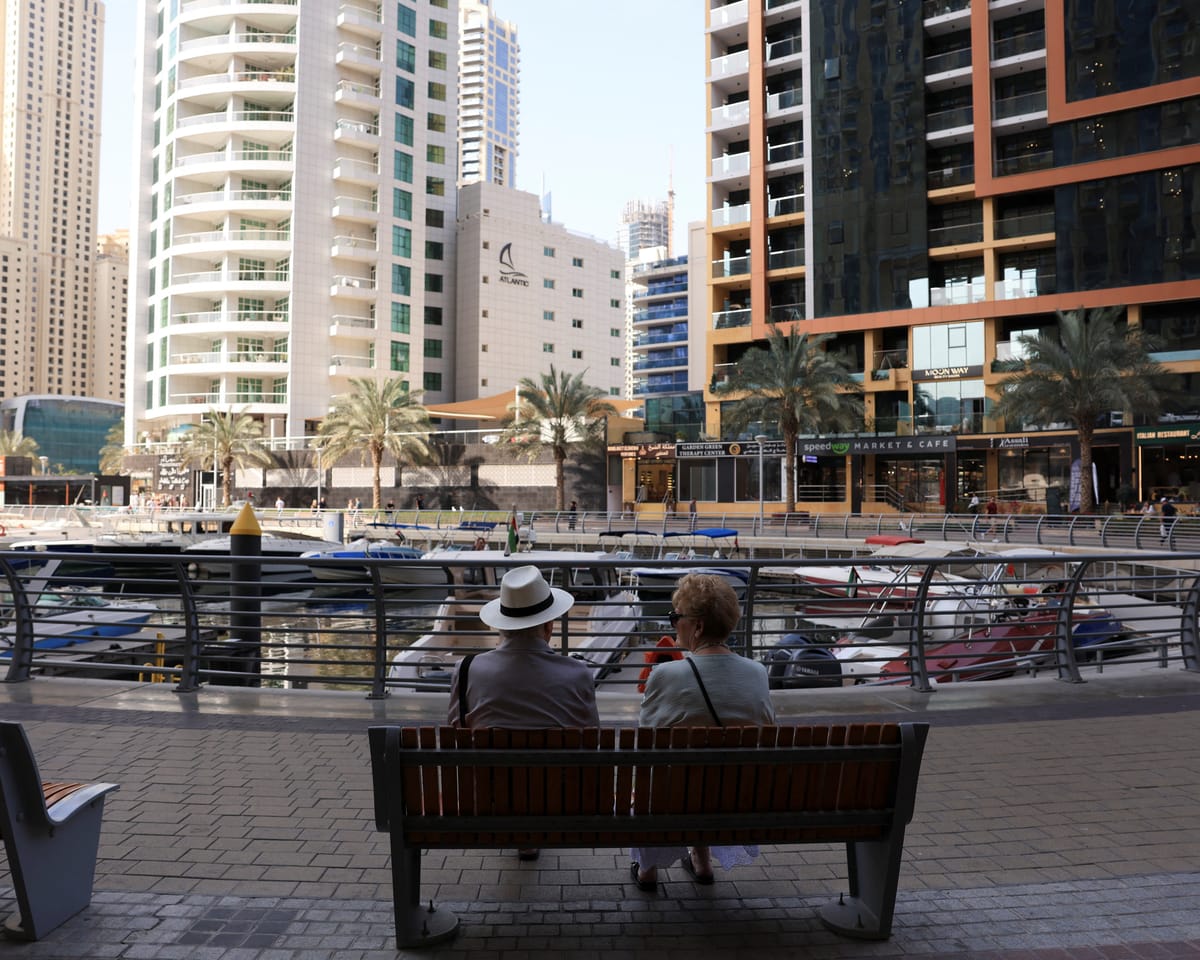
It is not always viewed favorably when the ruling family of an autocracy stages a public display of mingling with ordinary citizens.
On Monday, Sheikh Mohamed bin Zayed al‑Nahyan, who serves as both president of the United Arab Emirates and ruler of Abu Dhabi, accompanied Dubai’s crown prince, Sheikh Mohammed bin Rashid al‑Maktoum, on a walk through a Dubai shopping centre before taking a seat beside stiff‑looking officials at a prominent café’s banquette.
“French monarchs used to dine in public. I kind of like this,” one commentator wrote on social media.
The Bourbons did not enjoy a similar outcome.
At least three expatriate workers from Pakistan, Nepal and Bangladesh have died and as many as 68 have been wounded by falling debris from intercepted Iranian airstrikes aimed at Gulf states since Saturday.
A dramatic blast at the world‑renowned Fairmont hotel in Dubai provided a visual match for the headlines.
While the incident shocked onlookers, the ensuing effort by senior officials to preserve confidence has affected an estimated 250,000 British residents – a varied community of fintech entrepreneurs, affluent expatriates, salon staff, retirees and early‑career professionals, many drawn by the UAE’s tax‑free environment and perpetual sunshine.
For one British expatriate, only a few months into his Dubai posting in financial services, Saturday morning delivered a double jolt.
After hearing the thuds of the impacts, he forwarded a BBC video to colleagues, only to be instructed to delete it.
UAE authorities have warned that circulating unverified material can lead to imprisonment, and the internet briefly faltered.
“I can see how some might view that as heavy‑handed,” he said. “I think some Britons may have consulted a map for the first time to pinpoint exactly where they live.”
Could this signal the start of a retreat for the British community in the UAE, where security has long been a chief attraction?
While sympathy has been expressed in the United Kingdom for those caught up in the conflict sparked by Iran, a hint of schadenfreude has also surfaced.
One tabloid headline featuring a tearful account from socialite Petra Ecclestone read: “‘I’ve never been hit by an Iranian missile on my way to Asda’: Online users mock terrified Dubai influencers after Iranian drone barrage on expatriate hub.”
In the House of Commons, Liberal Democrat leader Ed Davey, referring to “tax exiles” such as journalist Isabel Oakeshott, partner of Reform UK deputy leader Richard Tice, argued that British protection for citizens living in the UAE should be funded by paying taxes “to support our armed forces, just like everyone else.”
Another headline declared: “End of the Dubai dream.”
Read next
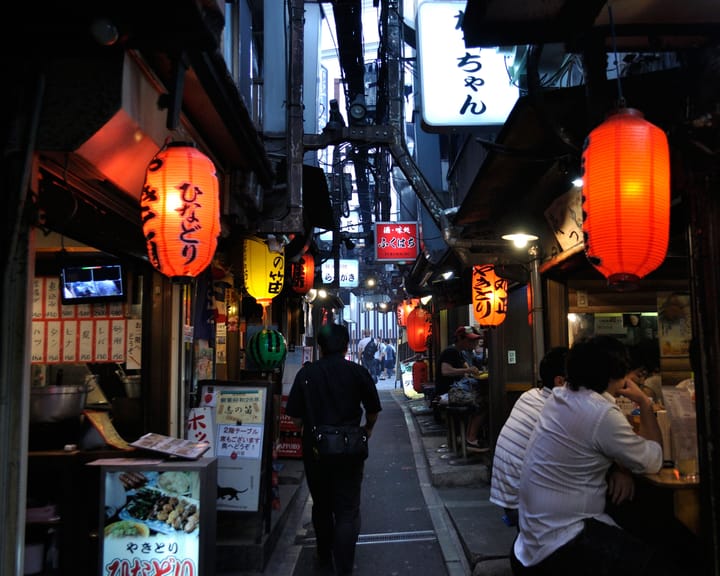
Tokyo tourist hotspot outlaws short-term rentals amid complaint surge
Shinjuku Ward, Tokyo, has moved to ban short-term rental accommodations in residential areas and near schools and important cultural sites, following a slew of complaints about visitor behaviour. The decision, to be enacted through a local ordinance, marks the latest sign that Japan’s patience with mass tourism is
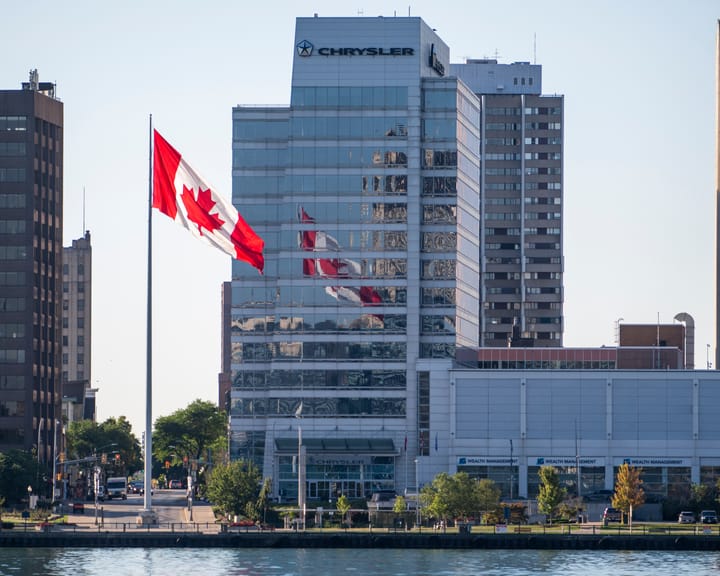
Canada implements retaliatory US tariffs as trade dispute intensifies
Canada’s retaliatory tariffs on about $20 billion worth of American imports took effect at 12.01am on Tuesday, ranging from 15% to 50% and applying to steel, dairy, appliances, agricultural equipment, pulp and paper, and electronics. The measures, a response to the United States’ 50% tariff on $20 billion
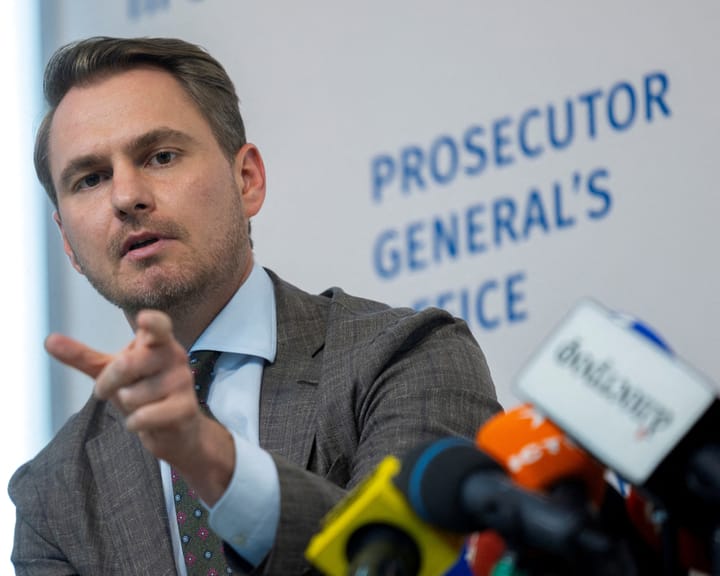
Prosecutor general resigns amid political turmoil in Kyiv during Ukraine war
Ukraine’s prosecutor general Ruslan Kravchenko resigned amid corruption accusations after anti-graft officers searched his offices at the weekend. He called the allegations “completely unsubstantiated” and denied wrongdoing. The National Anti-Corruption Bureau (NABu) and Specialised Anti-Corruption Prosecutor’s Office (Sapo) announced Saturday they uncovered a money-laundering