

Before her passing on Wednesday night, María del Carmen Abascal had become a symbol of Spain's housing crisis, just two weeks after being evicted from her Madrid home where she had resided for most of her life. The 87-year-old's situation sparked street demonstrations, a protest camp in Madrid, and prompted the socialist-led government to propose emergency housing measures. However, these measures were rejected by right-wing and far-right parties in Congress, leading Prime Minister Pedro Sánchez to announce a snap general election for late November.
Abascal's death is expected to intensify focus on housing issues in the election, highlighting the distressing impact of evictions on individuals' health. With over 42% of Spaniards citing housing access as their primary concern and rents rising by 80% in the past decade, the question arises: why did it take the eviction of an elderly woman to prompt political action? Despite ongoing protests against gentrification and overtourism, the tipping point may have finally been reached.
Recent polling by Spain’s state centre for sociological research revealed that 76.3% of respondents support state intervention in the housing market to ensure access, while 79% believe housing should be a constitutional right.
Sánchez’s government is eager to portray itself as the defender of tenants' rights and affordable housing, proposing 21 measures after their initial defeat in Parliament. These include making it easier to rent or buy homes, extending eviction protections, and imposing taxes on speculative real estate purchases.
These measures follow a promise from Sánchez to build 184,000 affordable homes. His administration has also attempted to curb rising prices by proposing rent caps in certain areas. Despite opposition, Sánchez hopes at least one decree will pass through the congress's permanent council, aiming to demonstrate serious commitment to resolving the housing crisis.
However, Alberto Núñez Feijóo of the conservative People’s Party, which opposed the measures, criticized the government's late action on housing. Leading in polls, Feijóo suggested the next government could succeed where the current one has failed, promising to build 200,000 homes annually, reduce taxes, and cut bureaucracy.
The People’s Party’s alignment with far-right Vox and the Catalan Junts party to reject the housing measures has raised questions about their commitment. Sánchez hopes this will be evident to voters as the election campaign begins and trade unions plan a general strike over housing.
Feijóo, acknowledging the gap between rhetoric and action, called for respecting Abascal's memory without politicizing her death. Despite housing being a key issue, Feijóo started his campaign in Ceuta, where a crisis involving mass crossings from Morocco occurred. He promised to prioritize the territory's safety if elected.
Read next

July 2026 Marks Worst On-Record Wildfires in England, Data Reveals
July 2026 saw the highest number of wildfires in England on record, with provisional data indicating a clear increase in the annual total. The UK experienced extreme vulnerability to climate change, as severe heat and dry conditions turned vast countryside areas into a tinderbox. This summer marked England's
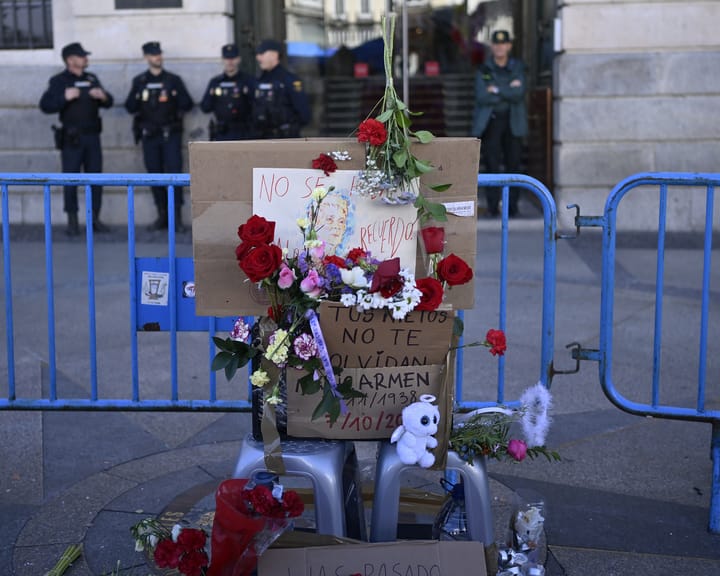
Thousands Protest in Madrid Following Death of Evicted Pensioner Maricarmen
Thousands are expected to march through Madrid on Thursday evening to honor María del Carmen Abascal, an 87-year-old whose eviction from her apartment, two weeks before her death, highlighted Spain’s housing crisis. Abascal's flat had been acquired by an investment firm that sought to increase
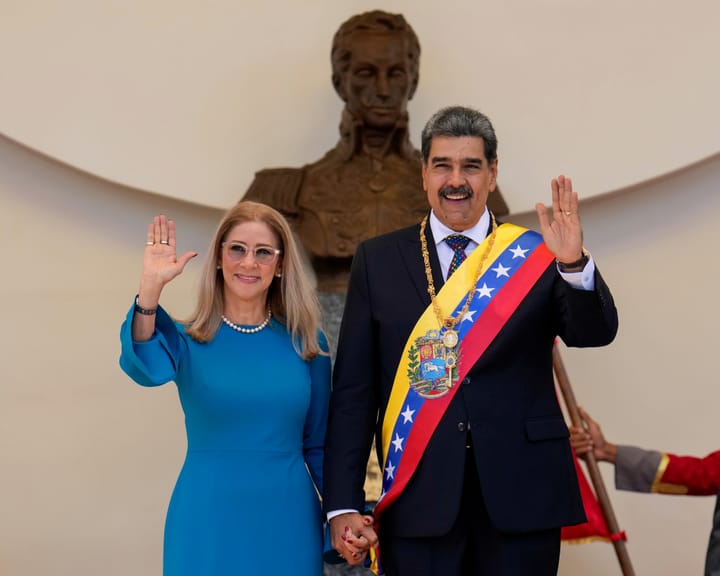
Maduro’s Wife to Seek Release from New York Detention in Court Appearance
Cilia Flores, the wife of former Venezuelan President Nicolás Maduro, was scheduled to appear in court, where her legal team will request her release from custody due to her heart condition, proposing house arrest instead.
Flores and Maduro have been detained in New York since early January, following a raid