
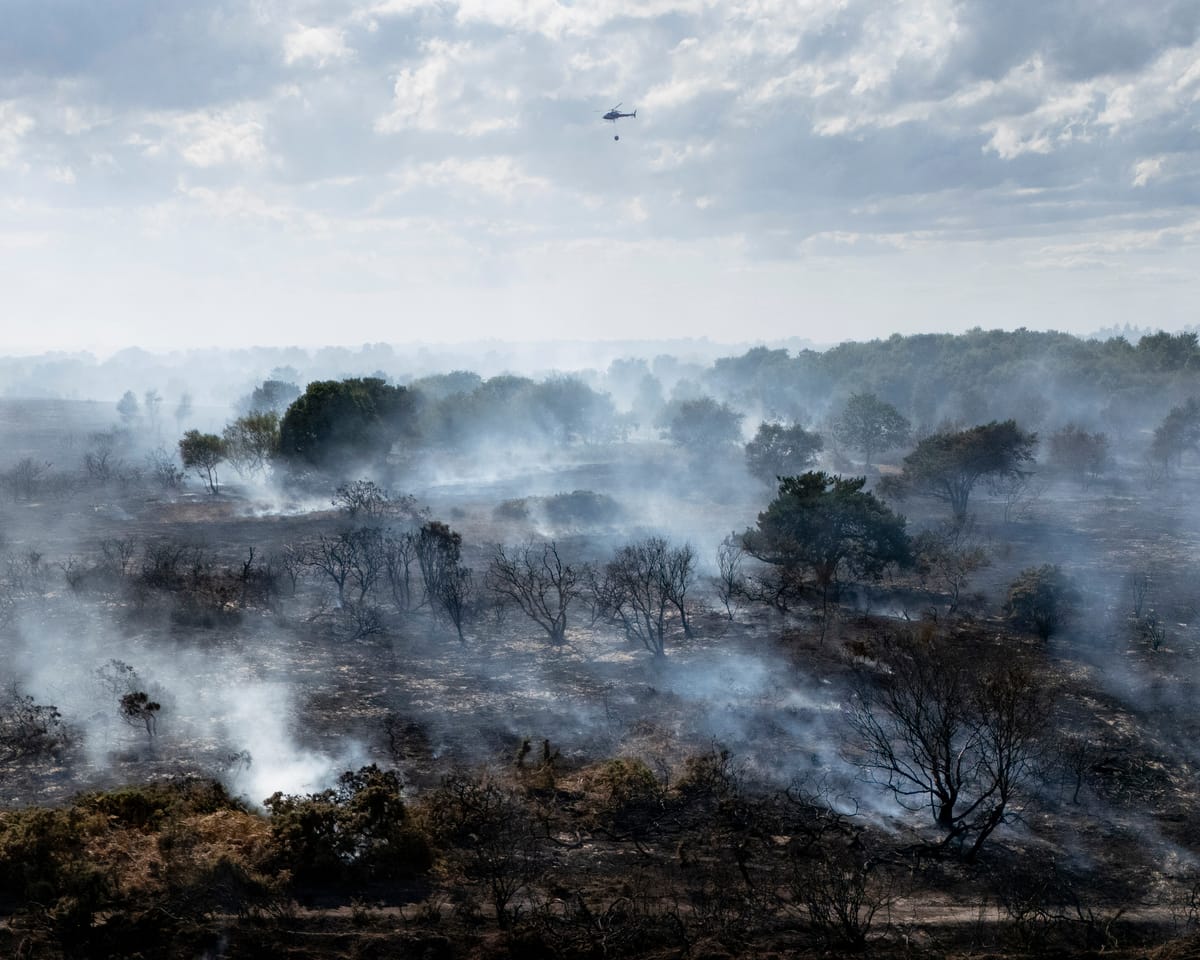
July 2026 saw the highest number of wildfires in England on record, with provisional data indicating a clear increase in the annual total. The UK experienced extreme vulnerability to climate change, as severe heat and dry conditions turned vast countryside areas into a tinderbox. This summer marked England's most intense wildfire season, with 1,354 incidents recorded so far, 624 occurring in July alone. This makes 2026 the second-worst year for wildfires, following 2022, which had 1,592 incidents.
One of the most devastating fires this July approached the Sizewell B nuclear power station in Suffolk and ravaged a protected nature reserve. According to the Met Office, 2026 was the UK's hottest year on record, with 40 days exceeding 30°C (86°F), surpassing the previous record of 34 days. Scientists attribute this unprecedented heat to climate change driven by fossil fuel use.
This year also recorded the first wildfire-related fatality in the data series from 2010 to 2026. A 70-year-old man died in Gloucestershire after a fire spread through fields near Berrington Road and Castle Gardens. Reports emerged that the government quietly dropped plans to prepare for wildfires, despite evidence that fire crews lack adequate protective gear.
Alistair Carmichael, chair of the Commons environment, food, and rural affairs committee, raised concerns about whether more resources could have altered the impact of this summer's wildfires. While 2026 is the second-worst year for wildfires, it holds the record for woodland and forest fires, with 88 incidents.
After a wildfire threatened homes in Stourbridge in August, Prime Minister Andy Burnham called an emergency meeting and temporarily banned disposable barbecues. Data reveals a steady increase in wildfires: from consistently under 750 annually between 2010 and 2017, four out of the last nine years exceeded 950 incidents.
Environmental campaigner Guy Shrubsole criticized governments for not addressing the escalating wildfire threat, urging the upcoming Wildfire Summit to implement radical changes. He called for restoring peat bogs, ponds, and wetlands and reducing fossil fuel use to mitigate wildfire risks.
A government spokesperson acknowledged the challenges of this wildfire season, stating that nearly £100 million had been invested in upgrading national resilience assets. They emphasized efforts to convene a summit with fire and rescue services to ensure proper equipment and resources for wildfire preparedness.
Read next
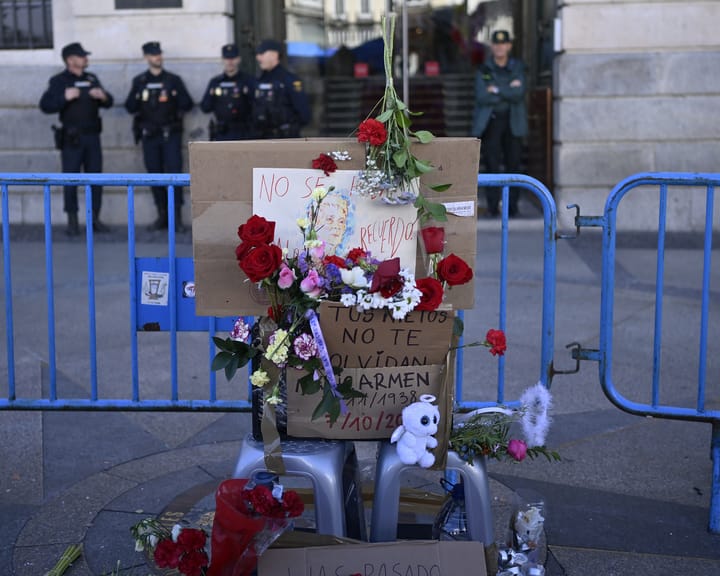
Thousands Protest in Madrid Following Death of Evicted Pensioner Maricarmen
Thousands are expected to march through Madrid on Thursday evening to honor María del Carmen Abascal, an 87-year-old whose eviction from her apartment, two weeks before her death, highlighted Spain’s housing crisis. Abascal's flat had been acquired by an investment firm that sought to increase

Maduro’s Wife to Seek Release from New York Detention in Court Appearance
Cilia Flores, the wife of former Venezuelan President Nicolás Maduro, was scheduled to appear in court, where her legal team will request her release from custody due to her heart condition, proposing house arrest instead.
Flores and Maduro have been detained in New York since early January, following a raid

Can Sánchez Assure Spanish Voters of Equitable Housing Solutions?
Before her passing on Wednesday night, María del Carmen Abascal had become a symbol of Spain's housing crisis, just two weeks after being evicted from her Madrid home where she had resided for most of her life. The 87-year-old's situation sparked street demonstrations, a