
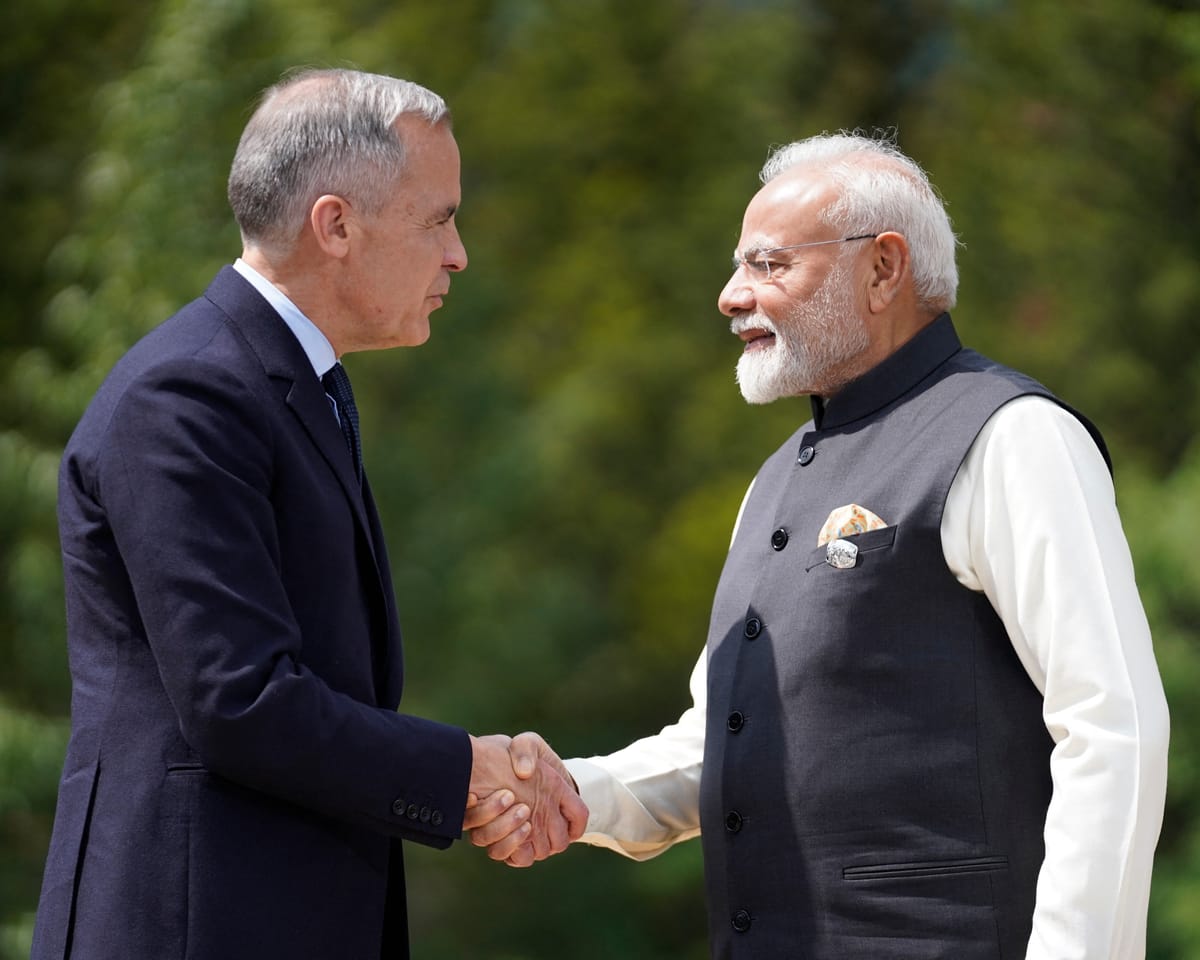
It is rare for the heads of two nations that have exchanged accusations of murder, extortion and terrorism to sit down a few months later on amicable terms.
Yet, describing a “rupture in the world order,” Canadian Prime Minister Mark Carney is set to meet Indian Prime Minister Narendra Modi on Monday in an effort to mend the strained relationship between their countries.
The meeting signals a sharp reversal for both governments, which have been mired in diplomatic deadlock for more than eighteen months. It also arrives as each nation finds itself at odds with its biggest trading partner, the United States.
Carney’s trip to India is his second such visit in as many months. In January he led a delegation of ministers and senior provincial officials to China, seeking to reset ties with Beijing and underscoring his administration’s attempt to hedge against trade uncertainty with the United States.
Since taking office, Carney has spent much of his tenure urging other states to rethink political and economic links in light of weakened global institutions and shifting alliances.
Although Canada and the United States share the world’s longest undefended border and one of the most integrated economies, the U.S. under Donald Trump has repeatedly pressured Canada, prompting Carney to promise a doubling of Canada’s non‑U.S. exports within ten years – a goal that has turned his attention toward India.
“India is currently the most populous nation and, by most measures, the fastest‑growing large economy,” said Partha Mohanram, director of the India Innovation Institute at the University of Toronto. “It is a substantial market to align with. Many other economies, even wealthy ones, are stagnant because of demographic trends. A partnership with India offers access to a rapidly expanding market.”
‘Both countries feel ill‑treated by the U.S.’
Bilateral trade is modest, amounting to under C$15 billion, and Canada’s Indo‑Pacific strategy lists India as a key regional trading partner. Prior to his Delhi visit, Carney and his team met business leaders in Mumbai.
A senior Canadian official told CuriosityNews that there is optimism a ten‑year, US$2.8 billion uranium supply agreement could become one of the most concrete results of the trip.
India has recently brokered a truce with the United States after disputes over market access and its sizable imports of Russian crude. Yet the unpredictability of Washington’s adherence to its own accords leaves the durability of that truce in doubt.
“Misery loves company. Both nations share a sense of being mistreated by the United States,” Mohanram observed. “There are also clear complementarities. India is a major energy importer; Canada is a major energy exporter. That currently makes Canada an attractive partner for India.”
Mohanram notes that the two countries possess considerable areas of mutual cooperation.
Read next
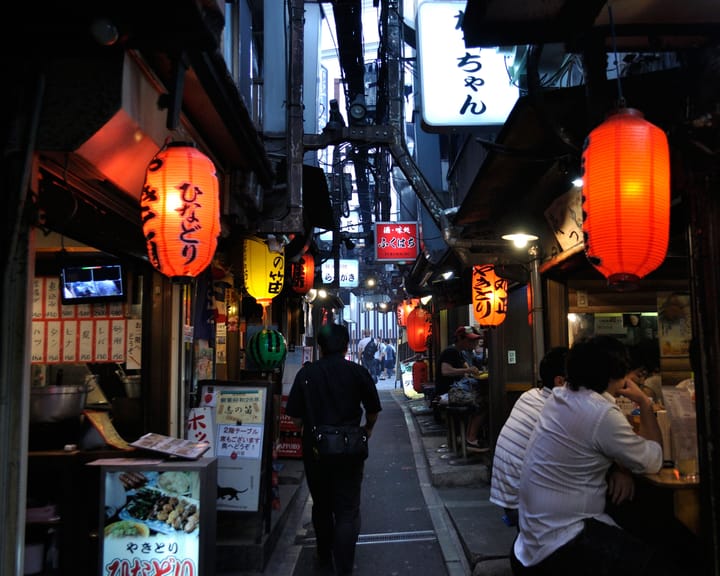
Tokyo tourist hotspot outlaws short-term rentals amid complaint surge
Shinjuku Ward, Tokyo, has moved to ban short-term rental accommodations in residential areas and near schools and important cultural sites, following a slew of complaints about visitor behaviour. The decision, to be enacted through a local ordinance, marks the latest sign that Japan’s patience with mass tourism is
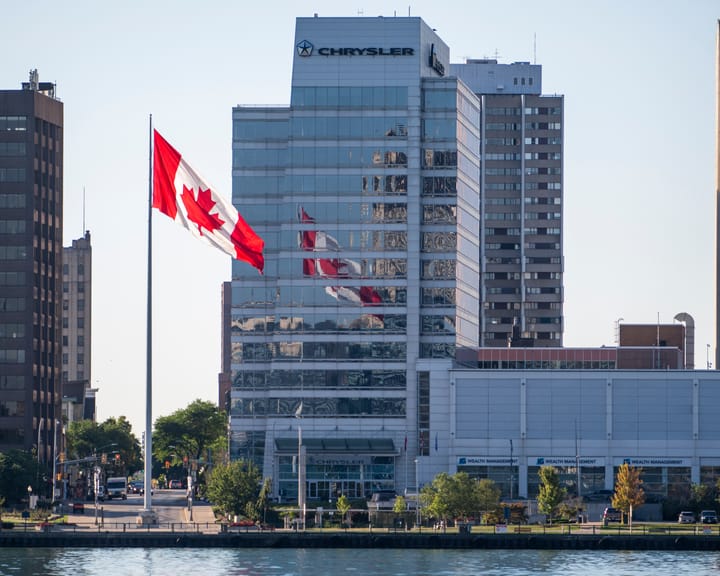
Canada implements retaliatory US tariffs as trade dispute intensifies
Canada’s retaliatory tariffs on about $20 billion worth of American imports took effect at 12.01am on Tuesday, ranging from 15% to 50% and applying to steel, dairy, appliances, agricultural equipment, pulp and paper, and electronics. The measures, a response to the United States’ 50% tariff on $20 billion
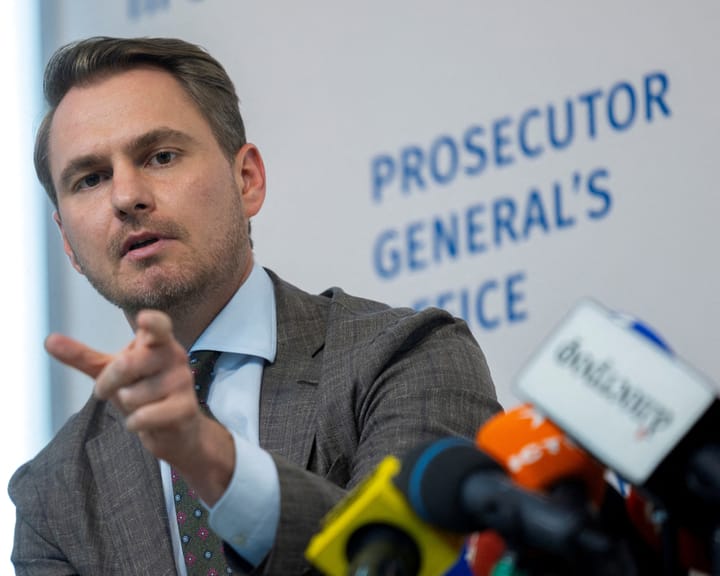
Prosecutor general resigns amid political turmoil in Kyiv during Ukraine war
Ukraine’s prosecutor general Ruslan Kravchenko resigned amid corruption accusations after anti-graft officers searched his offices at the weekend. He called the allegations “completely unsubstantiated” and denied wrongdoing. The National Anti-Corruption Bureau (NABu) and Specialised Anti-Corruption Prosecutor’s Office (Sapo) announced Saturday they uncovered a money-laundering