
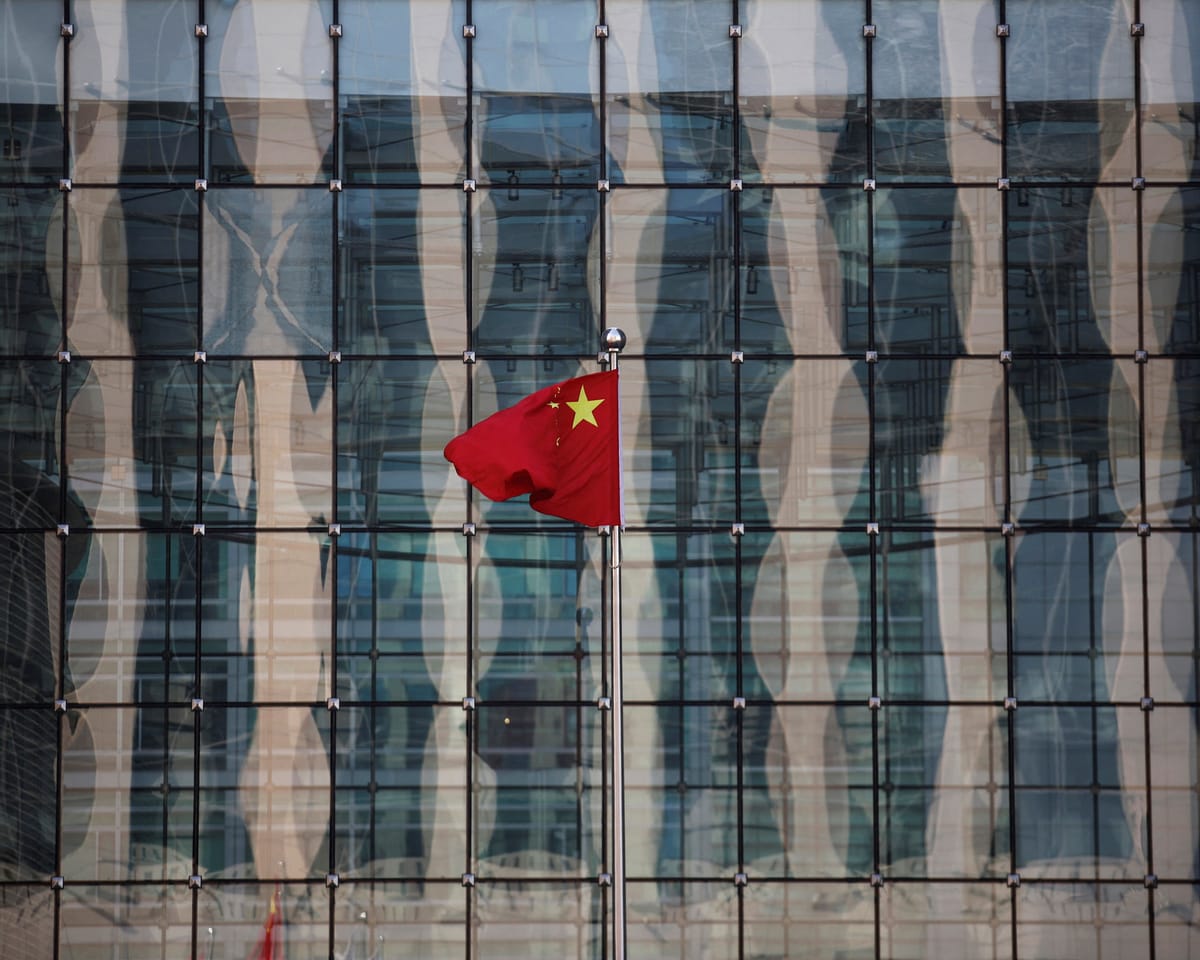
China has announced a 54bn dollars (£40bn) capital injection into its financial sector, as Beijing moves to strengthen banks and insurers amid slowing economic growth.
Several financial institutions confirmed they will receive billions of yuan in capital from state bodies, including the ministry of finance and the company that oversees the country's tobacco monopoly.
The funding is intended to enhance the financial sector's capacity to invest in the stock market and extend credit to businesses, as the world's second largest economy struggles to overcome sluggish growth.
China Life Insurance, the country's largest life insurer, will receive 35bn yuan, while the China Taiping Insurance Group said it would get 7bn yuan.
The People's Insurance Company of China announced plans to raise up to 15bn yuan through a private placement of A-shares, which are shares denominated in yuan and traded on Chinese stock exchanges, to the ministry of finance, with the proceeds going toward replenishing its capital base.
The initiative could help reinforce state insurers that have been instructed by Beijing to support the stock market with medium- and long-term funds, while equipping them to assist regulators in overseeing smaller, higher-risk insurance companies.
The insurance sector has faced declining profitability due to persistently low interest rates, with many small and mid-sized insurers reporting worsening solvency ratios, a key indicator of financial health.
"The injection is an important step by the country to enhance the financial sector's ability to serve the real economy and promote the high-quality development of the financial and insurance industries," China Life said, adding that it would strengthen the group's capacity to absorb risk.
Separately, three state lenders announced on Sunday that they will also receive a combined 290bn yuan in capital injections.
The plan was initially unveiled at an annual parliamentary meeting in March, extending a financing mechanism that had supported some other major state banks last year.
Agricultural Bank of China and Industrial and Commercial Bank of China, two of the country's largest state banks, said they planned to raise up to 160bn yuan and 100bn yuan respectively through private A-share placements to the finance ministry, China National Tobacco Corp and its subsidiaries.
The two lenders stated that the proceeds would be used entirely to replenish cash reserves, supporting their capacity to sustain credit expansion, as Beijing relies on state banks to underpin growth despite weak demand for loans.
Read next

Far-right AfD wins major German state election but likely short of full majority
The populist far-right, anti-immigration Alternative für Deutschland has emerged as the winner in a state election in Germany, exit polls have projected, but it remains unclear whether it will be able to form a government and become the first far-right party to gain power at regional or
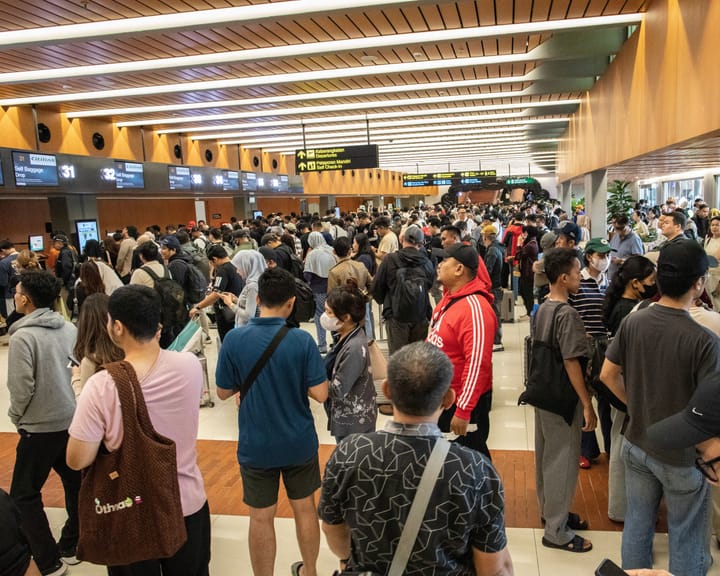
Indonesia volcano eruption strands 170,000 travelers, shuts eight airports
Indonesia shut down its primary international airport and seven others on Sunday, stranding roughly 170,000 passengers and grounding hundreds of flights after Mount Anak Krakatau ejected volcanic ash and lava from a distance exceeding 150km.
Classes in schools across Jakarta were moved online on Monday, according to a city

Germany's far-right AfD celebrates Musk's endorsement while France calls state election victory a 'serious moment'
The politician who guided the far-right Alternative für Deutschland to a historic state election victory in Germany expressed gratitude to Elon Musk for his backing, as a French minister cautioned that this represented a "serious moment" for Europe.
The AfD more than doubled its vote share in