
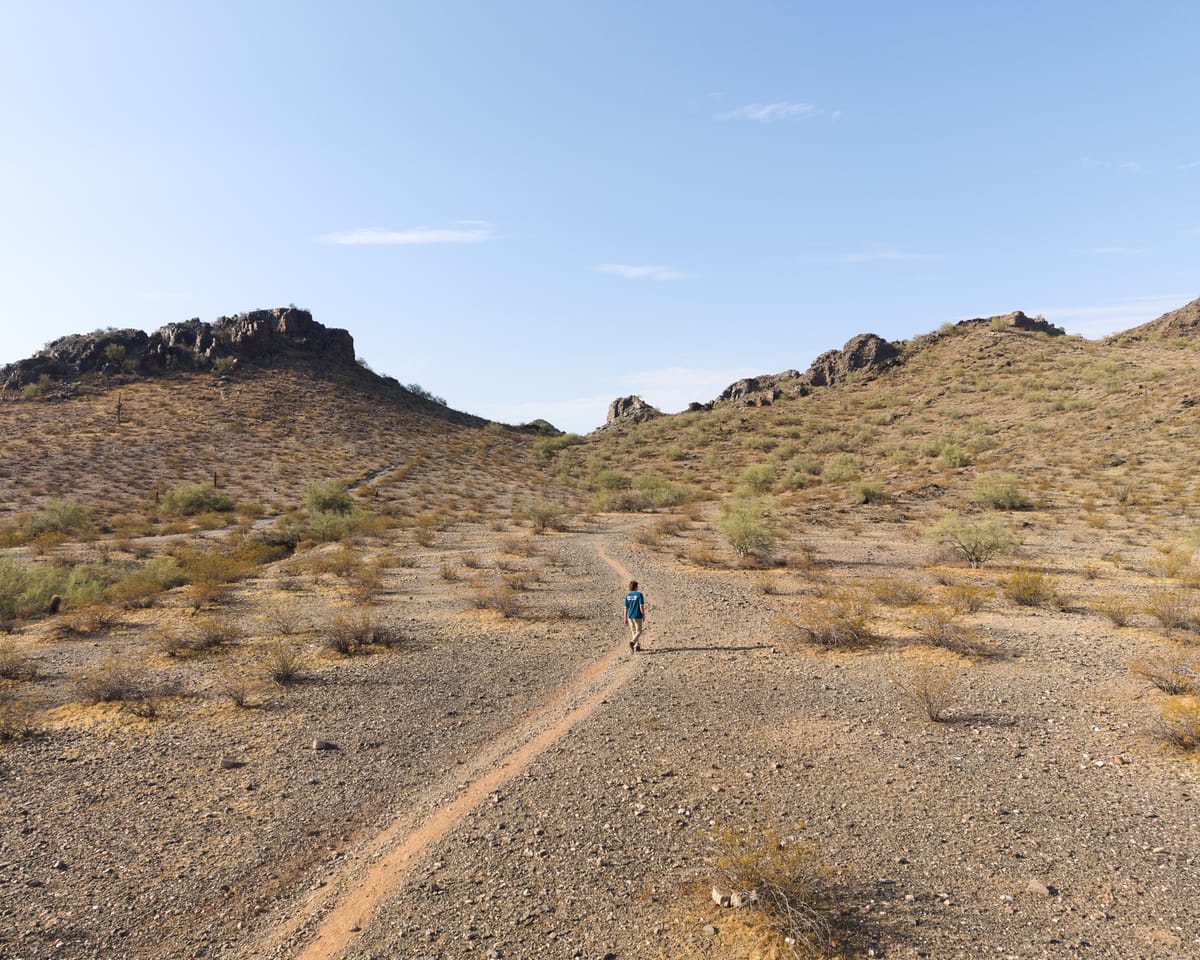
Around midnight, Mykhailo Polyakov left a beach with his camera, a coconut and a can of Diet Coke. The 24-year-old from Scottsdale, Arizona, steered an inflatable dinghy into the Bay of Bengal, moving slowly to avoid being seen.
Hours later, a low-lying island appeared on the horizon. With the sun overhead, Polyakov cut the engine and switched on his GoPro. He announced his plan to introduce a Palaeolithic tribe to modernity, then headed for shore.
North Sentinel Island is part of India's Andaman archipelago. Approaching within 5km is prohibited, and patrols monitor surrounding waters. Polyakov aimed to film the Indigenous inhabitants, known as the Sentinelese.
The Sentinelese are considered the most isolated people on Earth. Estimated at around 100, they are hunter-gatherers whose language remains unknown. They reject contact and have violently resisted outsiders. An American missionary was killed by arrows in 2018, and two Indian fishers died in 2006 after drifting ashore.
Polyakov, now 26 and a finance graduate, believed the dangers were exaggerated. He wanted high-quality footage to replace grainy 1990s video. He brought a mirror, a whistle, a Diet Coke and a coconut as gifts.
Survival International estimates 196 Indigenous communities live in voluntary isolation, mostly in South America, with others in Indonesia, West Papua and the Andaman and Nicobar Islands. They have chosen to reject the industrialised world.
Outsiders increasingly seek contact for content. Survival and similar groups report a rise in influencers pursuing "first contact" footage. The issue was raised at a January summit in Jakarta and a UN meeting in Brazil in June.
GTI PIACI, an alliance of 21 Amazon and Gran Chaco organisations, is alerting its network. Secretary Daniel Aristizábal in Bogotá said influencers "have money" and the trend must be addressed.
Survival monitors social media for potential offenders. Sophie Grig, head of advocacy and research, described it as an "emerging threat." The charity tracks around a dozen accounts, mostly run by white men in South America or Asia, whose content often features weapons, snakes or ayahuasca.
Uncontacted populations lack immunity to common diseases. Indigenous leader Beto Marubo from Brazil's Javari valley warned that contact could wipe out isolated groups in days. Brazil ended forced contact missions in 1987 due to epidemics.
Polyakov dismissed Survival's criticism, citing his vaccination and questioning the existence of truly uncontacted people. Grig countered that voluntary isolation reflects an active choice to remain undisturbed, often due to past trauma.
International law supports the right to self-isolation, though enforcement varies. In Peru, fines exist but are rarely applied. Content creators are motivated by platform incentives for exclusive footage.
Polyakov's YouTube channel, @Neo-Orientalist, describes him as a documentary maker. He rejects the influencer label. He stated his objective was filming rather than contact. On his third attempt in March 2025, he reached North Sentinel but failed to draw anyone out. He walked the beach for 5–10 minutes, blew his whistle, then tossed the Coke can toward shore and left.
Police later arrested him after he forgot to remove his camera's memory card. He pleaded guilty and received a 25-day sentence and a £120 fine.
His YouTube video drew largely negative comments. Polyakov blamed media bias and described Survival's agenda as "misguided." He pointed to plastic waste on the beach as evidence the Sentinelese know of the outside world.
Other content creators are harder to classify. Survival monitors several accounts, including individuals who publicly plan visits to North Sentinel or claim to film in uncontacted territory. Some pose as legitimate while covertly seeking isolated groups.
Nathan Seastrand, a US filmmaker based in Paraguay, presents himself as a champion of the Chaco and its Indigenous Ayoréo people. Another influencer accused him of obsessing over uncontacted Ayoréo, setting trail cameras and attempting to acquire a thermal drone.
An estimated 150 uncontacted Ayoréo remain in the Chaco. Paraguay's 2018 protocol requires prevention of unwanted contact but does not specifically outlaw it. The collaborating influencer alleged Seastrand paid Ayoréo leaders and gave alcohol for access. Seastrand denied coercion, stating all access was authorised and friendships developed over time. He claimed his trail cameras targeted jaguars. In August, a Paraguayan court ordered removal of his camera traps following intervention by the National Indigenous Institute.
Before content creation, Seastrand served as a Mormon missionary, baptising over 30 people.
The link between missionaries and influencers is direct. John Allen Chau, killed by the Sentinelese in 2018, documented his efforts on Instagram and had endorsement deals. Survival initially assumed he was an influencer.
Paul Rosolie, founder of Junglekeepers, shared footage of uncontacted Mashco Piro in Peru, released exclusively to podcaster Lex Fridman before his book launch. Rosolie, with 2 million Instagram followers, has appeared on major podcasts. Junglekeepers raised $3.3m in 2024, protecting over 135,000 acres. Survival criticised his language as sensationalist and dehumanising.
Rosolie denied breaking the law and said his statements highlighted the need for protection. Junglekeepers' strategy of purchasing rainforest contrasts with Survival's advocacy for Indigenous land control.
Mike Corey, known as Fearless & Far, markets courses and retreats with footage of his visits to contacted tribes. With 3.1 million YouTube subscribers, he has visited about 40 tribes. He credits himself with pioneering "immersive" content featuring the Hadza of Tanzania, though he acknowledges the impact of tourism is mixed. He criticised newer creators for scripting encounters or coercing performances.
Corey stated he seeks human connection and documents vanishing cultures. He claims stays are pre-arranged, hosts are compensated, and permission is always requested. A video of his stay with Namibia's Himba people prompted accusations of exploitation.
Some critics argue social media platforms impose a western perspective that distorts portrayals of Indigenous peoples, a phenomenon termed "platform imperialism."
María José Andrade Cerda, a Kichwa community member from Ecuador, blocks such videos. She collaborated with creator Nolan Hansen on a WaterAid video that reached 127m views. She criticised creators for oversimplifying cultures while ignoring Indigenous rights issues, such as protests against oil exploration in the Amazon.
Some Indigenous communities now market directly to tourists. Ecuador's Waorani tribe offers stays through operators like Boya Tegairis, who promotes "100% Authentic Tours" on Instagram. Boats pass through territory of uncontacted Waorani, who have attacked outsiders, though no stops are made and waivers are signed.
Read next
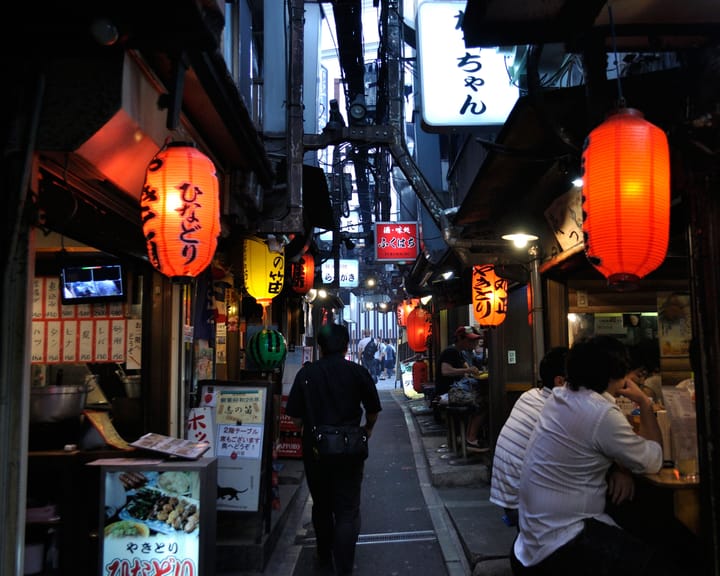
Tokyo tourist hotspot outlaws short-term rentals amid complaint surge
Shinjuku Ward, Tokyo, has moved to ban short-term rental accommodations in residential areas and near schools and important cultural sites, following a slew of complaints about visitor behaviour. The decision, to be enacted through a local ordinance, marks the latest sign that Japan’s patience with mass tourism is
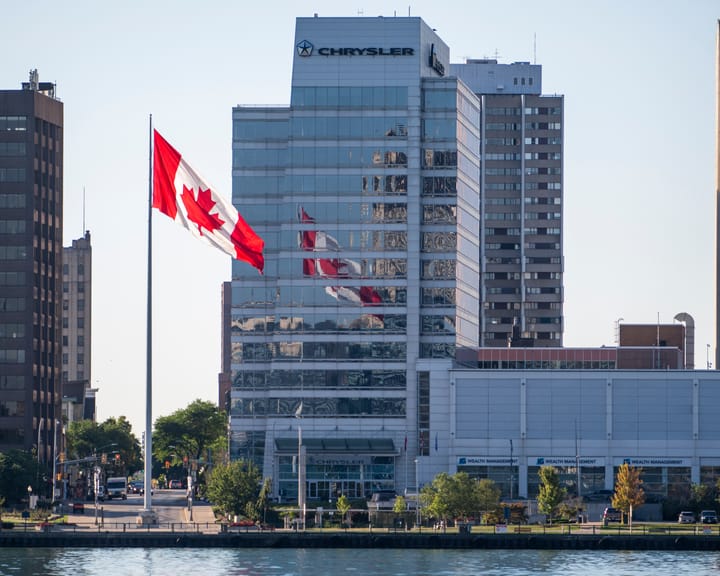
Canada implements retaliatory US tariffs as trade dispute intensifies
Canada’s retaliatory tariffs on about $20 billion worth of American imports took effect at 12.01am on Tuesday, ranging from 15% to 50% and applying to steel, dairy, appliances, agricultural equipment, pulp and paper, and electronics. The measures, a response to the United States’ 50% tariff on $20 billion
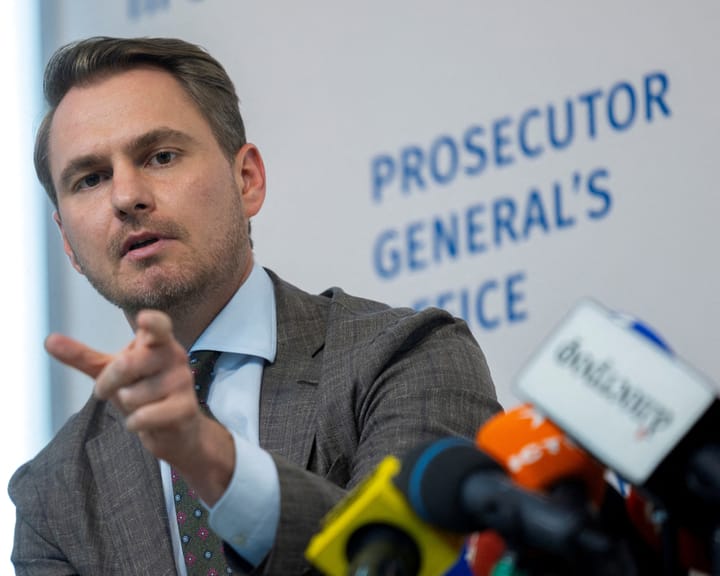
Prosecutor general resigns amid political turmoil in Kyiv during Ukraine war
Ukraine’s prosecutor general Ruslan Kravchenko resigned amid corruption accusations after anti-graft officers searched his offices at the weekend. He called the allegations “completely unsubstantiated” and denied wrongdoing. The National Anti-Corruption Bureau (NABu) and Specialised Anti-Corruption Prosecutor’s Office (Sapo) announced Saturday they uncovered a money-laundering