
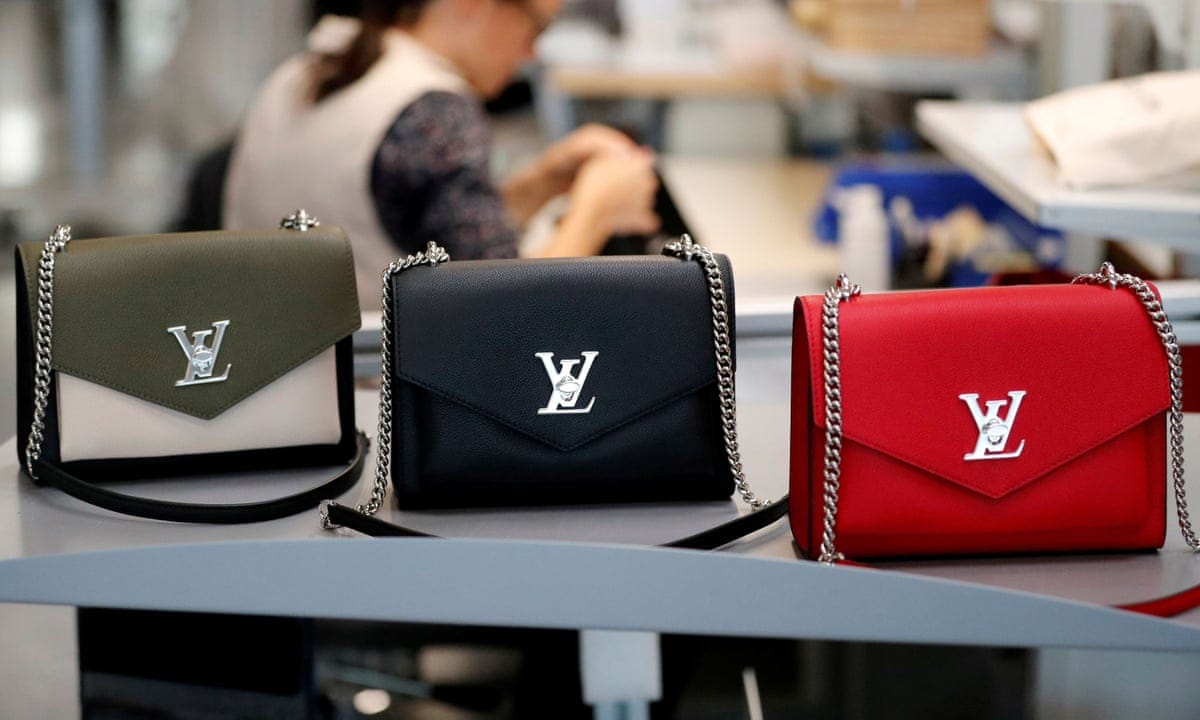
Recent reports indicate a downturn in consumer spending on luxury items such as handbags and sparkling beverages have impacted global high-end companies, raising concerns about continuous weak demand.
LVMH, which includes prominent brands like Louis Vuitton and Dior, experienced a 4.4% decline in stock value this Wednesday morning due to reported decreases in sales across vital Asian markets, not including Japan. The downturn was attributed to reduced interest in Cognac within China as well as a general lull in the fashion, watches, leather goods, perfume, and cosmetic sectors.
Experts observed that affordable luxury items were struggling more than higher-end merchandise, particularly in garments.
Several leading names in luxury retail—Gucci's parent company Kering, Hermès International, Burberry, Coach owner Tapestry Inc., Richemont, and Italian luxury brand Brunello Cucinelli—all saw their market values decrease following the announcement.
The trend of declining sales has been particularly noticeable for less expensive products typically purchased by those aspiring to upscale lifestyles, with rising interest rates amplifying financial pressures on middle-class families.
Despite this setback, LVMH managed a 1% uptick in underlying sales to $20.98 billion (£17.62 billion) over the three months ending June, marking a deceleration from the previous quarter and falling short of analysts' predictions by 3%. The firm reported an 8% decrease in profits from recurring operations, totaling $10.7 billion for that period.
LVMH's CEO, Bernard Arnault, commented: "The first half results reflect LVMH’s enduring strength, supported by its esteemed brands and the dedication of our teams in a climate marked by economic and geopolitical unpredictability."
Despite some challenges, including notable currency fluctuations impacting earnings, LVMH reported growth in Japan due to an influx of Chinese tourists. Additionally, wine and spirits sales declined 5% from the prior quarter's figure—a recovery after a sharp previous decrease. The division cited decreased demand for both champagne within Europe and the US as well as cognac in China, resulting in a 10% drop in global Chinese sales.
Jelena Sokolova of Morningstar remarked that while LVMH's second-quarter performance showed modest growth compared to previous quarters, it lagged behind some competitors such as Burberry and Swatch. However, she noted a shift in consumer purchases from China to Japan due to currency changes and an overall increase of over 8% for Chinese consumers worldwide during the first half of the year.
The luxury goods market observed particularly sluggish sales for watches and jewelry with a decrease of 4%, continuing a downward trend from earlier in the quarter, as well as a significant drop in profits by nearly one-fifth compared to the previous six months. Sokolova attributed these declines partially to poor performance at Tiffany due to lower demand for wedding gifts and decreased purchasing power among Chinese customers.
Despite some areas of concern, such as weaker growth in LVMH's retail segment, there was an increase in sales from Sephora outlets, helping balance the overall picture.
Read next
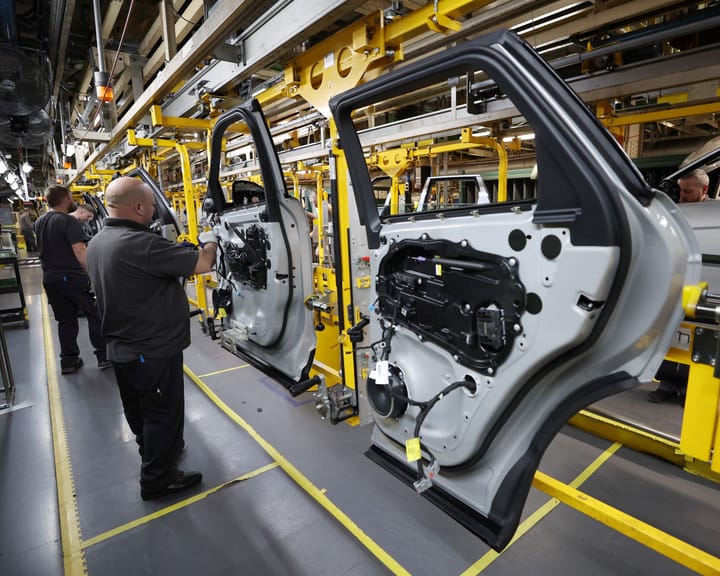
Jaguar Land Rover suppliers voice ‘everything is against us’ amid cutbacks
David Roberts, chair of Coventry-based Evtec, says the outlook for Britain’s automotive sector is grim, with “everything against us.” Evtec is a tier 1 supplier to Jaguar Land Rover, which this week announced 4,000 job cuts over two years despite chancellor John Healey’s attempt to talk

Europe’s fighter jet plans in disarray: what comes next?
When former ECB president and Italian PM Mario Draghi urged Europe to catch up economically with the US and China, defence collaboration was prescribed. No more should each nation build independent boats, tanks or jets; allies should share costs and technologies.
Europe stumbled at the first hurdle. German Chancellor Friedrich
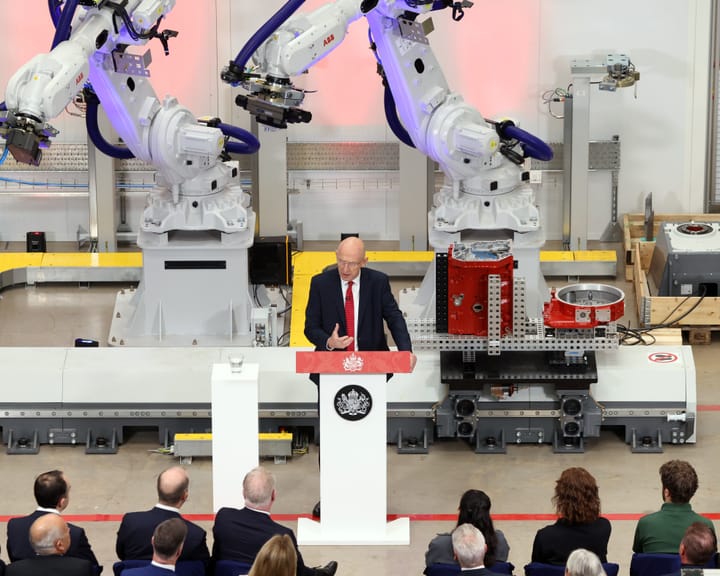
John Healey supports growth but insists Labour must be truthful about spending
John Healey has stated that his primary goal as chancellor will be to boost economic growth, while acknowledging that Labour must be straightforward about controlling public spending at next month's budget.
In his first major address since assuming the role in July, Healey said the leading focus of