

Toward the end of 2024, I was diagnosed with ADHD and autism following a period of heightened stress and low mood. Initially, I believed my career—though seemingly mismatched—in finance was the cause, but I’ve since recognized that I react strongly to various external pressures.
Adjusting to life after the diagnosis has been challenging. At first, I was overjoyed, as many of my lifelong struggles seemed clarified by this inherent neurodivergence. But over time, I’ve found the world even harder to interpret, particularly in social interactions. Some people I’ve shared my diagnosis with have begun treating me differently, almost with excessive care. Before, I might have simply fumbled through certain situations, feeling out of step or disengaged. Now, I’m acutely aware of my distinctness—which is unsettling.
Do you have guidance on maintaining perspective after receiving news that reshapes how you view your life?
Eleanor responds: What does a diagnosis really tell us? You describe symptoms A through F, and the doctor identifies them as condition X. When you ask what condition X is, they explain that its defining feature is experiencing A through F. While this can be validating and freeing, it doesn’t necessarily explain why we are the way we are. Many mental health diagnoses still lack clear causative explanations. Nor does a diagnosis teach us how we perceive the world—we already knew that. The revelation lies in realizing others don’t share those experiences, but medicine relies on categorizing them to provide support, clarity, or adjustments.
Many people feel the same duality after a diagnosis: validated by finally having language for their patterns, yet isolated by the realization that those patterns aren’t common. There’s relief in understanding, but also fear that this is permanent.
You mentioned the sharp awareness of being different, like observing from outside a fishbowl.
One way to respond is to question that separation—different from whom? Many adults discover they’re autistic, have ADHD, or both; many reframe their mental experiences in new ways. There’s more awareness now than ever before. That doesn’t mean you must immerse yourself in neurodivergent communities. But as you meet others, you may find their experiences closer to yours than expected. We can never truly know another’s mind—so the distance we fear may not be as vast as it seems.
Read next
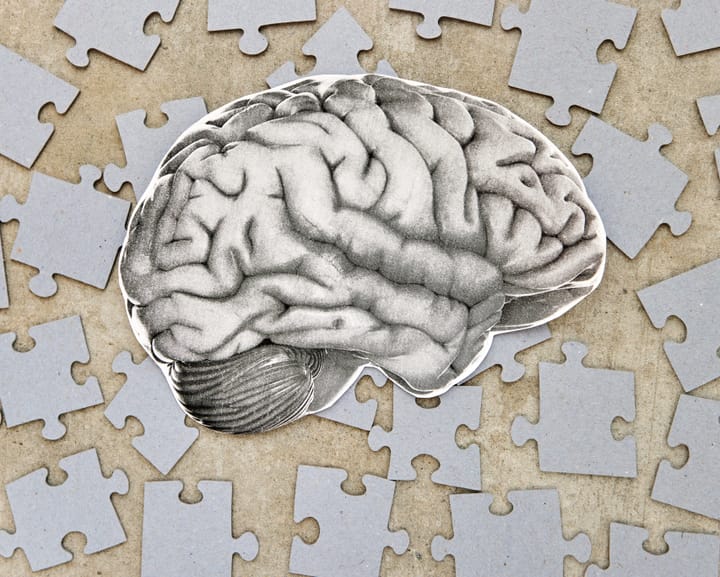
Let Your Mind Roam, Skip Retirement, and Quit Fretting: Unexpected Strategies to Shield Your Brain from Cognitive Decline
How can thinking about brain change rather than cognitive decline alter the way we think and remember?
Dr Norman Swan: There are three things you need to know which are not widely known.
Think cognitive change not cognitive decline: one way people think about our cognitive function is by comparing

Panic Attack on Public Transport Unveiled a Shocking Secret That Transformed My Life
In 2000, the writer had been living in London for just over a decade and working at EMI Records for five years. Having moved to Brixton from Surrey in the late 1980s, they noticed a growing sense of anxiety and claustrophobia, particularly on public transport.
The situation worsened, leading to
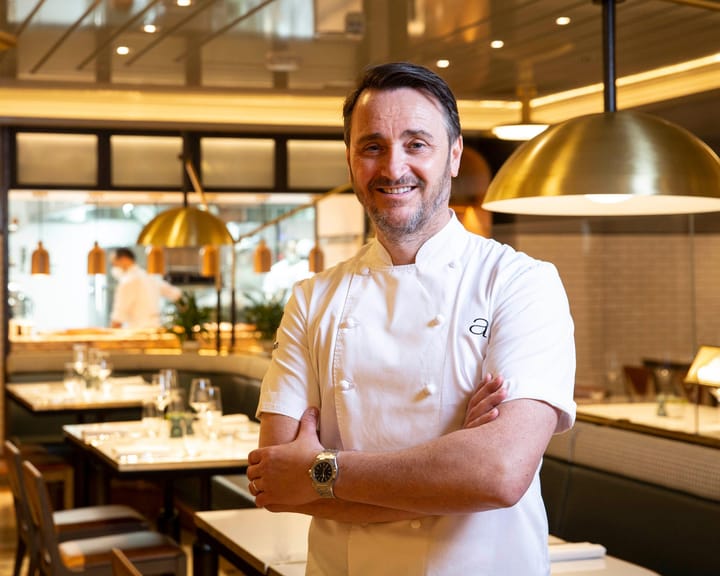
Michelin Chef Opens Overseas Eateries to Counter UK Tax Pressures
A British Michelin‑starred chef says he is opening restaurants abroad to help subsidise his UK venues amid high taxes and a troubled hospitality sector.
Jason Atherton is currently in Forte dei Marmi on the Tuscan coast, where he is readying his newest venture, Maria’s, located in the Principessa