
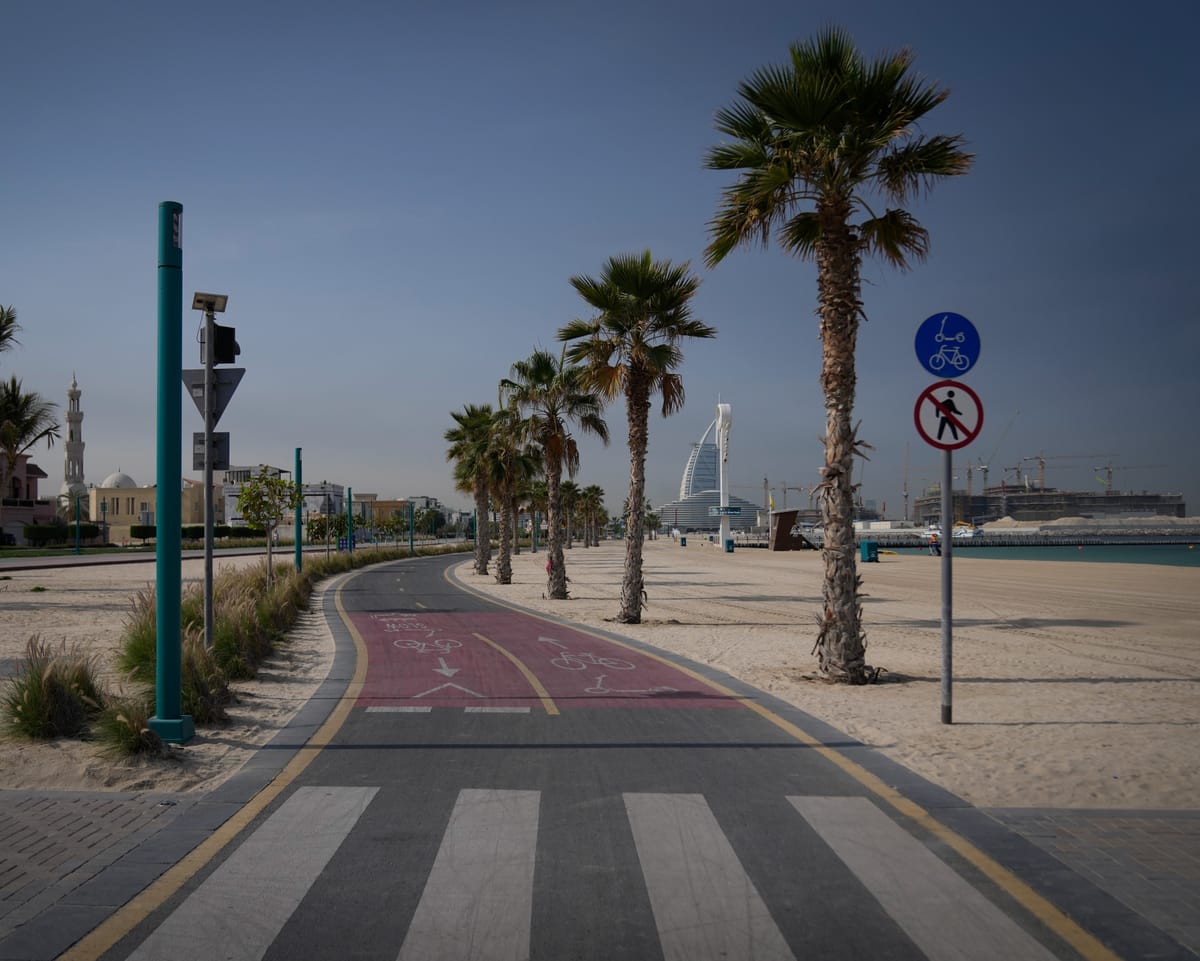
In the playground of the affluent, no one welcomed this conflict. For decades, Dubai presented itself as a haven of pure consumerism, drawing visitors from around the globe.
Now, the United Arab Emirates’ most famous city confronts a fundamental danger, as the clash between the United States, Israel and Iran has unsettled the “Dubai dream” that many expatriates once embraced.
The UAE has absorbed more than two‑thirds of Iran’s attacks; analysts say the nation was targeted partly because of its close military and intelligence ties with Western powers and Dubai’s standing as a hub for international finance and Western leisure.
“The sparkle has certainly faded,” said John Trudinger, a British resident of Dubai for 16 years and headteacher at an Emirati school. He employs over 100 teachers from the UK and noted that most have been “deeply traumatized and struggling to cope” with the sudden onset of war, prompting many to leave permanently.
They join the tens of thousands of residents and visitors who have departed Dubai since the United States and Israel began joint strikes on Iran almost two weeks ago. The city’s large migrant‑worker population largely lacks that option.
Every day, alerts buzz on phones, warning of “potential missile threats” and urging people to find shelter and stay away from windows. More than 90 % of the 1,700 Iranian projectiles have been intercepted by the UAE’s defence systems, but some have hit key sites, including military bases, industrial facilities and Dubai airport, temporarily grounding one of the world’s busiest aviation centres. Strikes on two data centres briefly left residents unable to use mobile devices for digital payments.
The Fairmont hotel, situated on Dubai’s well‑known artificial palm‑shaped island, was also struck hard.
Zain Anwar, a Pakistani taxi driver, saw his vehicle destroyed in the Fairmont attack after he parked it to pray.
“I consider myself the luckiest person alive to have survived,” he said. “But now my family wants me to return home. I no longer want to stay in Dubai; there is no work, we earn nothing since the war began, and I doubt tourism will return. Many taxi drivers like me are thinking of moving to another country. Everyone knows Dubai is finished.”
The economic fallout for the UAE is expected to be severe, especially for Dubai, where tourism contributes roughly $30 billion annually. More than 90 % of its population are expatriates, including one of the world’s highest concentrations of billionaires attracted by the absence of taxes on income, capital gains and inheritance.
Unlike other Gulf emirates, Dubai lacks extensive oil reserves to rely on. Analysts warn that financial losses will be pronounced if the conflict persists and the city’s reputation as a safe haven erodes.
Read next
Tokyo tourist hotspot outlaws short-term rentals amid complaint surge
Shinjuku Ward, Tokyo, has moved to ban short-term rental accommodations in residential areas and near schools and important cultural sites, following a slew of complaints about visitor behaviour. The decision, to be enacted through a local ordinance, marks the latest sign that Japan’s patience with mass tourism is
Canada implements retaliatory US tariffs as trade dispute intensifies
Canada’s retaliatory tariffs on about $20 billion worth of American imports took effect at 12.01am on Tuesday, ranging from 15% to 50% and applying to steel, dairy, appliances, agricultural equipment, pulp and paper, and electronics. The measures, a response to the United States’ 50% tariff on $20 billion

Prosecutor general resigns amid political turmoil in Kyiv during Ukraine war
Ukraine’s prosecutor general Ruslan Kravchenko resigned amid corruption accusations after anti-graft officers searched his offices at the weekend. He called the allegations “completely unsubstantiated” and denied wrongdoing. The National Anti-Corruption Bureau (NABu) and Specialised Anti-Corruption Prosecutor’s Office (Sapo) announced Saturday they uncovered a money-laundering