
The weekend started in the usual way in Dubai. By late Saturday morning, the beach venues on Palm Jumeirah were full. On the waterfront promenade, running groups assembled beneath the towers, recording their warm‑ups before departing in orderly rows.
Social media showed the city seemingly unchanged: clear skies, calm sea and the constant flow of shoppers inside the Dubai Mall. Across the Gulf, the biggest regional conflict since the 2003 Iraq invasion was escalating.
As US and Israeli missiles were launched and airspace was restricted in parts of the Middle East, Dubai continued its deliberately preserved routine.
For years, the city has been portrayed as a haven for investment and stability, a zone of order and predictability in a turbulent region, seemingly shielded from the political upheavals affecting neighboring states. That perception lasted until sunset.
Soon after dark, the first Iranian drones and missiles reached the Gulf states in retaliation. Air‑defence systems in the United Arab Emirates, Qatar, Saudi Arabia and Bahrain were triggered, with interceptors crossing the night sky.
A number of visitors reported being taken by surprise. No air‑raid sirens sounded, and while residents with local numbers started receiving official alerts, others were initially uncertain about the situation.
“At first we thought it was fireworks,” said Natalia Veremeenko, who was staying near the Fairmont The Palm, whose entrance caught fire after what appeared to be a drone strike.
Veremeenko first assumed the fire was an isolated event and, within minutes, the streets filled again. “The cleanup was swift,” she said.
People continued to gather around the fountains outside the Dubai Mall for the nightly light and water display. However, the festive atmosphere did not last.
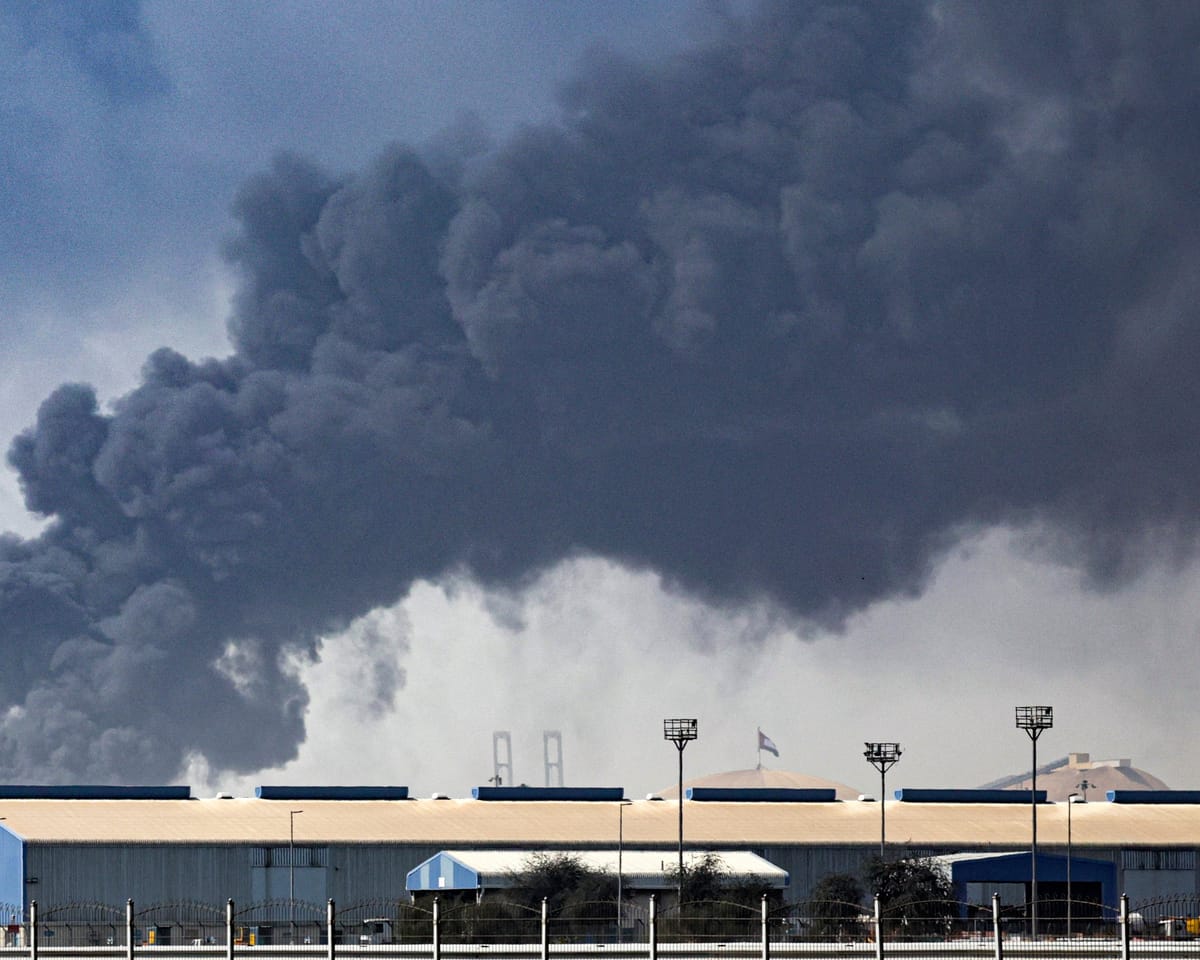
Later that evening, fires and dense smoke were reported at Dubai and Abu Dhabi airports after drone debris hit the facilities, killing one person and injuring roughly a dozen, according to local officials.
Thick columns of smoke rose from the Jebel Ali port area in Dubai – the world’s ninth‑busiest port and the busiest in the Middle East – where a berth caught fire. The sail‑shaped Burj Al Arab was also hit by falling drone debris, causing a brief fire.
It remains unclear whether Iran was specifically targeting hotels and other UAE sites rather than the US military facilities it had pledged to strike.
For the UAE, the attacks marked a rare rupture in the reputation Gulf states have cultivated for a business‑friendly environment. The overwhelming majority of Dubai’s residents are foreign nationals, drawn by the city’s promise of safety and low taxes.
By nightfall, many hotels were moving guests from exposed rooms and terraces into underground shelters.
Read next
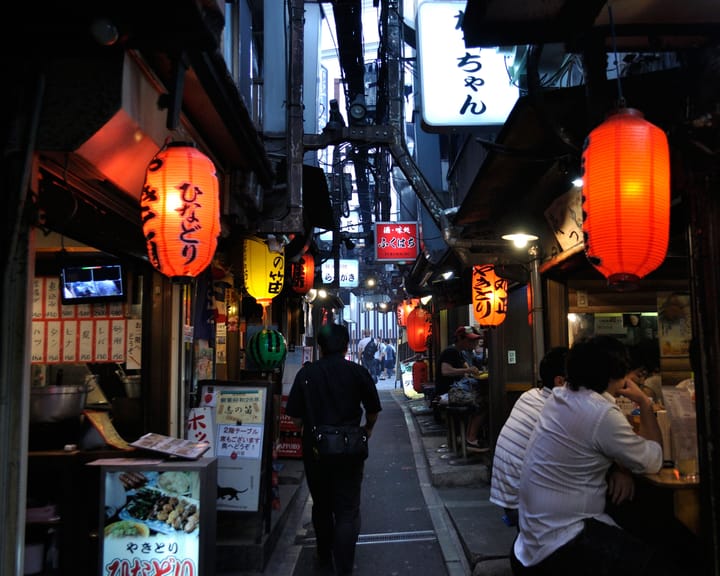
Tokyo tourist hotspot outlaws short-term rentals amid complaint surge
Shinjuku Ward, Tokyo, has moved to ban short-term rental accommodations in residential areas and near schools and important cultural sites, following a slew of complaints about visitor behaviour. The decision, to be enacted through a local ordinance, marks the latest sign that Japan’s patience with mass tourism is
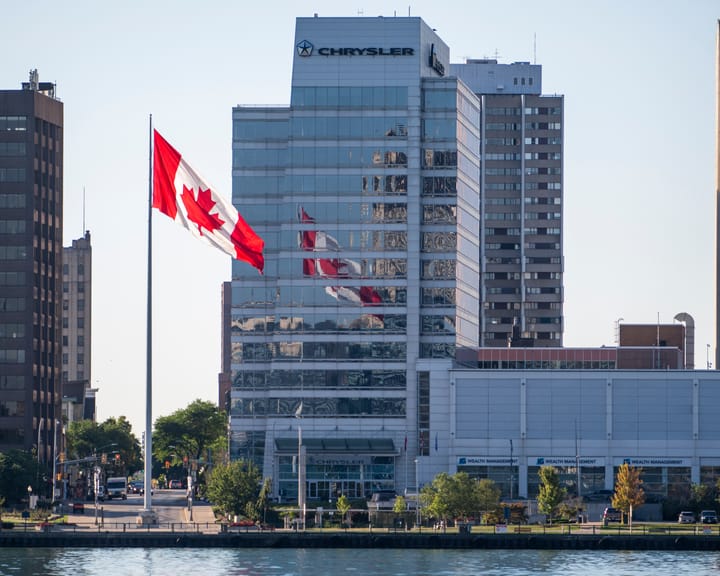
Canada implements retaliatory US tariffs as trade dispute intensifies
Canada’s retaliatory tariffs on about $20 billion worth of American imports took effect at 12.01am on Tuesday, ranging from 15% to 50% and applying to steel, dairy, appliances, agricultural equipment, pulp and paper, and electronics. The measures, a response to the United States’ 50% tariff on $20 billion
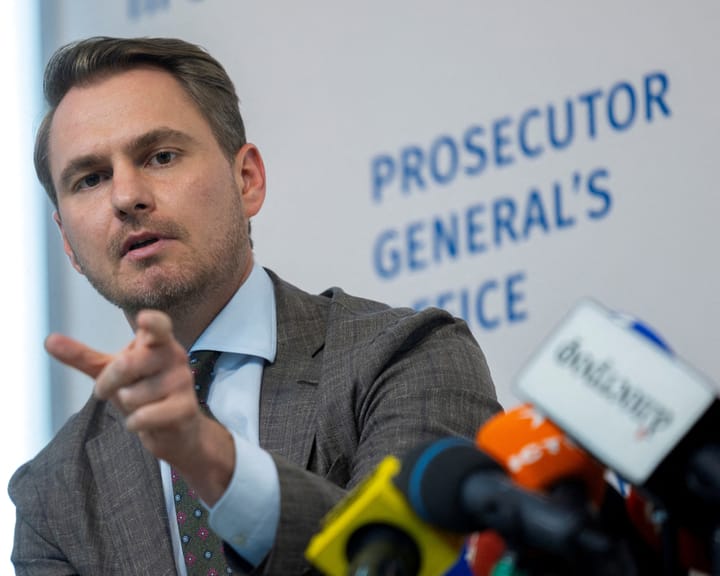
Prosecutor general resigns amid political turmoil in Kyiv during Ukraine war
Ukraine’s prosecutor general Ruslan Kravchenko resigned amid corruption accusations after anti-graft officers searched his offices at the weekend. He called the allegations “completely unsubstantiated” and denied wrongdoing. The National Anti-Corruption Bureau (NABu) and Specialised Anti-Corruption Prosecutor’s Office (Sapo) announced Saturday they uncovered a money-laundering