
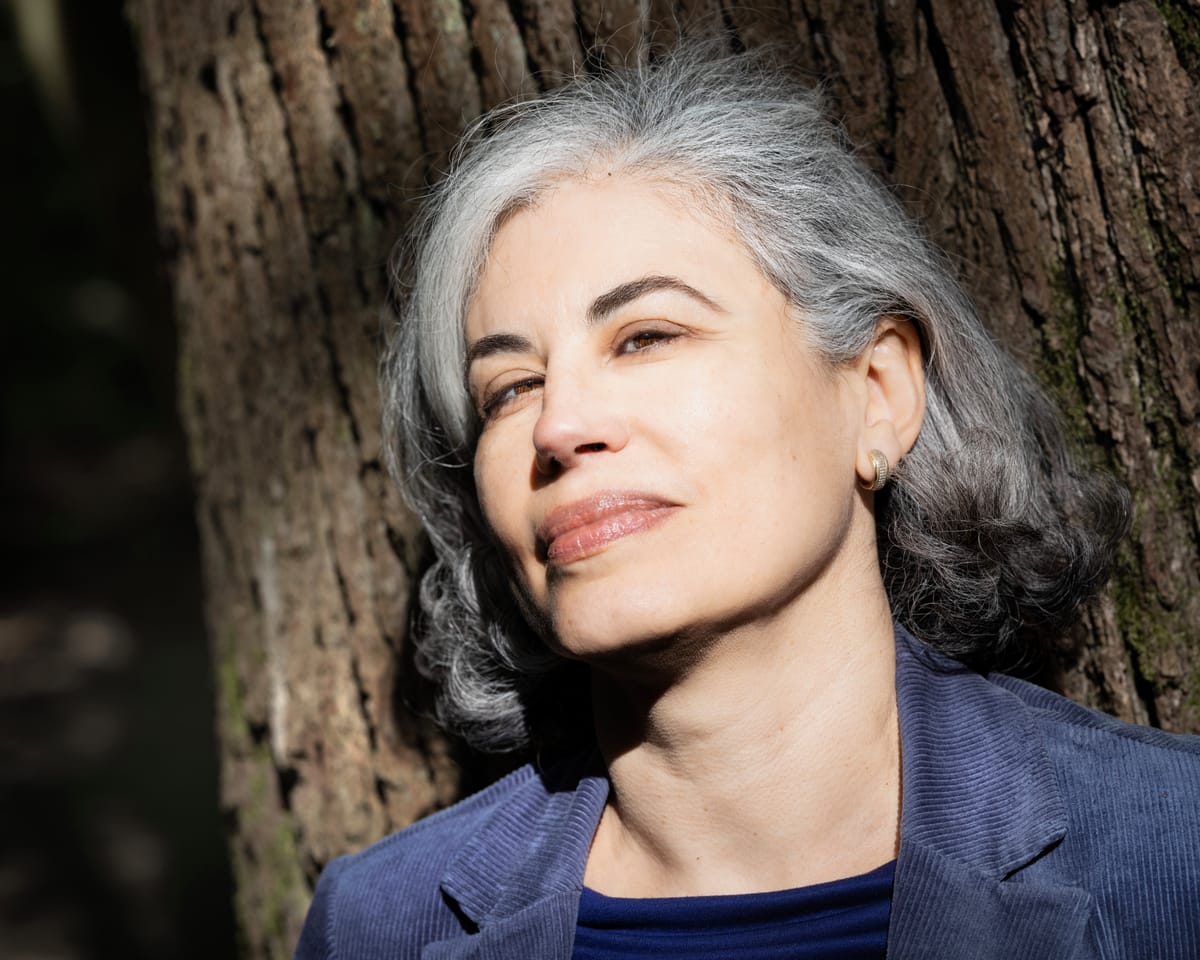
Natasha Walter is mid‑sentence about how she became politically radicalised when a young woman walks up to the café table. She tells the two middle‑aged women that they look like “the most trustworthy people here,” asking if they could mind her baby while she gets a coffee. Like the responsible citizen she is, Walter keeps her eyes on the pushchair parked by the café steps for the next five minutes, although all that is visible of the child is a tiny swinging foot. “Sorry, where were we?” she asks, returning to the topic. She is the groundbreaking feminist writer who famously argued in her 1998 book *The New Feminism* that Margaret Thatcher had opened doors for women, and she is now explaining why she no longer believes it is possible to be right‑wing and a feminist, as figures such as Theresa May or Amber Rudd claim to be.
“I can’t support any woman who reaches power if the system leaves too many women in the shadows, condemning many to poverty or worse,” she says, her gaze still fixed on the baby we are briefly watching. “That isn’t a feminist system, and I don’t think you can call yourself a feminist if you prop it up.” She adds that this isn’t her kind of feminism. Her younger self would have thought her too uncompromising, but something in her has hardened as she confronts a world threatened by the rise of far‑right authoritarianism on one side and a climate emergency on the other. “In the past I wanted to be a broad church, I thought any woman could be a feminist, but now I really feel … maybe I’ve been radicalised.”
We meet on this sunny spring morning at the eco‑café in Queen’s Wood, north London, where Walter used to bring her own (now adult) children, to talk about her new book *Feminism for a World on Fire*. Originally sparked by the climate crisis, the book argues that women will bear the brunt of future fires and floods, yet mainstream Western feminism has not sufficiently connected those dots (though she notes many individual activists have made the link for years). “There’s a line in the book that environmentalism without feminism is the patriarchy in the forest, but feminism without environmentalism is the women’s centre on a dead planet,” she says bluntly. “We can’t pretend they are separate.”
The book also expresses her frustration with parts of the women’s movement that she sees as overly corporate, slick and focused on empowering individuals to climb the ladder rather than on broad social change. “Mainstream feminism has become tied to a narrow individualism – ‘you go, girl’, give zero fucks, your ambition and aspiration are all‑important,” she observes. “I wanted to find, or rediscover, a feminism that works better in this crisis context.”
Read next

Let Your Mind Roam, Skip Retirement, and Quit Fretting: Unexpected Strategies to Shield Your Brain from Cognitive Decline
How can thinking about brain change rather than cognitive decline alter the way we think and remember?
Dr Norman Swan: There are three things you need to know which are not widely known.
Think cognitive change not cognitive decline: one way people think about our cognitive function is by comparing
Panic Attack on Public Transport Unveiled a Shocking Secret That Transformed My Life
In 2000, the writer had been living in London for just over a decade and working at EMI Records for five years. Having moved to Brixton from Surrey in the late 1980s, they noticed a growing sense of anxiety and claustrophobia, particularly on public transport.
The situation worsened, leading to
Michelin Chef Opens Overseas Eateries to Counter UK Tax Pressures
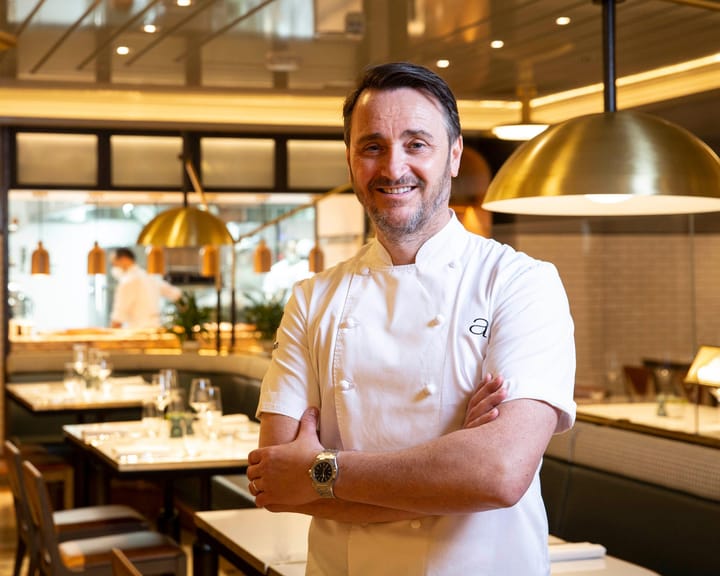
A British Michelin‑starred chef says he is opening restaurants abroad to help subsidise his UK venues amid high taxes and a troubled hospitality sector.
Jason Atherton is currently in Forte dei Marmi on the Tuscan coast, where he is readying his newest venture, Maria’s, located in the Principessa