
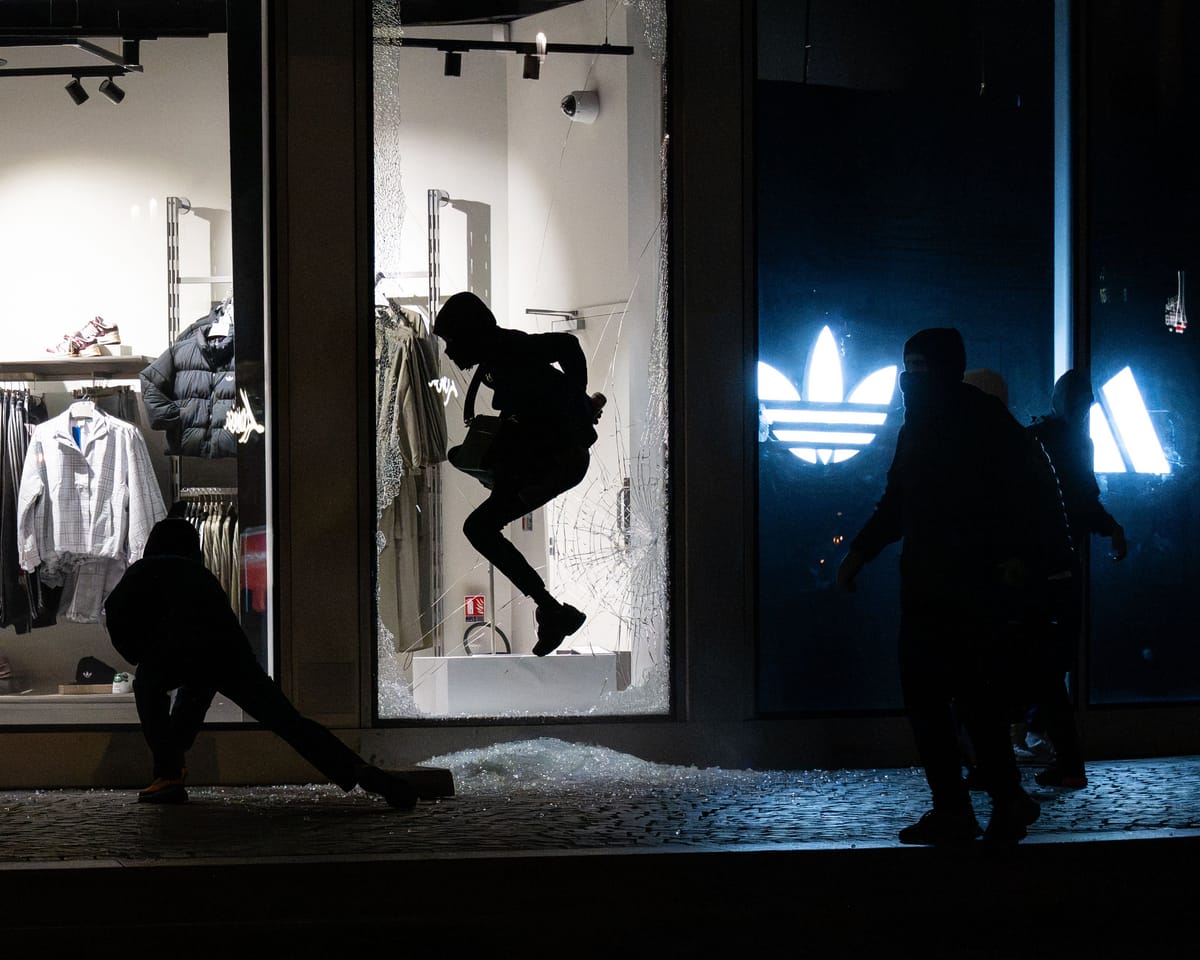
In the early hours of Monday, two motorbikes carrying passengers each stopped at a traffic light in a backstreet near Paris's bustling rue de Rivoli. One rider remarked to the other about targeting areas with high foot traffic and elaborate shop windows. Shortly thereafter, ten men wearing ski balaclavas emerged from the surrounding streets, followed by a police van.
This incident occurred just after President Emmanuel Macron's speech on Sunday evening, in which he expressed concern over the destruction occurring in the streets. Despite his warnings, looters targeted central Paris shops for a second consecutive night. Near Les Halles shopping centre, groups attempted to break windows and steal goods, while others entered an electronics store in Belleville.
A local resident, aged 73, described the chaotic scene: police chased looters, while others set fires to bins and bicycles. She noted the surreal nature of the situation, with locals and looters coexisting in close proximity. She commented on the broader societal issues, suggesting a focus on consumerism has led to neglect in education and exacerbated inequalities.
An optician's shop on rue Beaubourg suffered significant damage, with its window smashed and display emptied. The looting began on Saturday, with three distinct groups of activity: peaceful demonstrators advocating for better funding, individuals clashing with police and damaging property, and looters targeting retail establishments.
The police seemed unprepared for a second night of unrest in central Paris. The identities of the looters varied, including teenagers struggling to carry stolen goods and adult men in masks. Justice Minister Gérald Darmanin reported that several individuals arrested had prior convictions.
In areas where police were absent on Saturday, numerous people were observed fleeing with stolen items. Come Sunday morning, some streets were littered with debris from the night's events. Shopkeepers expressed concern about potential further thefts, with some businesses taking preemptive measures to secure their inventory.
By Monday morning, police at Place de la République had used tear gas to disperse crowds. The night before, demonstrators had clashed with police, hurling objects and chanting slogans. Signs of unrest remained visible, including graffiti with anti-establishment messages and damaged vehicles.
A charity worker described the scene near Place de la République as akin to a war zone, expressing concern over the escalating violence. A local digital effects worker lamented the damage to a favored café, noting the increased scale of unrest compared to past protests.
Read next
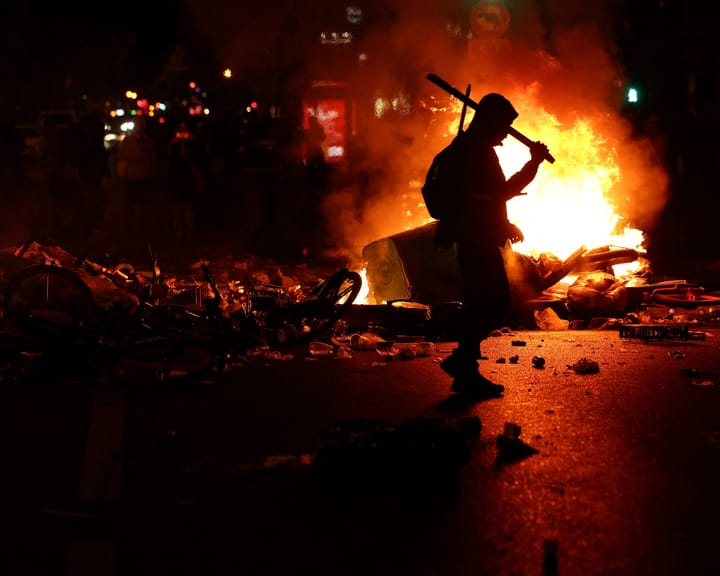
Interior Minister Admits French Police Lost Control Amid Riots
France’s Prime Minister has directed regional authorities to consider implementing partial curfews in certain cities following an admission by the government that police lost control during violent protests over the weekend. Sébastien Lecornu stated after an emergency cabinet meeting that he was determined to restore public order and suggested
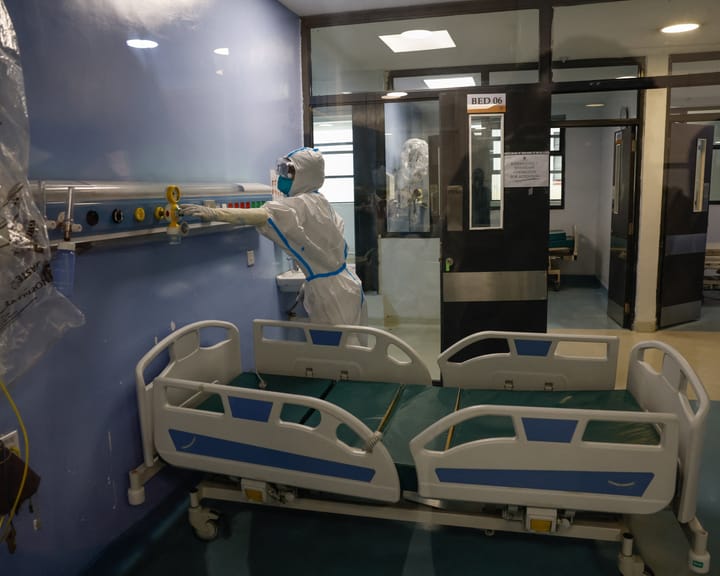
Kenya's Latest Ebola Case Exposes Gaps in U.S. Health Services Following Trump's Budget Cuts
In Kenya, a third individual has tested positive for Bundibugyo ebolavirus, marking the nation's first cluster of Ebola cases. This development occurs as the second-largest Ebola outbreak in history continues to impact the region, resulting in over 4,300 deaths and more than 9,000 infections.
The
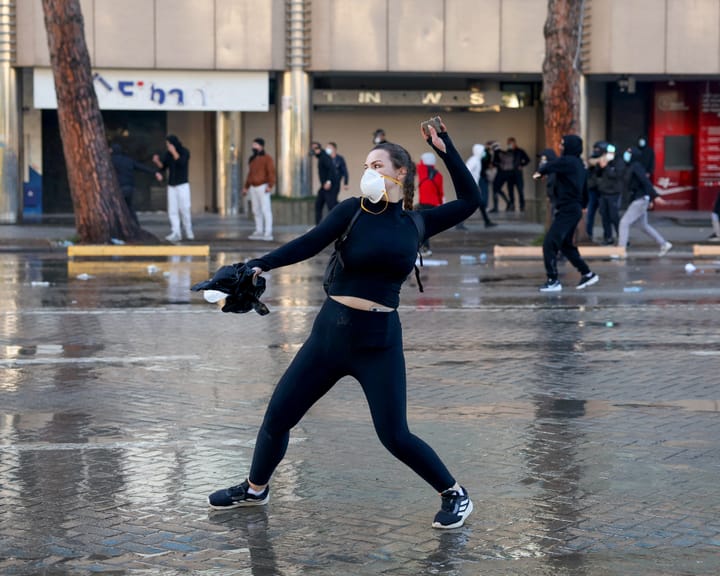
Albania Criticized for Hastily Approving Trump-Linked Resort in Once-Protected Area
Albania Faces Protests Over Controversial Resort Project
Albania is witnessing escalating protests due to the government's push to fast-track a luxury resort project linked to U.S. President Trump's family, despite widespread opposition. The project, championed by the prime minister Edi Rama, has sparked significant